


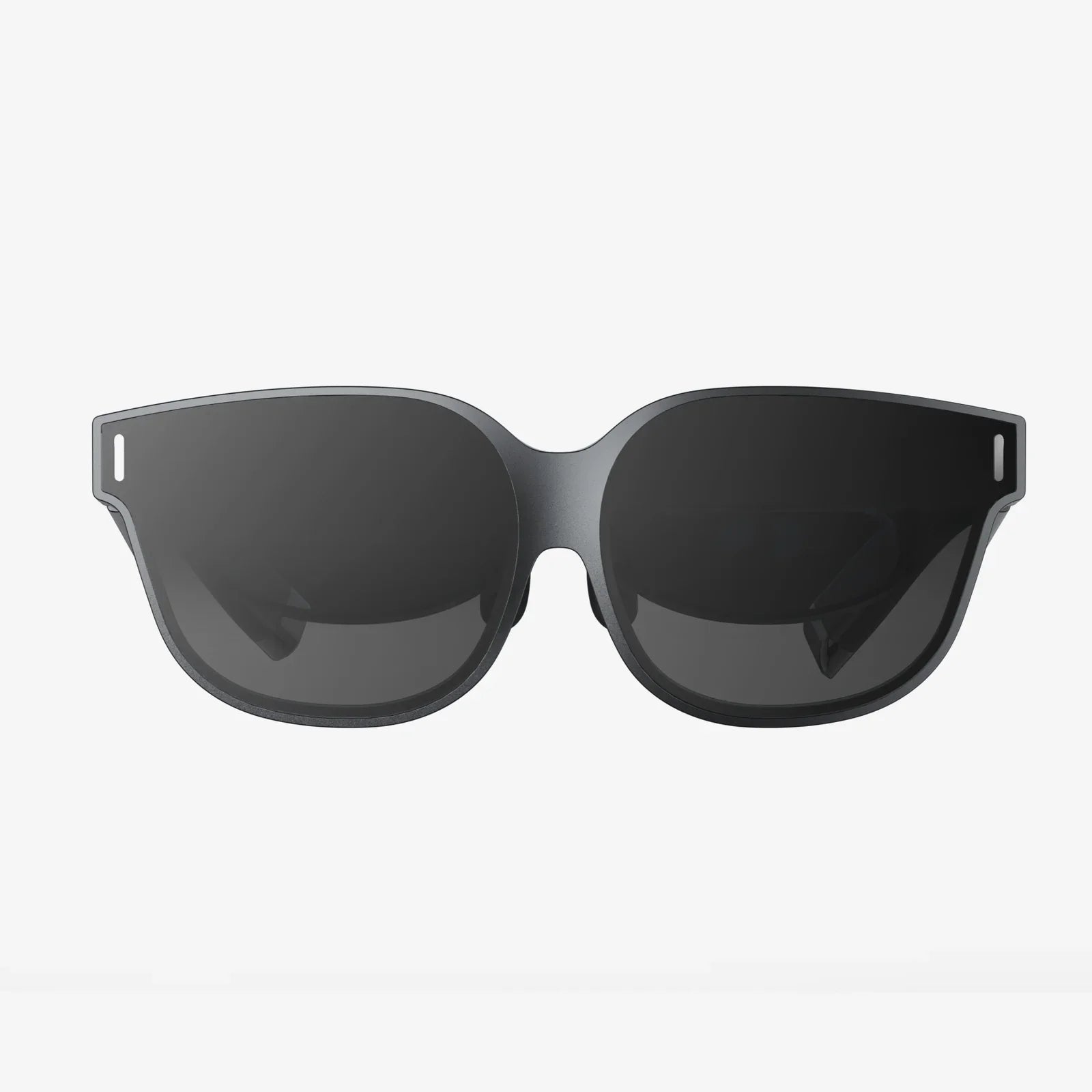
Imagine stepping into your living room and seeing a colossal dragon perched on your sofa, or defending your backyard from an alien invasion visible only through your eyewear. This is no longer the stuff of science fiction; it's the breathtaking promise held within the best AR gaming glasses. This technology represents a seismic shift in how we interact with digital worlds, seamlessly layering them onto our own. For the discerning gamer, selecting the right pair isn't just an upgrade; it's about gaining a key to a new dimension of play, a portal that unlocks experiences previously confined to our wildest imaginations. The journey to find the perfect pair is an adventure in itself, one that delves into the very cutting edge of consumer technology.
The Architectural Marvels Behind the Magic
At the heart of every high-quality augmented reality headset lies a sophisticated symphony of components working in perfect harmony. Understanding this architecture is crucial to appreciating what sets the best devices apart from mere novelties.
Optical Engine: The Window to Another World
The most critical component is the optical system. Premium devices utilize advanced waveguide technology or free-form optics to project digital images directly into the user's eyes. These systems are engineering marvels, designed to be incredibly thin and transparent while maintaining brilliant image quality, high contrast, and vibrant colors. The field of view (FOV) is a paramount specification; a wider FOV creates a more immersive experience, making the digital elements feel vast and present rather than confined to a small, floating window. The best systems achieve a wide FOV without sacrificing resolution or creating a bulky, obtrusive form factor.
Sensory Suite: Mapping the Real World
To convincingly anchor digital content in your environment, the glasses must understand the world around them. This is accomplished through a powerful array of sensors. High-resolution cameras perform simultaneous localization and mapping (SLAM), creating a real-time 3D map of the room. Depth sensors measure distances with precision, ensuring a virtual character can accurately sit on your physical coffee table. Inertial measurement units (IMUs) track the subtle movements of your head with ultra-low latency, preventing the disorienting lag that can cause motion sickness. This fusion of sensor data creates a stable, believable mixed reality where the virtual and real coexist.
Processing Power: The Brain of the Operation
All this data requires immense computational power. While some models are tethered to a powerful external device, the most advanced standalone units pack a full system-on-a-chip (SoC) into the frame. This integrated computer handles everything from environmental tracking and rendering complex graphics to running the operating system and managing connectivity. This on-board processing is what enables true freedom of movement, untethering the player from a computer or console and allowing the gaming experience to extend anywhere.
Defining the Hallmarks of Excellence
When evaluating the vast and growing market, several key features separate the exceptional from the ordinary. These are the criteria that serious gamers must prioritize.
Visual Fidelity and Immersion
This is non-negotiable. The display must be high-resolution to prevent a distracting "screen door effect" and must offer exceptional brightness to remain visible even in well-lit conditions. Color accuracy and contrast ratio are vital for creating vivid, believable worlds. Furthermore, the ability to comfortably support different pupillary distances (IPD) ensures a sharp image for a wide range of users. A blurry or dim display instantly shatters the illusion of augmented reality.
Ergonomics and All-Day Comfort
The best technology is useless if it's uncomfortable to wear. Premium materials, thoughtful weight distribution, and customizable fit are essential. Since gaming sessions can last for hours, the device must feel like a natural extension of the body, not a heavy burden on the bridge of the nose. Swappable nose pads and flexible, adjustable temples allow for a perfect fit for any face shape. Lightweight polymers and strategic placement of the battery pack are hallmarks of a well-designed product.
Intuitive Interaction and Control
How you interact with the virtual world is just as important as how you see it. The most immersive systems employ a multi-modal approach. High-fidelity hand tracking allows users to reach out and manipulate digital objects with their bare hands, using natural gestures. Voice commands offer a hands-free alternative for issuing commands or navigating menus. For traditional gameplay that requires precision, support for dedicated motion controllers is often provided. The seamless blend of these input methods creates a deeply intuitive and magical user experience.
Spatial Audio and Sonic Precision
Immersive audio is half the experience. High-quality built-in spatial audio speakers that deliver directional sound are crucial. You should be able to hear the footsteps of an opponent creeping up behind you in the virtual space, corresponding to their actual location in your room. Importantly, these speakers should be designed to provide privacy without complete isolation, allowing gamers to remain aware of their real-world surroundings—a critical safety feature. For private listening, seamless Bluetooth connectivity to headphones is a standard expectation.
A Glimpse into the Future of Play
The applications for this technology extend far beyond simple novelty games. We are standing on the precipice of a new era in interactive entertainment.
The Rise of Persistent AR Worlds
Future games will feature persistent digital worlds mapped onto our own. Imagine a game where your local park is a fantastical forest, and that same world exists for every player who visits. You could collaborate with friends to build a fortress on the empty lot down the street, and it would remain there for others to see and interact with. This creates a shared, global game board grounded in physical geography, encouraging exploration and social interaction on an unprecedented scale.
Fitness and Lifestyle Gaming Revolution
This technology is poised to utterly transform fitness gaming. Instead of running on a stationary treadmill watching a screen, you could be jogging through your neighborhood while completing objectives, dodging virtual obstacles on the sidewalk, and being chased by mythical creatures. This genre, often called "exergaming," will become a powerful motivator for physical activity, turning the entire world into a dynamic and engaging gym.
Hyper-Realistic Tabletop and Strategy Games
Board games and miniature wargaming will be revolutionized. Players could see their table transform into a fully animated battlefield, with miniatures coming to life, casting spells with spectacular visual effects, and moving with realistic animations, all while the physical pieces remain on the board for tactile interaction. This merges the best aspects of physical and digital play, creating a social and visually stunning centerpiece for game nights.
Navigating the Current Landscape
For the eager early adopter, the market offers a spectrum of experiences. Some devices prioritize raw power and immersive experiences, often requiring a tether to a gaming computer to render incredibly dense and complex virtual scenery. These are the choice for the hardcore enthusiast who wants the absolute highest fidelity. On the other end are sleek, self-contained glasses that prioritize mobility, social acceptability, and all-day usability. They may trade some graphical prowess for the freedom to game anywhere, anytime. The right choice depends entirely on the user's priority: maximum immersion or maximum convenience. The most exciting trend is the rapid convergence of these two ideals into a single, powerful, and wireless form factor.
Beyond the Game: A Tool for Life
It's important to recognize that the value of premium augmented reality eyewear extends far beyond gaming. The same device that lets you slay dragons can also overlay a recipe in your kitchen, provide turn-by-step navigation superimposed on the street in front of you, translate foreign language signs in real-time, or display a massive virtual screen for productivity in place of a physical monitor. This multifunctionality adds tremendous value to the investment, transforming the glasses from a specialized gaming peripheral into a versatile companion for work, travel, and daily life.
The quest for the perfect pair of AR gaming glasses is ultimately a search for a new lens on reality itself. It's about choosing a device that doesn't just display games but actively transforms your perception of the world around you, filling it with wonder, adventure, and infinite possibility. The technology is here, it's real, and it's advancing at a breathtaking pace. The line between player and protagonist is blurring, and the world itself is becoming the ultimate playground. Your living room is waiting to be transformed, your city is ripe for exploration, and the next great adventure is hiding in plain sight, just waiting for you to put on the glasses and see it.
Share:
Spatial Display Augmented Reality: The Invisible Interface Reshaping Our World
Envision AI Glasses The Dawn of a New Sensory Reality and Its Profound Implications