


- by wangfred
Best AR Headset for iPhone: Your Ultimate Guide to Unlocking a New Reality
- by wangfred
Imagine holding your iPhone up and watching digital dinosaurs roam your local park, or seeing navigation arrows painted directly onto the street in front of you. This isn't science fiction; it's the promise of augmented reality, and the right AR headset for your iPhone is the key to unlocking it. The quest for the perfect device is more than just a search for hardware; it's a journey towards seamlessly blending your digital and physical lives into one immersive, interactive experience.
The journey to today's sophisticated AR headsets began not with specialized hardware, but with the powerful computer already in our pockets. Apple's introduction of ARKit in 2017 was a watershed moment, transforming the iPhone into a capable AR portal. Initially, experiences were simple—placing a virtual lamp on your floor or playing a basic tabletop game. Users interacted with this new dimension by awkwardly holding up their phones, a method now often called "the zombie walk."
This was the first generation: smartphone-dependent AR. It proved the concept and showcased the potential, but it was inherently limited. The experience was confined to the small screen, your arm would get tired, and it was a solitary activity. The natural next step was to free the technology from the hand, leading to the development of headsets and glasses. These devices aim to project digital content directly into your field of view, hands-free, creating a truly immersive and persistent overlay on the real world. The best AR headset for an iPhone today acts as a high-tech visor, leveraging the phone's immense processing power, stunning display, and advanced camera system to create magic.
The term "best" is highly subjective and entirely dependent on the individual user's needs, budget, and expectations. There is no one-size-fits-all device in the current market. For some, "best" means the most advanced technological showcase, regardless of price. For others, it means the most practical, comfortable, and affordable entry into AR. Understanding your own priorities is the first step in making the right choice.
When evaluating any AR headset designed to work with your iPhone, several technical and ergonomic factors demand your attention. These features directly impact the quality of the experience and the value you receive.
This is arguably the most important aspect. The headset's displays are your window into the augmented world. Key metrics include:
The magic of AR is its ability to understand and interact with the real world. This is where your iPhone's capabilities are put to the test.
A headset can have the best technology in the world, but if it's uncomfortable to wear, it will gather dust.
The hardware is nothing without a robust software platform. Apple's ecosystem provides a powerful foundation.
The market for dedicated AR headsets is still in its relative infancy, but it is rapidly evolving. Current options generally fall into two categories, each with its own philosophy on how to deliver augmented reality.
These devices prioritize a fully immersive experience. They often resemble VR headsets but are focused on blending the real and virtual worlds. They typically use high-resolution displays and advanced video see-through technology, powered by the iPhone's camera feed. This approach allows for incredibly vivid and complex digital overlays but can sometimes feel less natural than looking directly at the world. They are fantastic for gaming, detailed 3D design, and immersive media consumption, but their larger form factor makes them less suited for all-day wear in social situations.
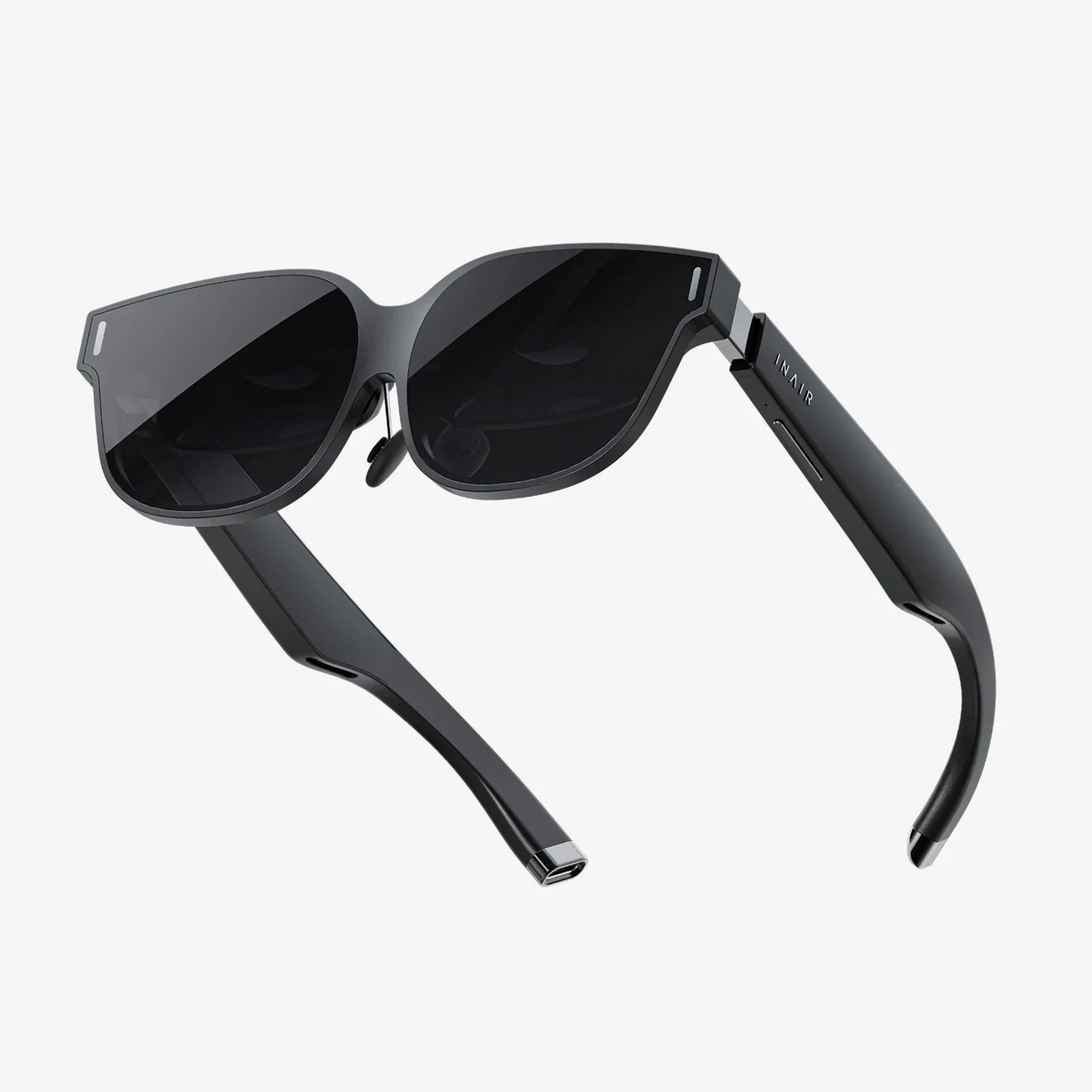
This category aims for minimalism and social acceptability. These devices look like a slightly bulkier pair of sunglasses or safety glasses and use optical see-through technology. They are designed for all-day use, providing information like notifications, navigation, and basic data overlays in a hands-free manner. The trade-off is a smaller field of view and less complex graphical capabilities compared to their visor-style counterparts. They excel as a companion device for productivity and information access rather than for full immersion.
The technology is advancing at a breakneck pace. The future of AR headsets for iPhone users points towards even greater integration, miniaturization, and intelligence. We are moving towards devices that are indistinguishable from regular eyeglasses, with ultra-high-resolution displays, all-day battery life, and on-device AI that understands context and intent. The ultimate goal is a device that feels like a natural extension of your perception, not a piece of technology you put on.
With all these factors in mind, the path to choosing the best AR headset for your iPhone becomes clearer. It's not about finding the objectively "best" device on a spec sheet, but the one that is best for you.
Your iPhone is already a portal to another dimension, hiding in plain sight. The right AR headset doesn't add new magic; it simply opens the door wider, letting you step through and interact with it in a way that feels natural, intuitive, and breathtakingly real. The future of computing isn't on your desk or in your hand—it's being layered directly onto the world you see every day.