


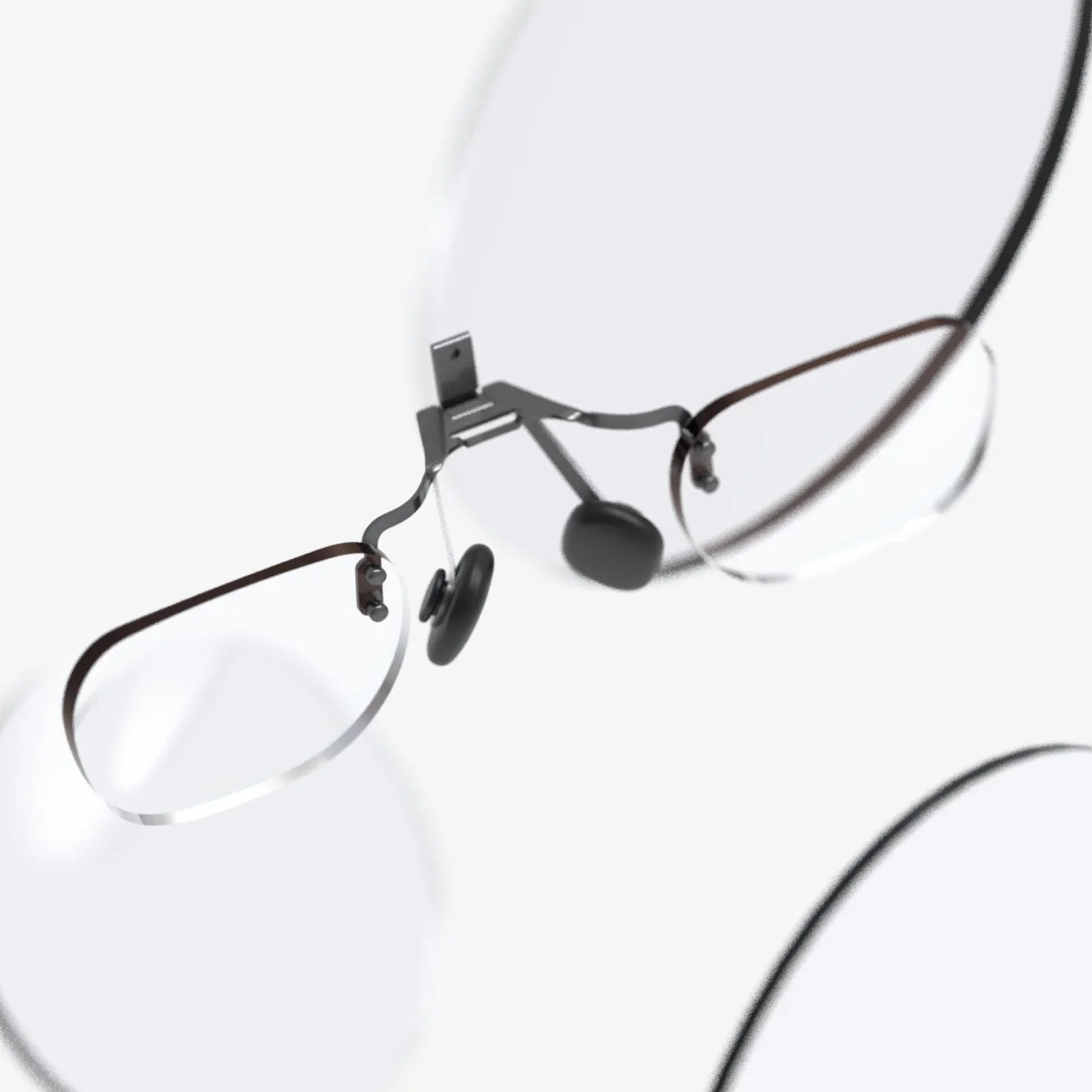
best ar headsets for immersive gaming 2025 are reshaping how players step into their favorite worlds, turning living rooms into battle arenas, racing tracks, and fantasy realms. If you have ever imagined enemies flanking you from behind your sofa or holographic teammates standing right next to your desk, the latest wave of AR gaming devices is built for you. But with so many technical terms and fast-evolving features, picking the right headset can feel confusing, especially when every device promises “immersion” and “next-gen gameplay.” This guide cuts through the noise and shows you exactly what to look for so your next purchase feels like a genuine level-up, not an expensive gamble.
Augmented reality (AR) headsets overlay digital elements onto the real world, allowing you to see your surroundings while interacting with virtual objects, characters, and interfaces. Unlike traditional VR, which completely blocks out your environment, AR blends physical and digital spaces, creating a unique type of immersion that is perfect for gaming in 2025: social, spatial, and deeply interactive. To understand which devices truly count among the best AR headsets for immersive gaming in 2025, you need to look beyond marketing buzzwords and focus on what actually affects your in-game experience.
What Makes AR Gaming Truly Immersive in 2025?
Immersion in AR gaming is not just about high-resolution visuals. It is the result of multiple factors working together seamlessly: accurate tracking, low latency, natural interaction, and comfortable wearability. When these elements are well-balanced, your brain starts accepting digital content as part of your real environment.
Key pillars of immersion include:
- Visual fidelity: Clear, bright, and stable images that stay locked to the real world.
- Spatial accuracy: Digital objects that remain fixed in space, even as you move around.
- Low latency: Minimal delay between your movement and the headset’s response.
- Natural input: Hand tracking, controllers, or voice commands that feel intuitive.
- Comfort: A headset you can wear for long sessions without fatigue.
- Content depth: A strong library of games designed specifically for AR.
When evaluating the best AR headsets for immersive gaming 2025, you should treat these pillars as your checklist. If a device fails badly in even one of these areas, the magic of AR quickly breaks down.
Core Display Technologies You Need to Understand
The display is the heart of any AR headset. In 2025, most gaming-focused AR headsets rely on one of several optical approaches, each with its own strengths and trade-offs.
Waveguide Displays
Waveguide systems use transparent lenses that channel light from tiny projectors into your eyes. They are popular because they are relatively slim and light, making headsets more comfortable and stylish. For gaming, the main advantages are:
- Lightweight design: Better for long sessions.
- Good transparency: You can see the real world clearly.
- Decent field of view: Though often narrower than VR.
However, waveguide-based AR headsets can sometimes struggle with brightness in very sunny environments, and the field of view (FOV) may still feel limited for players used to wide VR displays.
Birdbath and Prism Optics
Some AR headsets use semi-reflective mirrors or prismatic optics that reflect virtual images into your eyes while letting you see the real world. These designs can offer:
- Brighter visuals: Good for indoor gaming with controlled lighting.
- Potentially wider FOV: More immersive for fast-paced action games.
The trade-off is that these designs can be bulkier, and the transparency of the real-world view might not feel as natural as with waveguides.
Key Display Metrics for AR Gaming
When comparing displays, pay attention to:
- Resolution per eye: Higher resolution reduces pixelation and makes text readable.
- Refresh rate: 90 Hz or higher is ideal for smooth motion and reduced motion sickness.
- Field of view: A wider FOV makes digital objects feel more present and less like floating windows.
- Brightness and contrast: Important for visibility in different lighting conditions.
The best AR headsets for immersive gaming 2025 will balance these metrics instead of maxing out just one. For example, a slightly lower resolution with a wider FOV can often feel more immersive than ultra-sharp visuals in a narrow viewing window.
Tracking and Spatial Mapping: The Backbone of AR Gameplay
Tracking determines how accurately the headset understands your position, head rotation, and sometimes your hands or controllers. In AR, it also involves mapping your environment so digital objects can sit on real surfaces, hide behind furniture, or react to walls and obstacles.
Inside-Out Tracking
Most modern AR headsets use inside-out tracking, where cameras on the headset track your movement relative to the room. For gaming, you should look for:
- Six degrees of freedom (6DoF): The ability to move forward, backward, up, down, and rotate naturally.
- Stable spatial anchors: Virtual objects should not drift or jitter as you walk around.
- Room-scale support: The ability to map larger play areas for more dynamic games.
High-quality inside-out tracking is essential for shooters, platformers, and mixed-reality puzzle games that use your entire room as a level.
Hand and Controller Tracking
Interaction is just as important as movement. In 2025, AR headsets generally offer one or more of the following:
- Hand tracking: Cameras detect your fingers and gestures, allowing you to grab, push, and swipe holograms.
- Dedicated controllers: More precise input for aiming, shooting, or controlling complex mechanics.
- Hybrid input: The ability to switch between hands and controllers depending on the game.
For immersive gaming, hand tracking is fantastic for casual and social experiences, while controllers remain the go-to choice for competitive or precision-based titles. The best AR headsets for immersive gaming 2025 will offer both, with low-latency tracking and minimal jitter.
Comfort, Fit, and Ergonomics for Long Gaming Sessions
Even the most advanced AR headset becomes useless if you cannot wear it for longer than 20 minutes without discomfort. Ergonomics are a major differentiator between average and truly great gaming headsets.
Weight and Balance
Two factors matter most: total weight and how that weight is distributed. A slightly heavier headset can still feel comfortable if the weight is balanced between the front and back.
- Front-heavy designs: Can cause neck strain over time.
- Well-balanced headbands: Spread the load across the top and back of your head.
- Soft but firm padding: Helps prevent pressure points on your forehead and nose.
When possible, choose headsets with adjustable straps and multiple fit options. Gamers with glasses should look for designs that support eyewear comfortably or offer built-in diopter adjustment.
Ventilation and Heat Management
AR headsets contain processors, displays, and sensors that generate heat. For immersive gaming, where sessions can easily stretch past an hour, you want:
- Good airflow: Vents or design choices that prevent fogging and overheating.
- Minimal face contact: Reduced skin contact can lower sweat buildup.
- Lightweight materials: Less thermal mass pressing against your skin.
Heat buildup is not just uncomfortable; it can also cause performance throttling and reduced battery life, directly impacting gaming quality.
Performance, Latency, and Processing Power
Under the hood, AR gaming headsets rely on powerful processors and graphics capabilities to render high-quality visuals and track your movement in real time. In 2025, you will see two main categories: standalone headsets and tethered or companion-device-based headsets.
Standalone AR Headsets
Standalone devices have built-in processors, storage, and batteries. They are convenient and portable, making them ideal for casual and mid-core gaming. For immersive gaming, look at:
- CPU and GPU generation: Newer chips handle more complex scenes and AI-driven interactions.
- RAM: More memory enables bigger worlds and smoother multitasking.
- Thermal design: Good cooling prevents frame drops during intense moments.
Standalone headsets are often the easiest way to get started with AR gaming, especially if you do not want to rely on a powerful PC or console.
Tethered and Companion-Device AR Headsets
Some AR headsets connect to a PC, console, or smartphone for processing. This can unlock higher-fidelity graphics and more complex physics and AI, ideal for hardcore gamers who already own a capable system.
When considering these setups, focus on:
- Connection type: Wired connections usually offer lower latency, while wireless connections offer more freedom of movement.
- Bandwidth: Sufficient bandwidth is needed to stream high-resolution visuals without compression artifacts.
- System requirements: Make sure your PC or console can handle AR titles at high frame rates.
For competitive or fast-paced genres, low latency is critical. The best AR headsets for immersive gaming 2025 will keep motion-to-photon latency low enough that you barely notice any delay between your actions and the visual response.
Audio: The Often Overlooked Half of Immersion
Audio is a major part of immersion, especially in AR where you still hear the real world. Good spatial audio makes it feel like virtual objects and characters are truly present in your environment.
Spatial and 3D Audio
Look for headsets that support spatial audio, where sound is positioned around you in three dimensions. For gaming, this means:
- Directional cues: You can hear where enemies or events are happening.
- Distance perception: Sounds become quieter or more muffled as they move away or behind obstacles.
- Room-aware effects: Some systems can adapt sound based on your real-world room acoustics.
High-quality spatial audio can make even simple AR games feel more intense and atmospheric.
Open-Ear vs. Closed Audio Designs
AR gaming often benefits from open-ear audio, such as speakers built into the headband that let you hear both game audio and your surroundings. This is ideal for:
- Shared spaces: When you need to stay aware of people around you.
- Mixed-reality experiences: Where real-world sounds blend with game audio.
However, if you want deeper immersion and do not mind isolating yourself, look for headsets that support external headphones or have more sealed audio options. Flexibility is key: gamers should be able to choose between social awareness and full sonic immersion.
Battery Life and Power Management
Battery life will heavily influence how you play. If you enjoy short, intense sessions, a modest battery may be fine. If you prefer long co-op raids or extended exploration, you will want more endurance.
Typical Battery Expectations in 2025
For standalone AR headsets, gaming battery life often ranges from 2 to 4 hours depending on:
- Display brightness: Higher brightness drains the battery faster.
- Processing load: Graphically heavy games use more power.
- Wireless connectivity: Streaming or multiplayer features add overhead.
Some devices support external battery packs or hot-swappable batteries, which can be a game-changer for marathon sessions.
Power-Saving Features
To maximize playtime, check for:
- Adaptive brightness: Automatically adjusts to your environment.
- Performance modes: Options to prioritize battery life or visual quality.
- Efficient standby: Quick resume from sleep without draining power.
The best AR headsets for immersive gaming 2025 will give you control over these settings, allowing you to tune performance to match your playstyle.
Content Libraries and Game Ecosystems
Hardware is only half the story. The most powerful AR headset is useless without engaging games that fully exploit its capabilities. When evaluating devices, consider the ecosystem as carefully as the specs.
Types of AR Games to Expect in 2025
The AR gaming landscape is expanding rapidly, with several key genres emerging:
- Room-scale action games: Turn your living space into an arena with enemies spawning behind furniture and around corners.
- Strategy and tabletop titles: Holographic battlefields and board games that sit on your coffee table.
- Puzzle and escape-room experiences: Use your environment as part of the puzzle, scanning objects and interacting with virtual clues.
- Fitness and movement games: AR-enhanced workouts that gamify your surroundings.
- Social and co-op adventures: Shared AR sessions where multiple players see and interact with the same virtual world.
When you assess the best AR headsets for immersive gaming 2025, look for platforms that attract developers and offer a healthy mix of exclusive titles and cross-platform experiences.
Platform Features That Matter
Beyond the number of games, pay attention to:
- Regular content updates: New games and features keep the headset feeling fresh.
- Developer support: Strong tools and communities encourage better games.
- Cross-device compatibility: Ability to play with friends who use different hardware.
A vibrant ecosystem often signals that a headset will stay relevant for years, protecting your investment.
Safety, Privacy, and Play-Space Management
Immersive AR gaming blurs the line between virtual and real, which can create new safety and privacy considerations. The best AR headsets for immersive gaming 2025 take these seriously.
Guardian and Boundary Systems
Modern AR headsets typically include systems that help you define safe play areas. Look for features such as:
- Customizable boundaries: Draw virtual walls that alert you when you get too close.
- Object detection: Some headsets can recognize furniture or obstacles and adapt gameplay accordingly.
- Seated and standing modes: Options for smaller spaces or players with mobility needs.
These systems are essential for preventing collisions and making AR gaming more accessible to a wider range of players.
Privacy and Data Handling
AR headsets often map your room and track your body movements, which raises questions about how that data is used and stored. While specifics vary, you should consider:
- On-device processing: More processing done locally means less data sent to external servers.
- Clear privacy policies: Understand what information is collected and why.
- Permission controls: Ability to manage camera, microphone, and network access.
Responsible design and transparent policies matter, especially as AR becomes more integrated into everyday life.
Key Use Cases: Matching Headsets to Gaming Styles
Not every player needs the same features. To choose among the best AR headsets for immersive gaming 2025, think about how you actually play.
For Competitive and Fast-Paced Gamers
If you enjoy shooters, action games, or competitive multiplayer, prioritize:
- Low latency: Both in tracking and display response.
- High refresh rate: 90 Hz or higher for smooth motion.
- Precise controllers: Reliable input with minimal drift.
- Stable tracking: No jitter or loss of tracking during rapid movement.
These features help ensure that your skills, not your hardware, determine your performance.
For Story-Driven and Exploration-Focused Players
If you prefer narrative adventures, exploration, and puzzle-solving, you might value:
- High-resolution displays: For detailed environments and readable text.
- Wide field of view: To feel more surrounded by the story world.
- Comfort: So you can play for hours without fatigue.
- Strong audio: For rich, cinematic soundscapes.
Story-centric AR experiences benefit from hardware that emphasizes visual clarity and comfort over raw speed.
For Social and Party Gaming
If you like playing with friends and family, either in the same space or online, look for:
- Easy setup and sharing: Quick calibration and user switching.
- Open-ear audio: To keep conversations flowing.
- Robust multiplayer support: Games designed for co-op and competitive modes.
- Cross-platform play: So your friends do not need the same headset.
Social AR gaming thrives on accessibility and simplicity, so user-friendly designs can matter more than cutting-edge specs.
Future Trends Shaping AR Gaming Beyond 2025
Choosing a headset in 2025 also means thinking ahead. AR technology is evolving quickly, and certain trends are likely to influence which devices remain relevant.
Improved Hand and Body Tracking
Expect more advanced hand tracking with better finger recognition and fewer occlusion issues. Some headsets may start incorporating full-body tracking using a combination of cameras and AI, enabling:
- More expressive avatars: Your movements translate more accurately in multiplayer games.
- New gameplay mechanics: Kicks, crouches, and full-body gestures as core inputs.
Headsets that are already strong in tracking will likely benefit most from these software-level improvements.
Smarter Mixed-Reality Interactions
As environmental understanding improves, AR games will interact more intelligently with your surroundings. Imagine enemies that use your furniture as cover, puzzles that adapt to room size, or cooperative experiences that map shared spaces more accurately.
Devices with powerful onboard AI and robust sensor arrays will be better positioned to deliver these advanced mixed-reality features.
Cloud and Edge Gaming Integration
Cloud gaming could play a larger role in AR by offloading heavy processing to remote servers. This would allow lighter, more comfortable headsets to deliver console-quality visuals, as long as your network connection is strong.
When evaluating headsets, consider whether they support high-bandwidth, low-latency connectivity and how well they integrate with cloud or remote-play services.
Practical Buying Checklist for 2025
To make your decision easier, here is a concise checklist you can use when comparing candidates for the best AR headsets for immersive gaming 2025:
- Display: Resolution, refresh rate, field of view, brightness.
- Tracking: 6DoF support, stable spatial anchors, hand and controller tracking quality.
- Comfort: Weight, balance, padding, adjustability, glasses compatibility.
- Performance: Processor power, latency, thermal design, standalone vs. tethered.
- Audio: Spatial sound, open-ear vs. closed, support for external headphones.
- Battery: Playtime, charging speed, optional battery packs or swappable batteries.
- Content: Game library size, genre variety, exclusive titles, developer support.
- Safety and privacy: Boundary systems, data handling, permission controls.
- Ecosystem longevity: Regular updates, roadmap, and community engagement.
Ranking your personal priorities within this checklist will help you quickly eliminate options that do not fit your needs and focus on the headsets that truly align with your gaming style.
How to Prepare Your Space for AR Gaming
Even the best hardware can feel underwhelming if your play area is not ready. A few simple changes can significantly enhance immersion and safety.
Optimizing Your Room Layout
For room-scale AR gaming, aim for:
- Clear floor space: Remove tripping hazards like loose cables, small tables, or clutter.
- Neutral lighting: Avoid extreme brightness or darkness; consistent lighting helps tracking.
- Defined boundaries: Use rugs or furniture placement to remind yourself where the safe zone ends.
Smaller spaces can still work well for seated or standing experiences, especially puzzle and tabletop-style games.
Network and Connectivity Considerations
If your AR gaming relies on multiplayer or cloud features, ensure your network is ready:
- Strong Wi-Fi: Ideally Wi-Fi 6 or better for low-latency streaming.
- Router placement: Position your router closer to your play area if possible.
- Bandwidth management: Limit heavy downloads or streaming on other devices during intense sessions.
A stable connection can dramatically improve the feel of online AR games, reducing lag and synchronization issues.
Why 2025 Is a Pivotal Year for AR Gaming
By 2025, AR gaming has moved from experimental curiosity to a serious platform for both casual and dedicated players. Advances in display technology, tracking, and processing power have made it possible to blend digital and physical worlds in ways that feel natural and compelling.
For gamers, this means more choice than ever. You can opt for sleek, lightweight headsets for quick mixed-reality sessions, or more advanced systems that turn your home into a fully interactive playground. The best AR headsets for immersive gaming 2025 are not just about specs; they are about how convincingly they can convince your senses that digital characters, objects, and worlds really share your space.
If you are ready to upgrade your setup, now is the time to look closely at what each device offers: the clarity of its visuals, the accuracy of its tracking, the depth of its game library, and the comfort it provides hour after hour. Armed with the insights in this guide, you can move beyond hype and make a choice that genuinely enhances how you play, explore, and compete. The next time a dragon swoops across your living room or a squad of enemies rushes out from behind your couch, you will feel the difference that the right headset makes—and you will know that your 2025 AR gaming rig was worth every second of research.
Share:
Smart Ski Goggle Revolution: How Connected Eyewear Is Transforming The Slopes
Interactive Displays for Government: Transforming Public Service and Civic Engagement