


Imagine a world where your living room transforms into a prehistoric jungle, your morning run is guided by a digital coach, and complex engine repairs are visualized with floating, interactive diagrams. This is no longer the stuff of science fiction; it's the tangible, exhilarating reality being built today by the best AR projects across the globe. These initiatives are pushing the boundaries of creativity and technology, seamlessly weaving digital information into the fabric of our physical world and fundamentally altering how we work, learn, play, and connect. The hunt for the best AR projects isn't just about finding cool apps; it's a journey to the forefront of a technological revolution that is blurring the lines between what's real and what's possible.
The Core Pillars of a Groundbreaking AR Experience
What separates a forgettable gimmick from a truly remarkable AR project? The best AR projects are not defined by a single feature but are built upon a foundation of several critical pillars that work in harmony to create a compelling and valuable experience.
Seamless Environmental Integration and Tracking
The magic of AR lies in its believability. The most successful projects feature robust and stable tracking that anchors digital objects firmly within the user's environment. This goes beyond simple surface detection. Advanced projects utilize:
- Simultaneous Localization and Mapping (SLAM): This technology allows the device to understand and map the physical space in real-time, enabling digital content to interact with the environment realistically—occluding behind real objects and sitting persistently on surfaces.
- Depth Sensing: Using specialized sensors or computer vision, the best AR projects understand the geometry of a room, allowing for accurate placement and interaction. A virtual character can walk behind your sofa, or a new piece of furniture can be placed with precise scale.
- Persistent Alignment: The content doesn't reset or drift when you look away and back. This persistence is crucial for projects meant for productivity, design, and storytelling, creating a stable digital layer over our world.
Intuitive and Natural User Interaction
If the interaction is clunky, the experience fails. The best AR projects move beyond simple tap gestures. They embrace more natural forms of interaction that make the user feel like a powerful conductor of the digital world.
- Gesture Control: Using hand-tracking technology, users can manipulate virtual objects with pinches, grabs, and swipes, directly with their hands, without needing a controller.
- Voice Commands: Integrating natural language processing allows users to summon information, change settings, or trigger animations simply by speaking, making the experience hands-free and fluid.
- Contextual Awareness: The project understands what the user is looking at or doing. For example, pointing a device at a monument might automatically bring up its historical data, or looking at a product on a shelf might display reviews and price comparisons.
Compelling Content and Narrative
Technology is merely the vessel; content is the soul. A technically perfect AR experience is meaningless without a compelling reason to use it. The best projects offer:
- Clear Utility: They solve a real problem, whether it's visualizing a new kitchen layout, providing step-by-step repair instructions, or translating foreign text in real-time.
- Emotional Engagement: They tell a story, evoke wonder, or create a sense of playful discovery. An AR game that transforms a city park into a fantasy battlefield or an art installation that makes paintings come to life are prime examples.
- High-Fidelity Visuals: While stylized art has its place, many impactful projects use high-quality 3D models, realistic lighting, and smooth animations to sell the illusion and create a truly immersive experience.
Revolutionizing Industries: The Best AR Projects at Work
The application of AR extends far beyond entertainment. Some of the most impactful projects are those revolutionizing traditional industries, boosting efficiency, safety, and understanding.
Transforming Education and Training
AR is dismantling the walls of the classroom and the training manual. The best educational AR projects create immersive, interactive learning experiences that were previously impossible.
- Interactive Anatomy Lessons: Instead of static diagrams in a textbook, students can explore a full-scale, beating human heart, peeling back layers to see muscles, arteries, and bones in intricate 3D detail.
- Historical Reconstructions: Visiting an ancient ruin? Point your device at the crumbling stones to see a historically accurate reconstruction of the temple or fortress superimposed on the landscape, complete with animated figures going about their daily lives.
- Complex Skill Training: From welding to surgery, AR provides guided instructions directly over the work area. Trainees can see exactly where to make a cut or place a stitch, reducing errors and accelerating the learning curve dramatically.
Empowering Industrial Design and Manufacturing
In the industrial sector, AR is a powerful tool for design, maintenance, and assembly, saving companies millions in time and errors.
- Prototyping and Design Review: Designers and engineers can place full-scale 3D models of new products—from cars to consumer appliances—into a real-world context long before a physical prototype is built. They can walk around it, look inside, and make collaborative decisions in real-time.
- Remote Expert Assistance: A field technician stuck on a complex repair can share their live AR view with an expert thousands of miles away. The expert can then annotate the technician's real-world view with arrows, notes, and diagrams, guiding them through the process as if they were standing right there.
- Warehouse Logistics and Picking: AR smart glasses can guide warehouse workers to the exact shelf location of an item, display the quantity to pick, and verify the correct item through image recognition, drastically improving picking speed and accuracy.
Redefining Retail and E-Commerce
AR is solving one of the biggest problems of online shopping: the inability to try before you buy. The best retail AR projects are bridging this gap, enhancing consumer confidence and reducing return rates.
- Virtual Try-On: Customers can see how sunglasses, makeup, or watches look on their own face and wrist from the comfort of their home. For furniture, they can place true-to-scale sofas, tables, and lamps in their actual living space to check for fit and style.
- Interactive Product Previews: Instead of a flat image, customers can spin, zoom, and interact with a 3D model of a product, examining its features from every angle and even seeing how its moving parts work.
- In-Store Navigation and Information: In large retail stores, AR wayfinding can direct shoppers to the aisle they need. Pointing a phone at a product could instantly display detailed specifications, customer reviews, or similar alternative items.
The Creative Frontier: Best AR Projects in Art and Storytelling
Artists and storytellers are using AR as a new canvas, one that is dynamic, contextual, and deeply personal, creating experiences that are unbound by physical galleries or screens.
Immersive Public Art and Installations
Museums and cities are commissioning AR experiences that overlay digital art onto public spaces, creating a new layer of cultural narrative for anyone with a smartphone.
- Revitalizing Public Statues and Monuments: A historical figure in a park could begin to speak, telling their story. A static sculpture could be transformed into a dynamic, animated artwork that changes over time.
- City-Wide AR Games and Narratives: These projects turn entire urban centers into playing fields. Players work together to solve puzzles and complete quests that are tied to specific real-world locations, fostering exploration and a new appreciation for the city's landscape.
- Virtual Galleries in Your Space: Artists can curate exhibitions of their digital work that users can place in their own homes or gardens, creating a personal, customizable, and ever-changing art collection.
Enhanced Narrative and Publishing
Books, magazines, and posters are being transformed from static media into living documents. The best narrative AR projects add a rich, visual layer to storytelling.
- Children's Books: Characters leap off the page, scenes become animated 3D environments, and stories become interactive adventures where the child can influence the outcome.
- Interactive Marketing Campaigns: Movie posters come to life with trailers and character interactions. Product packaging can tell the brand's story or demonstrate the product's use through engaging animations.
- Data Visualization: Complex data sets in newspapers or reports can be transformed into interactive 3D graphs and models that users can explore from all angles, leading to a much deeper understanding of the information.
The Future is Now: Where the Best AR Projects Are Headed
The trajectory of AR is pointing towards a future where the digital layer is ever-present, more contextual, and increasingly indistinguishable from reality. The next generation of the best AR projects will be defined by several key advancements.
The Shift to Eyewear and True Ubiquity
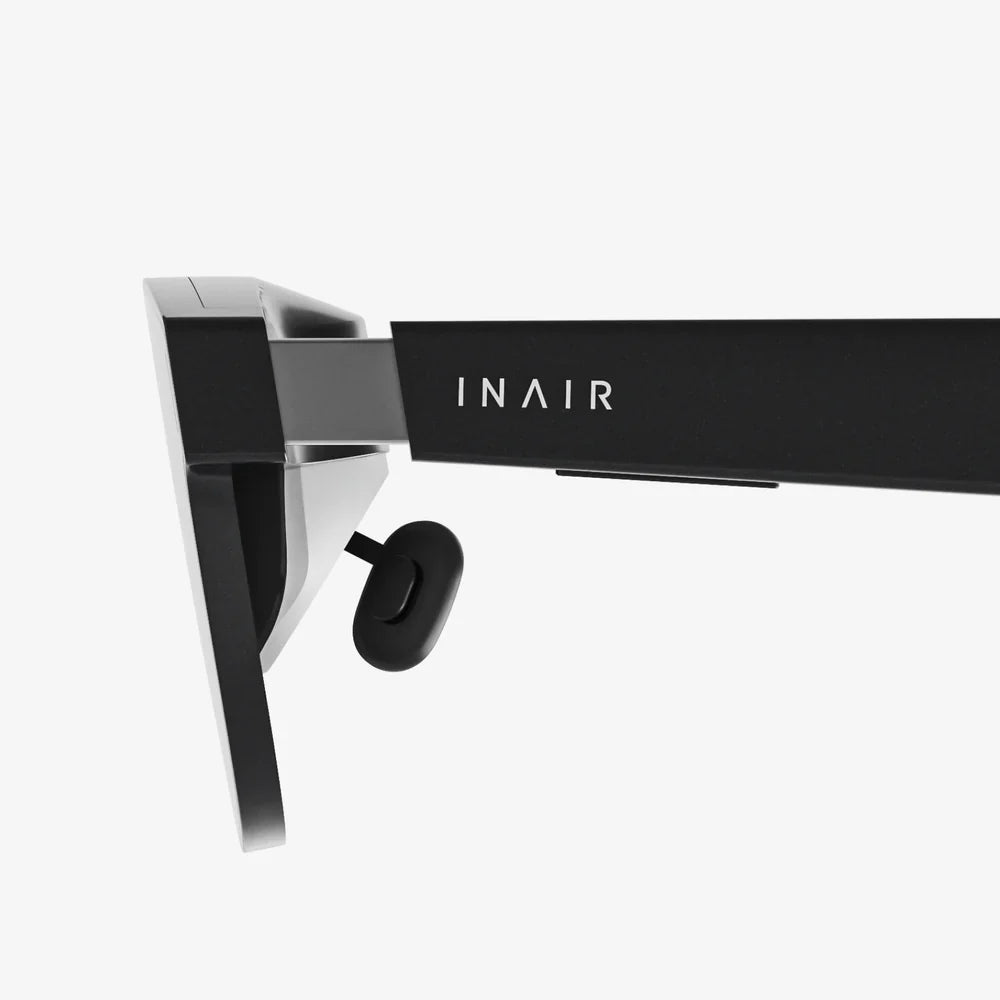
While smartphones are the current gateway, the ultimate goal is comfortable, stylish, and powerful AR glasses. This shift will unlock true spatial computing, where digital information is always available in your periphery without the need to hold a device. Your morning forecast could appear next to your mirror, your navigation path could be drawn on the sidewalk in front of you, and a colleague's avatar could appear in your living room for a meeting. This move towards seamless, always-on AR will spawn a new wave of projects focused on ambient information and constant, subtle assistance.
The Rise of the AR Cloud and Shared Experiences
The AR Cloud is a persistent, digital copy of the real world that allows devices to share a common understanding of a space. This is the foundational technology that will enable the next leap forward. It will allow for persistent AR content that remains in place for days, weeks, or years, viewable and interactable by anyone. Imagine leaving a virtual note for a friend on a restaurant table, or participating in a city-wide AR art exhibit where each person's contribution remains for others to see. The best future AR projects will be social, persistent, and collaborative by default.
Integration with Artificial Intelligence
AI and AR are a perfect symbiotic pair. AI will provide the brain, while AR provides the eyes and the interface. Future projects will use AI for:
- Enhanced Object Recognition: Your AR device won't just see a table; it will understand it's a 19th-century oak table and retrieve its history. It will recognize plants, animals, and people (with privacy safeguards), providing instant, contextual information.
- Predictive Assistance: By understanding your routine and context, AR could proactively offer information. Walking towards your car? It might remind you of your first meeting's location and estimated travel time. Looking at a complex menu? It might highlight dishes that align with your dietary preferences.
- Real-Time Language Translation: Reading street signs in a foreign language will happen instantly, with the translation seamlessly overlaid onto the real world, effectively breaking down language barriers in real-time.
The landscape of the best AR projects is a thrilling glimpse into a future where our digital and physical realities are no longer separate realms but a unified, enhanced experience. From the practical magic of guided repairs and virtual try-ons to the profound wonder of historical recreations and living art, these projects are building a new layer of understanding and interaction atop the world we know. This is not a distant promise; the tools are here, the creators are innovating, and the most exciting experiences are yet to be imagined. The only question that remains is: what will you see when you choose to look?
Share:
Design Opportunities That Wearable Technology Presents for a Connected Future
How Does the App AR Fashion Designer Work: A Deep Dive into Virtual Style