


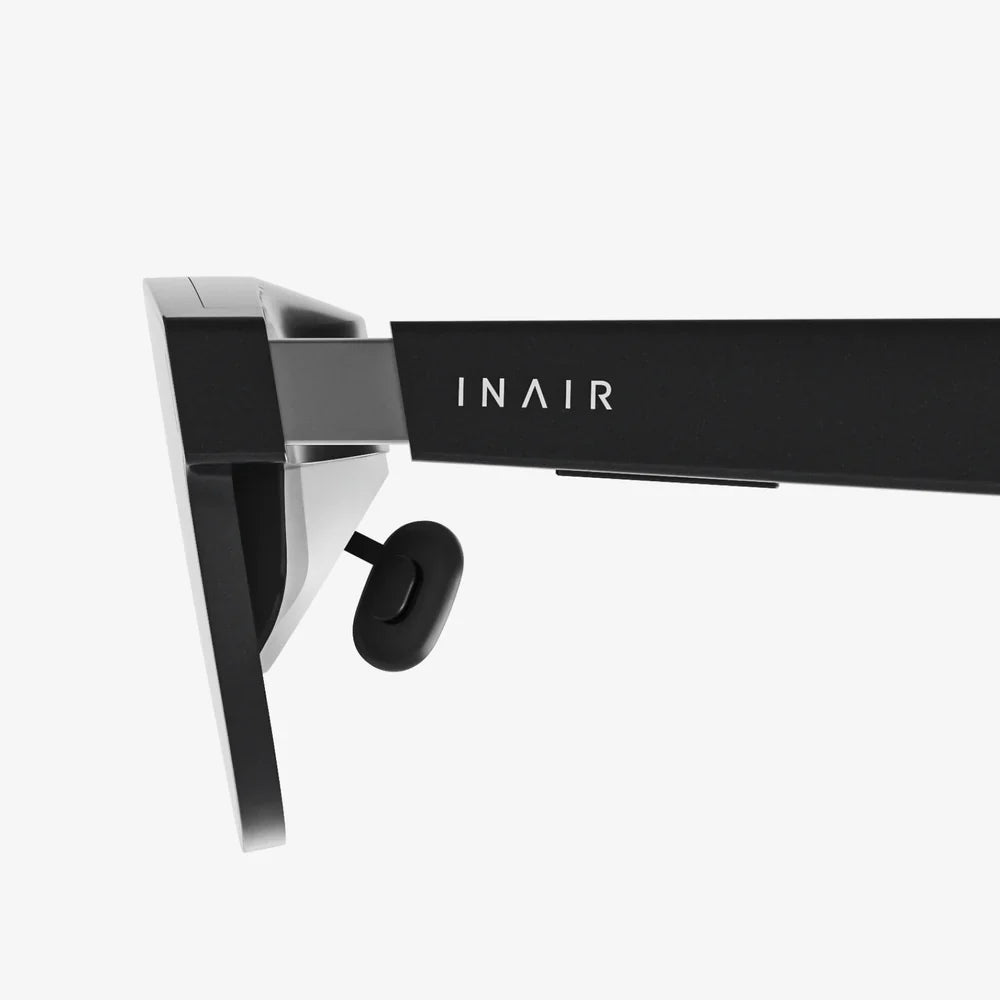
Imagine a world where your favorite playlist scores your morning commute, important calls are taken with crystal clarity, and your daily audio intake is seamlessly woven into the fabric of your life—all without a single wire or visible earpiece. This isn't a glimpse into a distant future; it’s the reality offered by the best Bluetooth glasses on the market today. This innovative category of wearable technology has evolved from a niche gadget into a sophisticated piece of audio eyewear that promises to declutter your ears and elevate your daily routine. If you’ve ever fumbled for your phone, struggled with earbuds that never quite fit, or simply wished for a more integrated way to stay connected, then prepare to be intrigued. The fusion of essential eyewear and cutting-edge audio is here, and it’s changing how we interact with our digital world.
The Anatomy of Audio Eyewear: How Do They Work?
At first glance, the best Bluetooth glasses look deceptively simple—often indistinguishable from a stylish pair of standard spectacles. The magic, however, is hidden in the frame. The engineering challenge of fitting speakers, a battery, microphones, and connectivity hardware into the slim profile of eyeglass arms is a feat of modern miniaturization.
The core components typically include:
- Bone Conduction Speakers (Open-Ear Audio): Many models utilize bone conduction technology. Instead of directing sound into the ear canal, these transducers sit on the temples of the frame and send gentle vibrations through the cheekbones directly to the inner ear. This allows you to hear your audio while still being fully aware of ambient noises—a critical feature for safety when walking or running outdoors.
- Directional Speakers (Private Audio): An alternative technology uses tiny, precise speakers that beam sound directly into the ear. This method can offer a more private listening experience with less sound leakage, though awareness of surroundings can be slightly more diminished compared to bone conduction.
- Rechargeable Battery: Integrated into the arms, the battery is the lifeblood of the device. Battery life is a key differentiator, with most models offering between 4 to 8 hours of continuous audio playback or talk time on a single charge. Charging is almost universally handled via a magnetic or physical USB-C port.
- Microphone Array: For taking calls and interacting with voice assistants, multiple microphones are strategically placed. These work in concert to employ beamforming technology, which focuses on the sound of your voice while filtering out background wind and noise, ensuring call quality remains high even on a busy street.
- Bluetooth Chipset: The latest models feature Bluetooth 5.2 or higher, providing a stable, low-energy connection to your smartphone, tablet, or laptop with a range typically up to 30 feet.
- Touch Controls: Rather than clunky buttons, the best Bluetooth glasses integrate intuitive touch-sensitive surfaces on the arms or lenses. A simple tap to play music, a swipe to adjust volume, or a hold to activate your phone's voice assistant keeps interaction seamless and discreet.
Beyond the Hype: Key Features to Evaluate
Not all audio glasses are created equal. When searching for the best Bluetooth glasses for your needs, several factors demand careful consideration.
1. Fit, Comfort, and Style
Since these are, first and foremost, glasses, how they look and feel on your face is paramount. The weight distribution must be balanced to avoid pressure on the nose or ears, especially with the added electronics. Look for models with adjustable nose pads and flexible spring hinges. Style is subjective, but the market now offers a wide variety, from classic rectangular frames and modern round shapes to sporty wraparound designs. The goal is to find a pair you’d be happy to wear even with the audio turned off.
2. Audio Quality: Setting Realistic Expectations
It’s important to understand that the audio experience from glasses will differ from high-end over-ear headphones or noise-canceling earbuds. The open-ear design prioritizes situational awareness over deep, thumping bass. However, the best Bluetooth glasses deliver surprisingly rich and clear audio that is more than adequate for podcasts, audiobooks, phone calls, and casual music listening. Pay attention to reviews that comment on minimal sound leakage to avoid sharing your conversation with everyone nearby.
3. Battery Life and Charging
Battery performance is typically measured in hours of audio playback. For all-day users, a minimum of 6 hours is advisable. Also, consider the charging mechanism. Magnetic charging cables are elegant and help maintain water resistance but can be easier to misplace than a standard USB-C port. Some frames even include a clever charging case that can provide multiple full charges on the go.
4. Call Clarity and Microphone Performance
This is arguably one of the most important features. The primary function for many users is hands-free communication. Advanced noise suppression and wind resistance algorithms are crucial here. Look for specifications that mention multiple microphones and ENC (Environmental Noise Cancellation) for the clearest call quality possible.
5. IP Rating (Durability and Sweat Resistance)
An IP (Ingress Protection) rating indicates resistance to dust and water. A rating of IPX4 signifies protection against splashing water from any direction, making the glasses safe for workouts and use in the rain. If you lead an active lifestyle, this is a non-negotiable feature.
6. Smart Features and Voice Assistant Integration
Seamless integration with Siri, Google Assistant, or Alexa allows you to control music, get directions, send messages, and query information without ever touching your phone. This hands-free convenience is a major part of the appeal.
The Seamless Integration into Daily Life
The true value of Bluetooth glasses is revealed in their countless practical applications. They solve specific modern-day problems with an elegant solution.
- The Multitasking Professional: On back-to-back video calls, they function as a superior hands-free headset. During focused work, a calming soundtrack can play without isolating you from colleagues. Walking between meetings, a podcast can continue uninterrupted.
- The Active Commuter: For cyclists and runners, they provide motivational music and navigational cues while keeping ears free to hear traffic, horns, and other potential hazards—a far safer alternative to noise-blocking earbuds.
- The Everyday User: From listening to an audiobook while cooking and hearing delivery notifications while mowing the lawn to taking a last-minute call with hands full of groceries, the convenience is endless. They are the ultimate tool for maintaining a digital connection without being physically tethered to a device.
Addressing the Considerations
As with any technology, there are trade-offs. The open-ear audio, while great for awareness, can struggle in very loud environments like a packed subway car. Sound quality, while impressive for the form factor, may not satisfy audiophiles seeking a fully immersive experience. Furthermore, if you require prescription lenses, you must either choose a model that offers prescription customization or factor in the cost and hassle of having lenses fitted by a local optician, which is not always possible with all frame designs.
Privacy is another consideration; while you can hear your audio clearly, those in very close proximity to you in a quiet room might detect a faint sound from the speakers. It’s also essential to be mindful of social etiquette, ensuring your audio isn’t disturbing others in quiet settings like waiting rooms or libraries.
The Future on Your Face
The trajectory of Bluetooth glasses points toward even deeper integration. We can anticipate advancements like improved battery technology for weeks of use, even more compact and powerful speakers, and the incorporation of augmented reality (AR) displays that overlay digital information onto the real world. The line between a communication device, an entertainment center, and an information portal is blurring, and it’s happening on the bridge of your nose.
The quest for the best Bluetooth glasses is ultimately a personal one. It’s about finding the perfect synergy between your aesthetic taste, your audio needs, and your lifestyle demands. They represent a significant step towards a more ambient and less intrusive relationship with our technology. They don’t demand your attention; they simply await your command, offering a soundtrack to your life and a connection to your world without ever asking you to pause what you’re doing. This isn’t just about hearing audio; it’s about experiencing it in a way that feels natural, liberating, and effortlessly cool. The future of personal audio isn’t in your ears—it’s on your face, and it looks fantastic.
Share:
Virtual Reality Goggles: A Journey Beyond the Screen and Into the Future
Computer Monitor Head: The Silent Epidemic Reshaping Our Digital Lives