


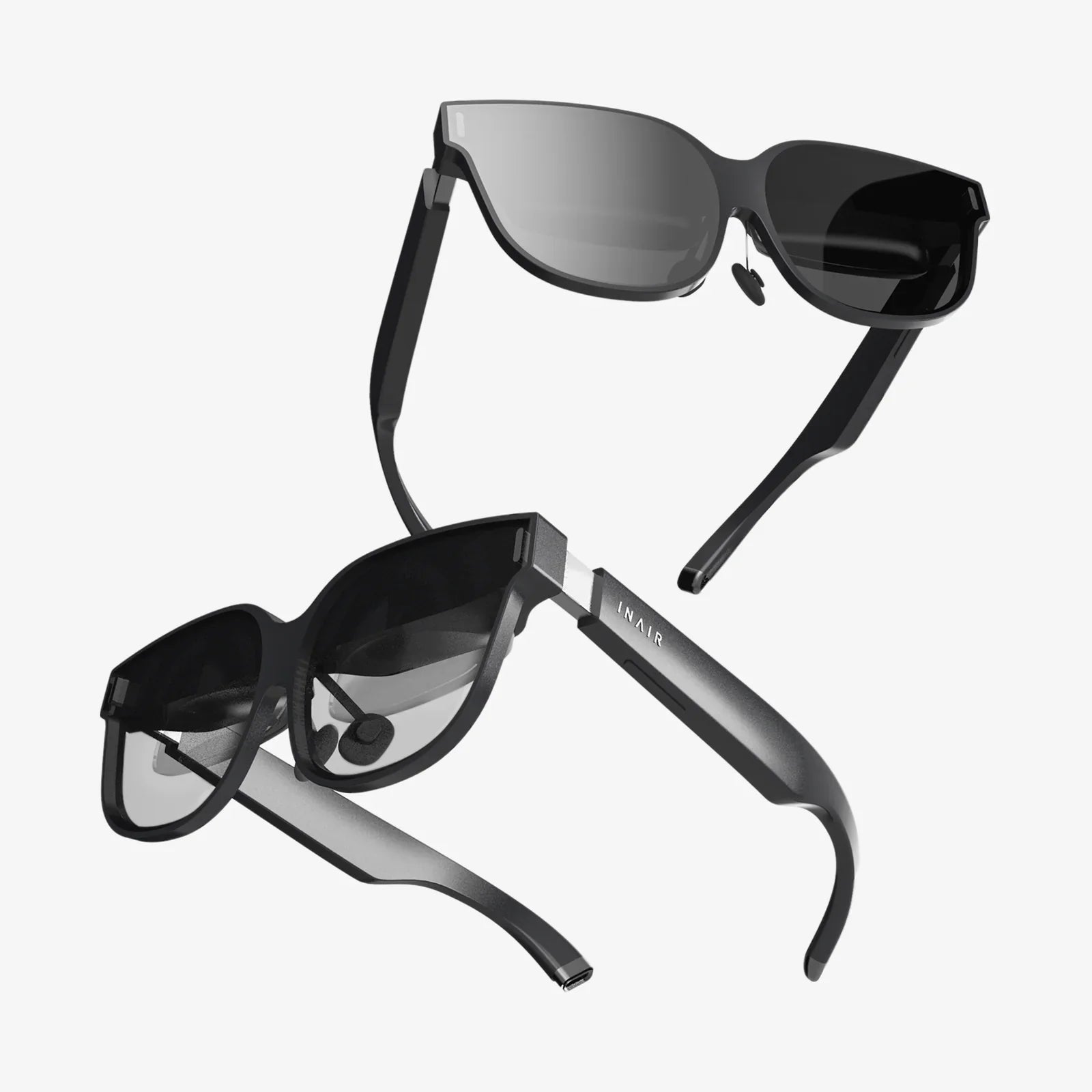
Imagine slipping on a headset and instantly being transported to a virtual concert, a strategic battlefield, or a sculpting studio, all without a single wire tethering you to a powerful computer and, most importantly, without emptying your wallet. The dream of accessible, high-quality virtual reality is no longer a distant fantasy. The market for standalone VR headsets has exploded, offering a plethora of options that promise incredible experiences. But with so many choices, how do you find the true gem—the best budget standalone VR headset that delivers on its promises without hidden costs or disappointing performance? This definitive guide cuts through the marketing jargon to equip you with the knowledge to claim your perfect portal to other worlds.
The Standalone VR Revolution: Cutting the Cord and the Cost
For years, virtual reality was the domain of hardcore gamers and tech enthusiasts with deep pockets. The experience required a high-end personal computer, often costing significantly more than the headset itself, and a messy tangle of cables that limited movement and immersion. The advent of the standalone VR headset changed everything. These all-in-one devices integrate the display, processors, sensors, and batteries into a single, wearable unit.
The advantages are immediately obvious:
- Complete Freedom of Movement: No more worrying about tripping over cables or being limited by their length. You are free to turn, crouch, and dodge within your play area.
- Radical Accessibility: The barrier to entry plummets. There's no need for a expensive gaming rig; you just need the headset itself.
- Unmatched Convenience: Picking up and playing becomes as simple as putting on the headset. It’s perfect for quick sessions, travel, or sharing the experience with friends and family.
The "budget" segment of this market is particularly exciting. It represents devices that have stripped away the absolute cutting-edge (and prohibitively expensive) features to focus on delivering a solid, core VR experience at a price point that welcomes millions of new users.
Defining "Budget" and "Best" in the VR Landscape
Before we dive in, it's crucial to define our terms. "Budget" does not mean "cheap" or "low-quality." In this context, it refers to headsets that sit in the most affordable tier of capable hardware, typically positioned significantly below the cost of flagship devices. We're talking about a price bracket that makes VR a realistic option for the average consumer, not just the dedicated enthusiast.
Similarly, "best" is a multifaceted term. It isn't just about the lowest price tag. The best budget standalone VR headset is the one that offers the most compelling value—a harmonious balance of:
- Performance: Smooth visuals and responsive tracking.
- Content Library: Access to a wide range of games and applications.
- Comfort: Wearable for extended periods without strain.
- Ecosystem: Software support, updates, and features.
- Total Cost of Ownership: Including any necessary accessories.
A headset that costs slightly more but includes crucial features like a better display or controllers may ultimately be a far better value than a barebones option.
The Pillars of a Great Budget Standalone VR Experience
When evaluating any headset, especially those in the budget category, you must focus on a few non-negotiable elements. Compromising too much on any of these can quickly turn an exciting purchase into a regretful one.
Visual Fidelity: Resolution, Lens Clarity, and Refresh Rate
The window into your virtual world is the display. Key specs to look for include:
- Resolution: Measured in pixels per eye, a higher resolution means a sharper, clearer image with less visible "screen door effect" (the fine lines between pixels). For a modern budget headset, you should expect a resolution that provides a detailed and immersive picture.
- Lens Quality: The lenses focus the image for your eyes. Fresnel lenses are common and effective, but higher-quality lenses provide a larger "sweet spot"—the area where the image is perfectly clear—and reduce visual artifacts like glare and god rays.
- Refresh Rate: Measured in Hertz (Hz), this is how many times the image updates per second. A rate of 72Hz is the absolute minimum for comfort, but 90Hz or higher is significantly smoother and reduces the potential for motion sickness.
Performance and Processing Power
The brain of the standalone headset is its mobile processing chipset. This silicon is responsible for running the software, rendering the complex 3D environments, and handling the sophisticated tracking algorithms. A more powerful processor enables:
- More graphically rich and detailed worlds.
- Stable frame rates, preventing jarring stutters.
- Advanced features like better hand tracking and augmented reality (AR) passthrough.
Budget headsets often use proven, last-generation chipsets. This isn't a bad thing; it means the technology is reliable and developers have optimized their software for it, ensuring a stable experience across a wide range of applications.
Tracking: Seeing and Understanding Your World
There are two primary types of tracking in modern standalone headsets:
- Inside-Out Tracking: This is the standard. Cameras on the headset itself look outward to map your room and track the position of the controllers. It's elegant and eliminates the need for external sensors. The quality of this tracking is paramount; it must be fast and accurate to maintain immersion.
- Controller-Free Hand Tracking: An increasingly common feature where the headset's cameras track your bare hands, allowing you to interact with the virtual world naturally. This is fantastic for menus, certain games, and applications where controllers feel cumbersome.
Comfort and Ergonomics: The Forgotten Feature
A headset can have the best specs on paper, but if it's a pain to wear, it will gather dust. Comfort is a hardware feature. Key aspects include:
- Weight Distribution: Is the weight front-heavy? A good strap system (like a rigid halo strap or an elasticized top strap) pulls the weight onto your forehead and the back of your head, relieving pressure on your cheeks.
- Facial Interface: The foam or material that touches your face. It should be soft, breathable, and easy to clean. A wide field of view (FOV) is also part of this equation, making the virtual world feel more expansive.
- IPD Adjustment: Interpupillary Distance is the space between your pupils. A physical IPD adjustment mechanism (sliding the lenses) is superior to a software-only solution, as it ensures the image is as sharp and comfortable as possible for your unique eyesight.
The Content Library: Your Virtual Playground
Hardware is useless without software. The value of a headset is inextricably linked to the platform it runs on. A robust ecosystem offers:
- A vast store filled with high-quality games, fitness apps, creative tools, and social experiences.
- Regular sales and promotions.
- A strong community of developers and players.
- Exclusive titles that you can't get anywhere else.
When considering a budget headset, investing in one with a weak or fledgling content library is a significant risk, no matter how good the hardware seems.
The Hidden Costs: What to Watch Out For
The headline price of a headset is often not the final price. To get the true "budget" picture, you must consider the total cost of ownership.
- Essential Accessories: Does the headset come with a adequate strap, or will you need to purchase a more comfortable one separately? Is the built-in audio sufficient, or will you want to use your own headphones? These add-ons can add up.
- Software Prices: While many apps are free or low-cost, premium VR games can carry a premium price tag, similar to console games. Budgeting for your initial software library is a smart move.
- Battery Life and Replacement: The internal battery has a finite number of charge cycles. Consider the long-term viability of the device and the potential cost or process of battery replacement down the line.
The Contender: A Closer Look at a Market Leader
One headset consistently emerges as the champion in the best budget standalone VR headset category. It successfully balances all the pillars we've discussed. It leverages a previous-generation flagship processor, providing more than enough power to drive its sharp display smoothly. Its inside-out tracking is considered industry-leading, offering precise and reliable controller and hand tracking.
Comfort is a highlight, with a well-designed strap that effectively balances the device's weight. The facial interface is soft and accommodates a wide range of users. Most importantly, it provides full, unfettered access to the largest and most mature content library in the VR space, featuring thousands of titles across every genre imaginable, from pulse-pounding action games to serene meditation apps and powerful social platforms.
This headset isn't without its compromises—it lacks the absolute highest-end resolution or the most powerful new chipset—but these are conscious trade-offs made to hit its aggressive price point. It delivers a polished, complete, and incredibly fun VR experience that feels anything but "budget." It represents the culmination of years of refinement, offering a package that is greater than the sum of its parts.
Making Your Decision: A Buyer's Checklist
Before you click "buy," run through this quick checklist to ensure you're making the right choice for your needs:
- Content First: Does this headset give me access to the specific games and apps I want to use?
- Comfort Check: Have I read reviews and user comments about long-term comfort? Is the strap design well-regarded?
- Spec Reality: Am I focusing on the right specs? (Prioritize resolution, refresh rate, and processor over marketing hype).
- Future-Proofing: Is this device part of a supported ecosystem that will receive software updates and new content for years to come?
- Total Price: Have I factored in the cost of any desired accessories or must-have games?
Your journey into virtual reality shouldn't start with compromise and frustration. The right headset will feel like a magic portal, not a piece of cumbersome tech. By focusing on value, ecosystem, and the core pillars of a great experience, you can confidently bypass the hype and find a device that will provide endless hours of awe, excitement, and discovery. The perfect immersive adventure is waiting, and it's far more affordable than you think.
Share:
Most Popular VR Headset 2025: The Ultimate Guide to the Year's Defining Device
What Is The Best VR Headset - A Definitive Guide to Finding Your Perfect Match