


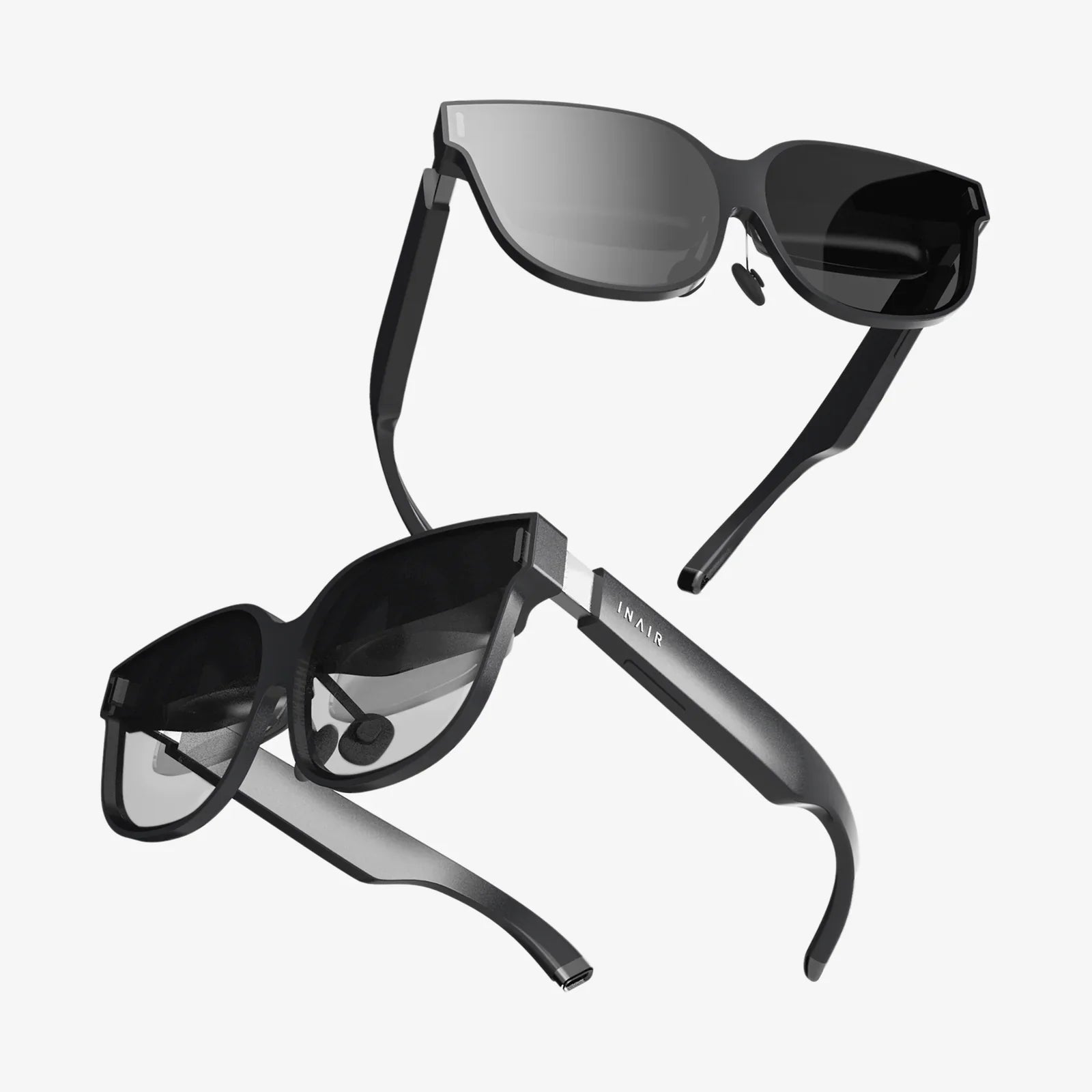
You've seen the breathtaking trailers, heard the incredible stories of virtual concerts and immersive gaming, and now you're ready to take the plunge. But a simple search for 'the best VR headset' reveals a dizzying array of options, each with its own promises and specifications. The truth is, the quest for the single 'best' headset is a mirage; the real journey is about finding the best headset for you. This definitive guide will cut through the marketing jargon and technical complexities, arming you with the knowledge to navigate this exciting landscape and discover the perfect portal to your new virtual reality.
Beyond the Hype: Deconstructing the VR Experience
Before comparing specific models, it's crucial to understand the core components that define a VR headset's performance and experience. These are the fundamental pillars you'll be evaluating.
Visual Fidelity: The Window to Another World
The quality of the display is often the first thing users notice. It's not just about raw resolution; several factors work in concert.
- Resolution and Pixels Per Degree (PPD): While manufacturers tout total resolution (e.g., 1920x1832 per eye), a more accurate measure is PPD, which accounts for the field of view. A higher PPD means a sharper, clearer image with less noticeable 'screen door effect' (the fine lines between pixels).
- Lens Quality: Advanced lens systems, like pancake lenses, allow for a much slimmer and lighter headset design while improving edge-to-edge clarity and reducing god rays (glare around high-contrast elements). Fresnel lenses, common in older designs, are bulkier and can produce more visual artifacts.
- Refresh Rate: Measured in Hertz (Hz), a higher refresh rate (90Hz, 120Hz, or even 144Hz) translates to smoother motion, which is critical for comfort and immersion, especially in fast-paced games. It significantly reduces the potential for motion sickness.
The Art of Tracking: How the Headset Understands Your World
Tracking technology is what allows the virtual world to react to your movements. There are two primary methods, each with pros and cons.
- Inside-Out Tracking: Cameras mounted on the headset itself scan your environment to track its position and the motion of the controllers. This method is incredibly user-friendly, requiring no external hardware setup. It's perfect for users who want a portable, easy-to-use system, though it can sometimes lose tracking if controllers are held outside the cameras' field of view.
- Outside-In Tracking (Base Stations): External sensors or 'base stations' are placed around your play area to precisely track sensors on the headset and controllers. This method is renowned for its millimetre-accurate, rock-solid tracking, making it the gold standard for professional applications and competitive VR gaming. The trade-off is a more complex setup and being tethered to a specific room.
Power Source: The Engine Behind the Magic
How a headset is powered dictates its capabilities and its limitations.
- PC-Connected (Tethered): These headsets act as high-resolution displays, leveraging the immense processing power of a powerful gaming computer. This unlocks the highest-fidelity graphics, most complex worlds, and richest experiences available in consumer VR. The experience is unparalleled, but you are physically connected to the computer with a cable, which can limit movement.
- Standalone (Untethered): All the necessary computing hardware is built into the headset itself. This offers complete freedom of movement—no wires, no external PC required. You can use it in any room with enough space. The graphics are necessarily less complex than on a PC-powered device, as the headset must balance performance with battery life and thermal constraints.
- Console-Based: A specific subset of tethered headsets designed to work exclusively with a particular video game console. They offer a streamlined, plug-and-play experience with graphics quality that sits between standalone and high-end PC VR.
Comfort and Ergonomics: The Long-Haul Test
A headset can have the best specs on paper, but if it's uncomfortable to wear, you won't use it for long. Key considerations include weight distribution, the quality of the facial interface (the foam that touches your face), the adjustability of the head strap, and whether the device feels balanced on your head. A good ergonomic design is often the difference between a 30-minute session and getting lost in another world for hours.
Defining Your Virtual Reality: A User-Centric Approach
With the technical basics covered, the most important question becomes: what do you want to do in VR? Your primary use case is the ultimate compass for this decision.
The Hardcore Gamer
If your goal is to experience the most graphically intense, immersive games like flight simulators, deep RPGs, and competitive shooters, your path is clear. You will need a headset that connects to a capable gaming PC. This path prioritizes raw performance, high refresh rates, and the most precise tracking available. For this user, the best VR headset is one that acts as a premium peripheral to their powerful computer, offering features like high-resolution displays, wide field of view, and superior comfort for extended play sessions.
The Fitness Enthusiast and Casual Explorer
For those looking to break a sweat with rhythm games, boxing, or fitness apps, or who simply want to explore social spaces, watch immersive videos, and play more casual games, a standalone headset is ideal. The complete lack of wires is a massive benefit for active use, and the convenience of being able to jump into VR anywhere is unbeatable. The best headset for this user emphasizes ease of use, a strong library of curated fitness and casual content, and a comfortable, secure fit for movement.
The Creative Professional and Simulator Aficionado
Architects, designers, and artists using VR for 3D modeling, virtual sculpting, or architectural walkthroughs require extreme visual clarity and precision. Similarly, users dedicated to driving or flight simulators demand low latency and high persistence of vision. This group should look for PC-connected headsets that offer the absolute highest resolution displays available on the consumer market, often paired with outside-in tracking for unwavering accuracy.
The Console Gamer
If you are deeply invested in a specific console ecosystem and want a simple, guaranteed-to-work solution for experiencing VR games designed for that platform, your choice is straightforward. The best headset in this context is the one officially supported and designed by the console manufacturer, offering a seamless integration with your existing hardware and game library.
The Invisible Ecosystem: Why Content and Software Matter
A headset is merely a vessel; the software is the soul. The available content library can make or break your experience.
- Exclusive Titles: Some headsets have games and experiences that are available nowhere else. The strength and appeal of these exclusives are a major factor for many buyers.
- App Store Quality: Investigate the digital storefront for the headset. Is it easy to navigate? Does it have a robust selection of apps beyond just games, such as social, productivity, and creative tools?
- Backward Compatibility: If a new model is released, will you still have access to the library of software you purchased for the older generation? This protects your investment over time.
- Social Features: For many, VR is a social experience. The strength of the built-in social platform—allowing you to easily meet up with friends, watch movies together, or attend events—is a critical quality-of-life feature.
The Future-Proofing Question: A Look at the Horizon
VR technology is evolving rapidly. While you can't predict everything, you can make an informed choice that won't feel obsolete in a year.
- Color Passthrough and Mixed Reality (MR): The next major frontier is blending the real world with the virtual one. High-resolution, full-color video passthrough cameras allow you to see your physical environment clearly through the headset. This enables MR experiences where digital objects are anchored to your real-world space. If this technology excites you, prioritize headsets that have advanced this capability.
- Haptic Feedback: Beyond visual and auditory immersion, the next level is touch. Advanced controllers and even full haptic vests are beginning to emerge. While not mainstream yet, considering a headset's compatibility with emerging accessory ecosystems can be a wise move.
- Upgradability: Some headset systems are designed with modularity in mind, allowing you to potentially upgrade components like the headstrap or controllers separately in the future, extending the life of your core device.
So, what is the best VR headset? The answer is beautifully complex. It's the one with the visual clarity that takes your breath away, the tracking that feels like a natural extension of your body, and the comfort that makes you forget you're wearing it. It's the device powered by a system you already own or are willing to invest in, and it's the portal to a library of content that speaks directly to your passions. It's a personal equation where performance meets purpose. Forget the mythical 'one-size-fits-all' winner; your perfect virtual reality awaits, tailored precisely to the world you want to explore and the experiences you crave to live.
Share:
Best Budget Standalone VR Headset - Your Portal to Virtual Worlds Without Breaking the Bank
VR Headset for iPhone X: Your Ultimate Guide to Mobile Immersion