


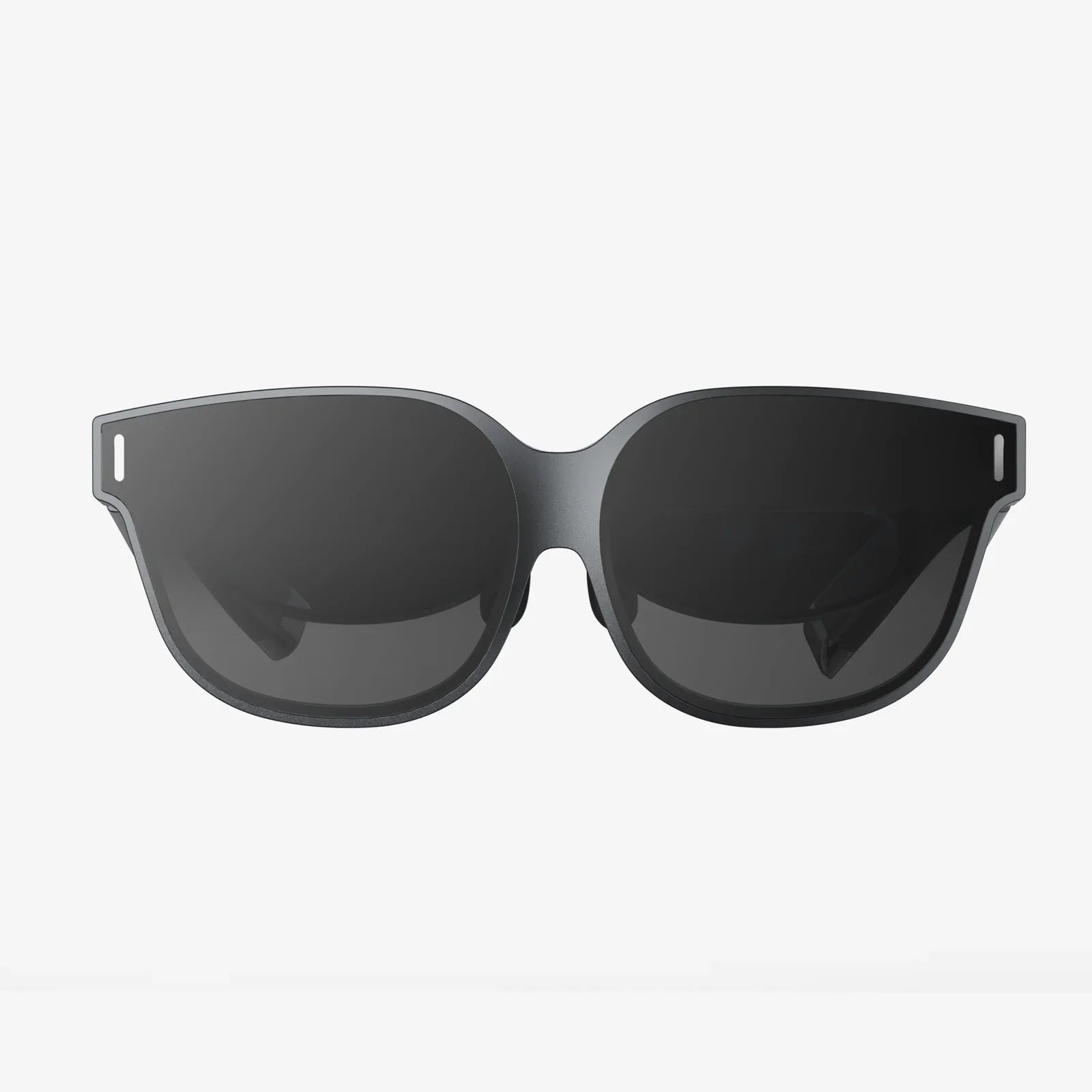
Imagine strapping on a headset and instantly being transported to a different world, exploring alien landscapes, attending a live concert from your living room, or mastering a new skill through immersive training—all without spending a fortune. The dream of affordable virtual reality is no longer a distant fantasy. The market is now brimming with options that promise incredible experiences without the premium price tag, making it the perfect time to dive in. But with so many choices, how do you find the true gem that offers the best bang for your buck? This guide is your definitive roadmap to navigating the exciting, and sometimes overwhelming, world of cost-effective VR.
Demystifying the VR Landscape: More Than Just Price
When we talk about the 'best budget VR headset,' it's crucial to understand that 'budget' doesn't simply mean 'cheapest.' A truly great budget device strikes a delicate balance between affordability, performance, and features. It's about value. It’s the headset that makes the fewest compromises in the areas that matter most to you, whether that's display clarity, comfort during long sessions, or access to a rich library of games and applications.
The first major decision point is understanding the two primary categories of headsets available today: standalone and tethered.
Standalone VR: The King of Convenience
Standalone headsets are all-in-one units. They have their own internal computer, display, battery, and tracking systems. Think of them like a smartphone for your face—they are completely wireless and self-contained.
Pros:
- Unmatched Freedom and Ease of Use: There are no wires to trip over and no powerful computer required. You can take it anywhere, set it up in minutes, and enjoy VR in a large, clear space.
- Generally Lower Entry Cost: You're buying one product for the entire VR experience, making the initial investment significantly lower than a tethered setup.
- Perfect for Social and Active Experiences: The lack of a cable makes it ideal for games that require turning, crouching, and moving around freely.
Cons:
- Less Processing Power: The graphics and computational power are limited by the mobile-grade chipset inside the headset. While impressive, it cannot match the fidelity of a high-end gaming PC.
- Battery Life: Sessions are limited to typically two to three hours before needing a recharge.
Tethered (PC-Powered) VR: The Powerhouse Experience
Tethered headsets act as high-resolution displays and motion sensors. They must be connected via a cable to a powerful desktop computer or gaming console that does all the heavy graphical lifting.
Pros:
- Superior Visuals and Performance: This is the domain of photorealistic graphics, incredibly detailed environments, and complex simulations. If visual fidelity is your top priority, this is the path.
- Access to a Vast Library: PC VR platforms offer a deep and mature catalog of sophisticated games and experiences.
- No Battery Anxiety: You can play for as long as your PC can run and your body can handle.
Cons:
- Higher Total Cost: The requirement for a capable gaming PC (which can cost significantly more than the headset itself) makes the total entry price much higher.
- The Tether Cable: The wire can be immersion-breaking and a tangible hazard, often requiring conscious management during play.
- Complex Setup: The process involves connecting sensors, managing cables, and ensuring PC compatibility.
The Non-Negotiable Features of a Great Budget Headset
Beyond the standalone vs. tethered divide, several core features define the quality of your VR experience. Knowing what to look for will help you spot a good deal from a bad one.
Display Resolution and Refresh Rate: The Window to the Virtual World
The screen is everything in VR. A low-resolution display manifests as a 'screen door effect'—where you can see the faint lines between pixels, breaking immersion. For a comfortable experience, aim for a per-eye resolution of at least 1600x1400 or higher. The refresh rate, measured in Hertz (Hz), determines how smooth the motion appears. A rate of 72Hz is the absolute minimum for comfort, but 90Hz is the sweet spot for budget headsets, significantly reducing the potential for motion sickness.
Tracking: Inside-Out vs. Outside-In
How does the headset know where you are and what you're doing?
- Outside-In Tracking: This older method uses external sensors or base stations placed around your room to track the headset and controllers. It's very precise but adds to the cost and setup complexity.
- Inside-Out Tracking: This is now the standard for modern budget headsets. Cameras on the headset itself look outward to map your environment and track the controllers. It's incredibly convenient, requires no external hardware, and is more than accurate enough for most games and experiences. This feature is a major differentiator for ease of use.
Controllers: Your Virtual Hands
Good controllers are ergonomic, feel responsive, and have all the necessary buttons, triggers, and thumbsticks. They should track your hands accurately, allowing for natural gestures like pointing, grabbing, and throwing. Most modern systems have excellent inside-out tracked controllers that are a world away from the clunky wands of early VR.
Comfort and Fit: The Forgotten Frontier
You might overlook this in a spec sheet, but comfort is paramount. A headset that is too heavy, has poor weight distribution, or features a cheap strap will become painful after just 20 minutes. Look for models with adjustable straps (rigid, halo-style straps often distribute weight better than soft fabric ones), ample padding, and adjustable IPD (Interpupillary Distance—the distance between your eyes). A proper fit is essential for visual clarity and comfort.
Content Library: The Reason You're Here
A headset is just plastic and glass without great software. Ensure the platform you're buying into has a healthy ecosystem. This includes not just big-budget games but also free experiences, social apps, creative tools, and media players. Some headsets have access to sprawling, open stores, while others might be more walled gardens. Research the available apps before you commit.
Navigating the Trade-Offs: Where Budget Headsets Compromise
To hit a lower price point, manufacturers must make cuts. Being aware of these common compromises helps you make an informed choice based on your priorities.
- Construction Materials: More plastic, less metal and glass. This can affect durability and perceived quality.
- Audio: High-end headsets often have integrated, high-quality headphones. Budget models may have basic directional speakers or require you to use your own headphones.
- Field of View (FOV): This is how much of the virtual world you can see at once. Premium headsets offer a wider FOV for greater immersion. Budget models often have a slightly narrower view, which can feel like looking through binoculars.
- Lens Quality: Cheaper Fresnel lenses can have issues with glare and 'god rays' in high-contrast scenes, compared to the superior clarity of advanced lens technology in premium models.
Maximizing Your Investment: Pro Tips for the Savvy Shopper
Finding the right headset is only half the battle. These tips will ensure you get the most out of your purchase.
- Wait for Sales: Major shopping holidays are golden opportunities to snag a headset at a significant discount. Older models often see deep price cuts when new versions are announced.
- Consider the Refurbished Market: Manufacturer-refurbished units often come with a warranty and are indistinguishable from new, but at a fraction of the cost. This is one of the smartest ways to enter the VR space.
- Don't Forget the Software Budget: The headset is just the beginning. Factor in the cost of the games and apps you want to experience. Wishlist items and wait for sales on digital storefronts.
- Check Your PC's Specs (For Tethered VR): Before buying a PC-powered headset, use a compatibility checker tool to ensure your computer meets the minimum, and preferably recommended, requirements. A underpowered PC will lead to a choppy, nausea-inducing experience.
- Read User Reviews: Look beyond the professional reviews. Read user forums and reviews to learn about long-term comfort, software quirks, and real-world customer support experiences.
The Future is Now, and It's Affordable
The relentless pace of technological advancement means that today's budget headsets are more powerful and capable than the flagship models of just a few years ago. Features like inside-out tracking, high-resolution displays, and robust content libraries are no longer exclusive to the high end. This trickle-down of technology is a huge win for consumers, democratizing an experience that was once prohibitively expensive. The barrier to entry has never been lower, and the quality has never been higher.
Whether your goal is to game, create, socialize, or simply explore, there has never been a better time to find a VR headset that fits your dreams and your budget. The virtual frontier is open for exploration, and your ticket is waiting.
Your journey into breathtaking virtual worlds doesn't require a king's ransom. The perfect gateway to adventure, connection, and mind-bending entertainment is closer than you think, hiding in plain sight within the value-packed options of today's market. Stop wondering what it's like and start experiencing it for yourself—the ultimate immersive escape is now within reach, and it's ready to redefine your reality.
Share:
How to Connect VR Headset to TV: The Ultimate Sharing Guide
First Commercial VR Headset: The Prototype That Predicted the Future