


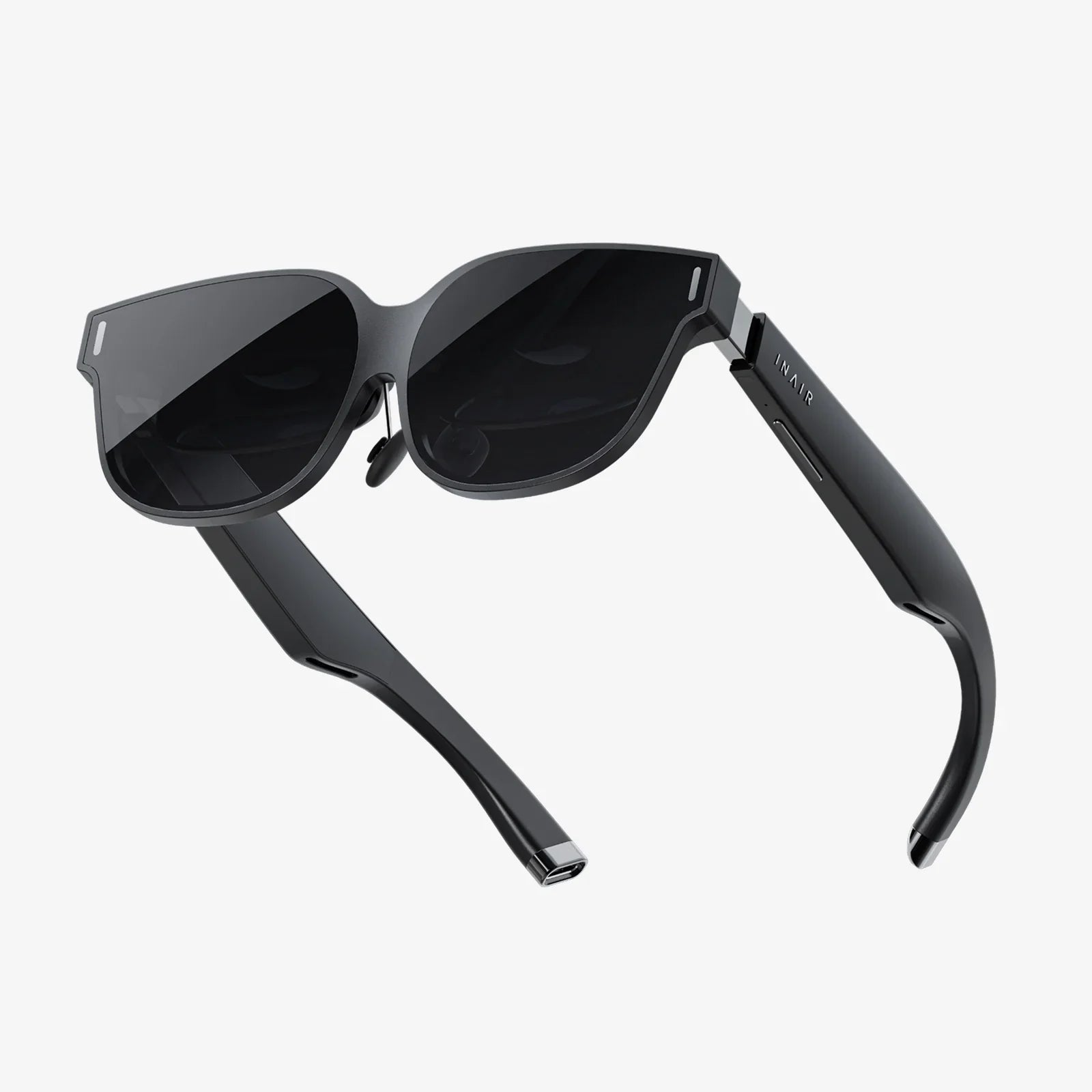
- by wangfred
Best Budget Wearable: A Comprehensive Guide to Affordable Smart Tech
- by wangfred
In a world where technology seems to advance at the speed of light, staying connected and monitoring your health no longer requires a king's ransom. The quest for the best budget wearable is more than just a search for a cheap gadget; it's about finding that perfect intersection of functionality, reliability, and value. Imagine a device on your wrist that not only tells time but also narrates the story of your day—your steps, your heart rate, your sleep—all without narrating a story of financial regret. This is the promise of today's affordable wearable technology, a market segment that has exploded with options, making advanced health and connectivity features accessible to nearly everyone. Let's dive into how you can navigate this exciting landscape and find the perfect device for your needs and budget.
Before we explore the features, it's crucial to define what "budget" means in the context of wearables. The term is relative, but generally, this category encompasses devices that are significantly more affordable than flagship offerings from leading brands, often costing a fraction of the price. This doesn't mean they are low-quality; rather, they represent incredible value. Manufacturers achieve these lower prices through strategic choices—using slightly older but proven processors, focusing on core software features rather than an endless list of novelties, and optimizing supply chains. The result is a range of devices that deliver 80-90% of the core functionality of their premium counterparts for often less than half the cost. This market democratization means that advanced health tracking and smart notifications are no longer luxury items but tools available for the average consumer.
Gone are the days when a budget device meant a basic pedometer. Today's best budget wearables pack a serious punch when it comes to features.
This is the cornerstone of most wearables. At a minimum, you can expect highly accurate tracking of your steps taken, distance traveled, and calories burned. Most devices now include continuous heart rate monitoring, which forms the basis for more advanced metrics. Sleep tracking is another ubiquitous feature, providing insights into your sleep stages (light, deep, REM) and offering a sleep score to help you understand the quality of your rest. Many models also include dedicated sports modes for activities like running, cycling, and swimming, often with water resistance ratings that allow for swim tracking. Some even offer SpO2 sensors for blood oxygen monitoring and stress tracking based on heart rate variability (HRV).
Staying connected is a key reason many choose a wearable. Budget devices expertly handle this by delivering smartphone notifications directly to your wrist. You can see calls, texts, and app alerts at a glance, allowing you to decide whether to pull out your phone. Many also offer music control, allowing you to play, pause, or skip tracks from your wrist. Some models take it a step further with onboard storage for music or even the ability to make and take calls directly from the device, though this is more common in slightly higher-priced budget segments.
Here's where budget wearables often surprisingly outperform their premium rivals. Without power-hungry always-on displays and ultra-high-resolution touchscreens, affordable devices are sippers, not guzzlers. It's common to find models that offer a week or more of battery life on a single charge. Some even push into two-week or monthly territory. This exceptional battery life reduces charging anxiety and makes the device more reliable for 24/7 health tracking, including sleep. This practical advantage is a huge selling point for those who don't want another device to charge every night.
To hit a lower price point, manufacturers must make compromises. Understanding these helps set realistic expectations.
Premium devices often feature sapphire glass, titanium cases, and ceramic backs. Budget wearables typically use reinforced polymer plastics and hardened glass like Gorilla Glass. This doesn't mean they are fragile—far from it. Many are still durable and lightweight. Displays might be LCD instead of vibrant AMOLED, which can affect visibility in bright sunlight. The resolution might be lower, but for displaying basic data and notifications, it is almost always more than sufficient.
While the basic sensor suite is excellent, the absolute pinnacle of accuracy, especially for GPS tracking or heart rate during high-intensity interval training, might be found in more expensive devices. For the vast majority of users, the accuracy of a good budget wearable is more than adequate for tracking general fitness trends and health metrics. The difference is often marginal and only relevant to elite athletes.
You might miss out on deep integration with a specific phone operating system's ecosystem. Budget devices often use third-party apps that work well across both major mobile platforms, but they won't have the same seamless experience as a device made by a phone manufacturer. Furthermore, you might not get features like an ECG app or advanced training analytics, which are often reserved for regulatory approval and higher-end models.
With so many options, making a choice can be daunting. Focus on what matters most to you.
Are you a fitness enthusiast who needs accurate GPS for runs? A casual user who wants to track general activity and sleep? Or someone who needs to stay connected without constantly checking their phone? Your primary goal will narrow the field significantly. If battery life is your top priority, focus on models that tout long endurance. If you want a stylish device for all occasions, look at the design and band options.
Ensure the device works seamlessly with your smartphone's operating system. Then, investigate the companion app. The app is your window into all your data. It should be intuitive, easy to navigate, and present your health information in a clear and actionable way. Read reviews that specifically mention the user experience of the app.
Don't just look at the specs on a website. Seek out detailed video and written reviews from trusted sources. Pay special attention to long-term reviews that discuss the device's durability and software support over time. User forums and communities are also goldmines of information where real people discuss real-world usage, bugs, and workarounds.
The trajectory for affordable wearables is incredibly exciting. We can expect the trickle-down of technology to continue at an accelerated pace. Features like ECG, skin temperature sensors, and even more advanced health metrics will become standard in the budget category. Battery technology will continue to improve, potentially offering even longer life. Furthermore, as artificial intelligence and machine learning become more integrated, these devices will shift from simply reporting data to offering personalized, proactive insights and recommendations for your health and wellness, all at an accessible price point.
Your journey to better health and greater connectivity shouldn't be hampered by a daunting price tag. The best budget wearable for you is out there, waiting to be discovered—a device that seamlessly integrates into your life, empowers you with knowledge about your body, and keeps you connected to what matters, all while keeping your finances firmly in the green. The perfect blend of smart technology and savvy spending is not a myth; it's the reality of today's market. Start your search with confidence, knowing that you don't have to compromise on quality to find a wearable that truly works for you.
Share:
Digital Wearable Devices Are Reshaping Our Lives, Health, and Society
Wearable Tech at Work: The Future of Productivity and Employee Wellness