


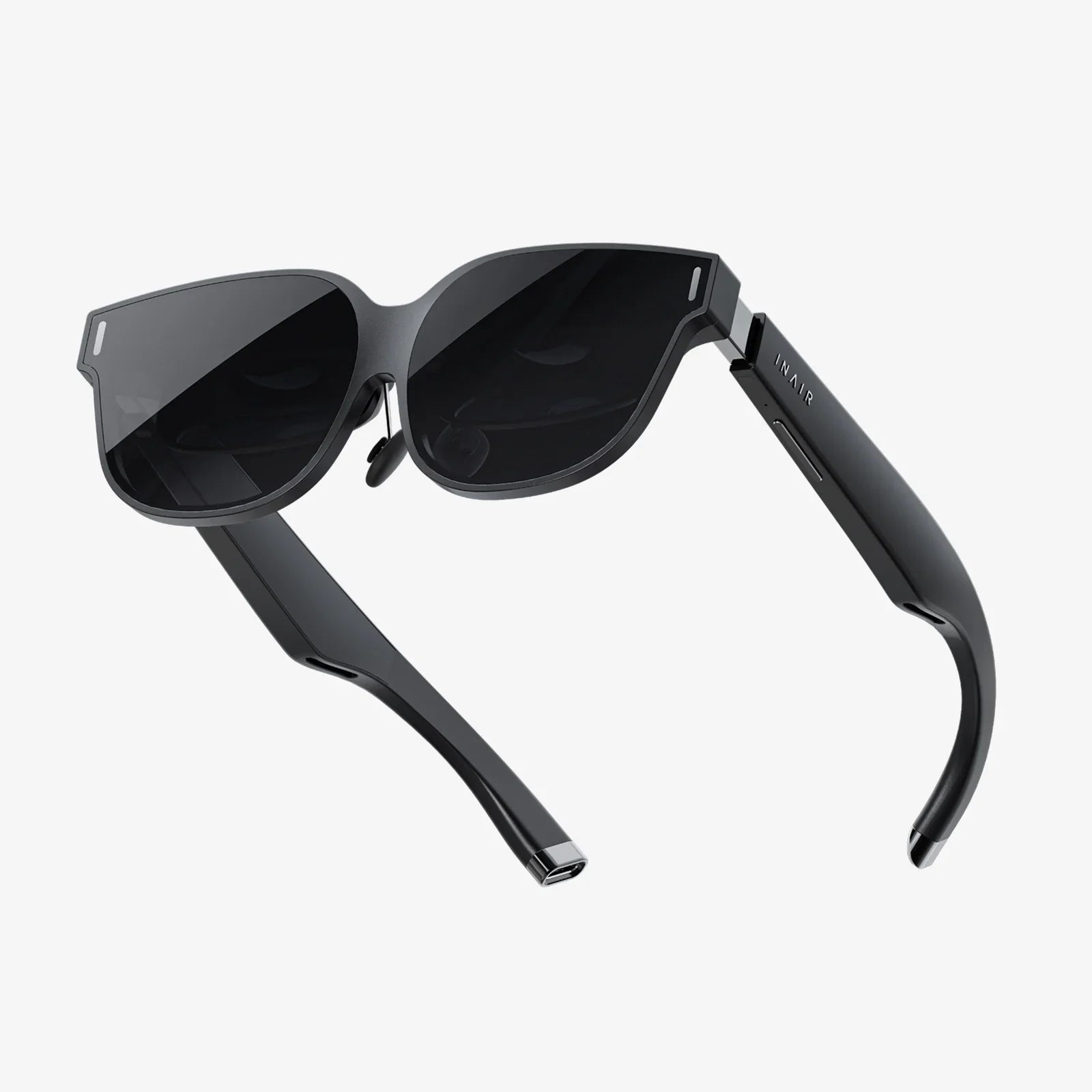
You squint at the screen, your eyes feeling dry, tired, and heavy after another long day. The familiar throb of a headache begins to pulse behind your temples. This isn't just fatigue; it's the physical cost of our digital lives, a silent toll extracted by the relentless glow of our devices. But what if a simple, stylish accessory could fundamentally change your relationship with technology, transforming your comfort, health, and productivity? The search for the best computer sunglasses is more than a quest for clearer vision—it's a proactive step toward reclaiming your well-being in a pixel-saturated world.
The Unseen Assault: Understanding Blue Light and Digital Eye Strain
To appreciate the value of computer eyewear, we must first understand the adversary. The light emanating from your computer, smartphone, and tablet screens is not benign. It contains significant amounts of high-energy visible (HEV) light, commonly known as blue light. While natural blue light from the sun is crucial for regulating our circadian rhythm, the artificial, concentrated doses from digital devices pose several challenges.
The human eye is not particularly adept at blocking blue light. Unlike UV rays, which are primarily absorbed by the cornea and lens, blue light penettes all the way to the retina. Prolonged, unfiltered exposure can lead to a condition now so prevalent it has its own name: Digital Eye Strain (DES), or Computer Vision Syndrome. Symptoms are wide-ranging and unmistakably familiar to millions:
- Eye strain and fatigue
- Dry, irritated, or red eyes
- Blurred vision
- Difficulty focusing
- Headaches and migraines
- Neck and shoulder pain (often from leaning forward to see a blurry screen)
Beyond the immediate discomfort, the scientific community is actively researching the potential long-term effects of chronic blue light exposure, including its possible contribution to the risk of age-related macular degeneration (AMD) and significant disruption of sleep patterns by suppressing the body's production of melatonin.
Beyond the Hype: The Science Behind Computer Sunglasses
Computer sunglasses, often called blue light glasses or computer glasses, are specifically engineered to address these issues. They are not a gimmick; they are a technological solution to a technological problem. Their efficacy lies in their specialized lenses, which typically feature two key components:
- Blue Light Filtering: These lenses are coated with a filter that selectively blocks or absorbs a significant portion of the blue light spectrum emitted by screens, typically in the 400-455 nm range, which is considered the most potentially harmful. This doesn't mean the world appears through a dark, yellow tint. Advanced coatings can filter up to 50% or more of blue light while maintaining fantastic color clarity and minimal distortion.
- Anti-Reflective (AR) Coating: This is a critical, often overlooked feature. AR coating minimizes glare from overhead lighting and reflections on your screen. By reducing the constant effort your eyes make to see through these reflections, the coating significantly reduces eye strain and fatigue.
For many users, especially those who already wear prescription lenses, these features can be combined with a slight magnification power (a low-plus power) to help your eyes maintain focus at the intermediate distance of a computer screen, further reducing the focusing effort that leads to strain.
What Truly Makes the Best Computer Sunglasses?
Not all blue light glasses are created equal. The market is flooded with options, but the best computer sunglasses share a set of distinct characteristics that set them apart. When evaluating a pair, consider these essential features:
1. Precise Blue Light Protection
Look for information on the specific percentage of blue light blocked. High-quality options will often block between 40% and 65% of blue light. Some lenses only filter a small portion (10-20%), which may not be sufficient for heavy users. Transparency about the filtering percentage is a mark of a reputable product.
2. Exceptional Lens Clarity and Color Accuracy
The best lenses are virtually clear. They may have a very slight residual tint (often a faint yellow, orange, or rose hue) depending on the filtering technology, but it should not drastically alter your perception of colors. This is crucial for graphic designers, photographers, and anyone whose work requires accurate color representation. The goal is visual comfort, not visual alteration.
3. Comprehensive Anti-Reflective Treatment
A high-quality anti-reflective coating should be applied to both the front and back of the lenses. This dual-sided application eliminates reflections from behind you (off the back of the lenses) as well as from lights in front of you, providing all-around visual comfort.
4. A Comfortable and Durable Frame
Since these are designed for extended wear, frame comfort is paramount. Look for lightweight materials, flexible hinges, and adjustable nose pads. The frame should feel secure without applying excessive pressure. Durability is also key—a well-constructed frame will withstand being put on and taken off multiple times a day.
5. A Style You Love
Function doesn't have to sacrifice form. The best computer sunglasses come in a vast array of styles, from classic and professional to modern and bold. Choosing a pair that you genuinely enjoy wearing increases the likelihood that you will actually use them consistently throughout your day.
Prescription vs. Non-Prescription: Finding Your Fit
This is a fundamental decision point. If you already wear corrective lenses, you have two excellent paths:
- Prescription Computer Glasses: These are custom-made to your exact prescription, incorporating the blue light filtering and anti-reflective coatings. This is often the ideal solution, as it provides perfect vision correction for the distance to your screen, combined with the protective features. They are meant to be worn specifically during computer use.
- Clip-Ons or Fit-Overs: A more economical option is to have your existing prescription lenses treated with the necessary coatings. Alternatively, you can purchase specialized clip-on shields that attach to your regular glasses.
For those with 20/20 vision, non-prescription computer sunglasses offer all the protective benefits without the need for vision correction. They are a fantastic, accessible tool for anyone spending significant time in front of digital devices.
Integrating Computer Sunglasses into Your Digital Routine
Purchasing the best computer sunglasses is only the first step. Integrating them into your daily life is where the real benefits are realized. Develop a habit of putting them on as you sit down to work. Keep them in a dedicated, protective case on your desk as a visual reminder. Combine them with other healthy digital habits for a comprehensive approach to eye health:
- The 20-20-20 Rule: Every 20 minutes, look at something 20 feet away for at least 20 seconds. This simple practice gives your focusing muscles a crucial break.
- Adjust Your Environment: Position your screen so it's about an arm's length away, with the top of the screen at or slightly below eye level. Ensure your workspace is well-lit with soft, ambient light to reduce screen glare.
- Blink Consciously: We blink significantly less often when staring at screens, leading to dry eyes. Make a conscious effort to blink fully and regularly.
- Software Solutions: Use built-in operating system features like Night Shift (macOS/iOS) or Night Light (Windows) to reduce blue light emission, especially in the evenings. These are helpful supplements but are not a replacement for physical lens filtration.
Debunking Common Myths
As with any popular product, misconceptions abound. Let's clarify a few:
-
Myth: "They make you sleepy or depressed by blocking 'good' blue light."
Fact: Quality lenses are designed to block the most harmful portions of the blue light spectrum while allowing the beneficial wavelengths that help regulate mood and wakefulness to pass through. You still get exposure to natural blue light from other sources throughout your day. -
Myth: "The blue light filter on my phone is enough."
Fact: Software filters are a great start, but they work by simply dimming and yellowing your screen. They cannot selectively block the most harmful high-energy blue light wavelengths as effectively as a physical coating on a lens can. -
Myth: "They are only for people who already have eye problems."
Fact: Computer sunglasses are a preventive tool. Anyone who spends hours on digital devices can benefit from reduced eye strain and better sleep hygiene, potentially staving off future issues.
Imagine finishing your workday not with gritty, exhausted eyes, but with a sense of visual clarity and comfort you thought was lost to the past. The best computer sunglasses are not a magic bullet, but they are a profoundly effective shield, deflecting the invisible barrage of digital light and allowing you to engage with the technology you love—or need—without sacrificing your comfort and long-term health. The difference isn't just seen; it's felt in the absence of strain, the quality of your sleep, and the preservation of your most vital connection to the world: your vision.
Share:
Holographic Picture: The Future of Visual Technology and Its Revolutionary Applications
Can I Use Any 3D Glasses with My Monitor? The Ultimate Compatibility Guide