


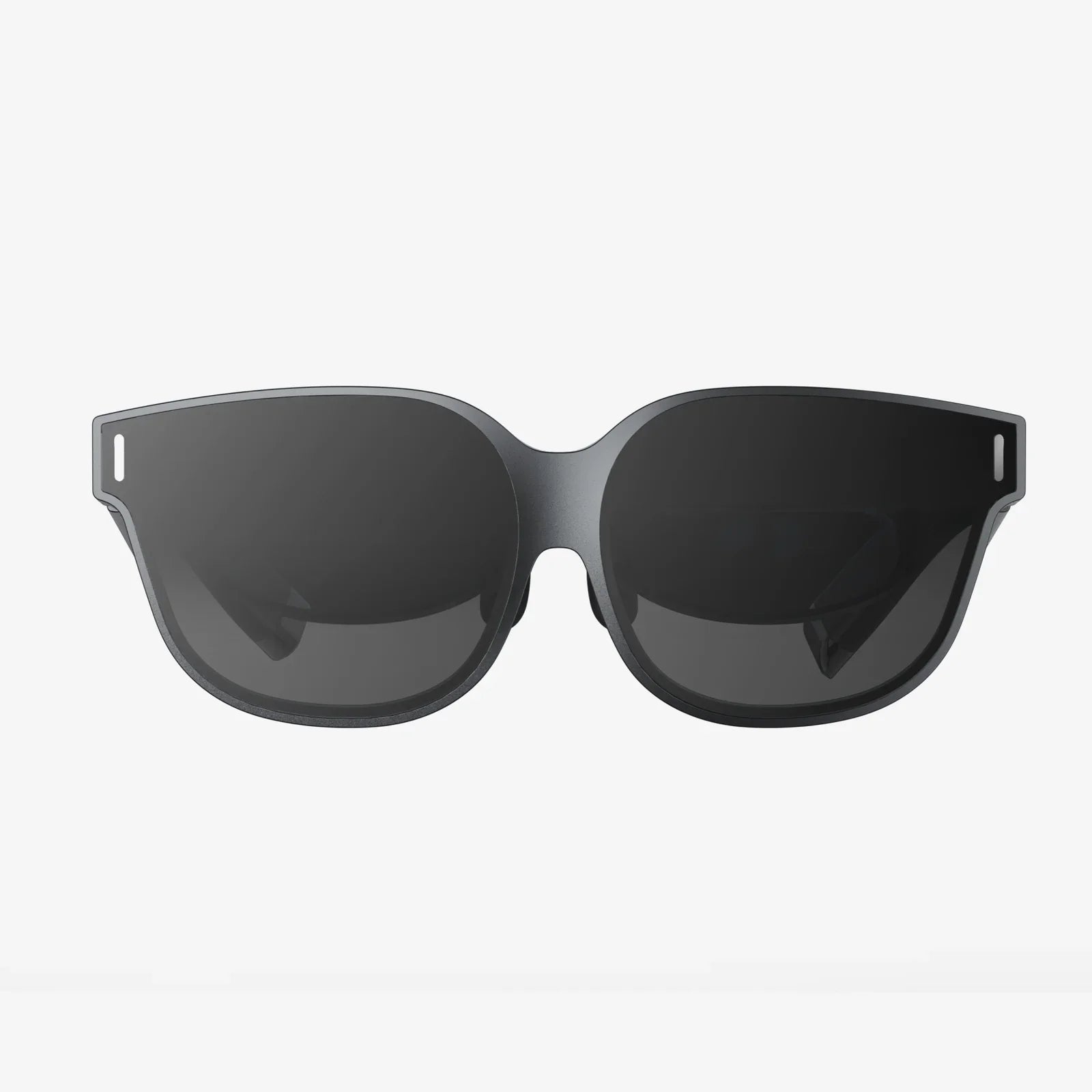
Imagine slipping on a device so lightweight and intuitive that the real world doesn't just fade away—it seamlessly blends with a new one, unlocking experiences from hyper-realistic gaming to global collaboration and beyond. This is the promise of the best consumer VR headset 2025 has to offer, a culmination of years of innovation finally delivering on the technology's vast potential. The barrier between user and virtual environment has been shattered, and the future of computing is now resting comfortably on our heads.
The 2025 VR Landscape: A Paradigm Shift
The virtual reality market in 2025 is unrecognizable from its earlier iterations. We have moved decisively past the era of clunky prototypes and niche enthusiast gear. This year marks a pivotal moment where VR has achieved true consumer maturity. The driving forces behind this revolution are not singular but a confluence of technological breakthroughs. Advancements in micro-optics, pancake lenses, and ultra-high-resolution displays have finally vanquished the screen-door effect, delivering crystal-clear visuals. Simultaneously, leaps in onboard processing power, driven by specialized chipsets, have enabled untethered freedom without compromising on graphical fidelity. The dream of a standalone headset that rivals the power of a high-end gaming personal computer is now a reality, making the best consumer VR headset 2025 offers a truly all-in-one portal to other worlds.
Defining the "Best": Key Features to Prioritize
With several exceptional options available, choosing the right headset is about matching its capabilities to your desires. The term "best" is subjective, but certain features have become non-negotiable for a top-tier 2025 experience.
Visual Fidelity and Display Technology
The most immediate and impactful aspect of any VR experience is what you see. In 2025, the benchmark for visuals is extraordinarily high. Look for headsets boasting:
- 4K+ Resolution per Eye: The standard for high-end devices, ensuring text is razor-sharp and distant objects in virtual environments are clear, not pixelated.
- High Pixel Density (PPD): More important than raw resolution alone, a high PPD indicates how tightly packed the pixels are, directly correlating to clarity and the elimination of the screen-door effect.
- Wide Field of View (FoV): A FoV exceeding 120 degrees is now common, greatly enhancing the feeling of immersion and reducing the "binoculars" effect of earlier models.
- Advanced Pancake Lenses: These have largely replaced Fresnel lenses, allowing for a much slimmer headset design while providing edge-to-edge clarity and drastically reducing glare and god rays.
- HDR and Local Dimming: High Dynamic Range support and full-array local dimming create incredibly vibrant colors, deep blacks, and a contrast ratio that makes virtual scenes feel startlingly real.
Comfort and Ergonomic Design
A headset can have all the technology in the world, but if it's uncomfortable, it will gather dust. Design philosophy in 2025 is ruthlessly focused on wearability.
- Lightweight and Balanced: The best headsets use advanced materials like magnesium alloys and carbon fiber to achieve a weight distribution that feels secure without pressing heavily on the cheeks or bridge of the nose.
- Modularity: Interchangeable facial interfaces (foam, silicone, gel) and strap systems (elastic, rigid halo-style) allow users to customize the fit perfectly for their head shape and preferred activities.
- Active Cooling and Ventilation: Sophisticated, silent cooling systems prevent lens fogging and keep the user's face comfortable during extended sessions.
Performance and Processing Power
The brain of the operation is what separates a good experience from a great one. The silicon inside today's best headsets is a marvel.
- Next-Generation SoCs: Custom-built systems-on-a-chip are designed specifically for the parallel processing demands of VR, handling complex physics, high-resolution rendering, and advanced AI simultaneously.
- Untethered Freedom: While a wired connection to a powerful computer remains an option for the absolute highest-end gaming, the standalone performance of 2025's devices is so potent that it has become the primary mode of use for most consumers.
- Intelligent Performance Scaling: Advanced software can dynamically adjust rendering resolution and effects based on the complexity of the scene and the headset's current battery level, ensuring smooth performance at all times.
Tracking and Controllers
How you interact with the virtual world is just as important as how you see it. Tracking has become so accurate it feels like magic.
- Inside-Out Tracking Maturity: External sensors are obsolete. Multiple high-resolution, wide-angle cameras mounted on the headset itself track the environment and controllers with sub-millimeter precision, even in low-light conditions.
- Eye and Face Tracking: This is the killer feature for social presence and accessibility. Cameras track your eye movements and facial expressions, translating them onto your avatar in real-time. This allows for natural non-verbal communication and enables foveated rendering, where the headset renders only the area you are directly looking at in full resolution, a massive performance booster.
- Haptic Feedback Evolution: Controllers and even the headsets themselves now feature advanced haptic engines that provide nuanced feedback, from the gentle brush of a leaf to the recoil of a powerful tool.
Software, Ecosystem, and the "Metaverse"
Hardware is nothing without software. The ecosystem surrounding a headset is critical to its long-term value.
- Robust Content Library: Access to a vast store of high-quality games, fitness applications, creative tools, and experiential media is essential.
- Productivity Suite: The best consumer VR headset 2025 offers isn't just for play. It's a spatial computer. Native support for virtual monitors, web browsing, and collaborative workspaces allows users to replace their physical multi-monitor setup with a limitless virtual one.
- Interoperability and Open Standards: While walled gardens still exist, the leading platforms are moving towards open standards, allowing avatars and purchased items to travel between compatible virtual spaces and applications, giving true meaning to the concept of a persistent metaverse.
Beyond Gaming: The Expanding Universe of VR Applications
While gaming remains a powerhouse driver, the value proposition of VR in 2025 extends far beyond it. The headset is becoming a general-purpose tool for life enhancement.
Social Connection and Telepresence
Video calls feel archaic compared to sharing a virtual space. With realistic avatars driven by eye and face tracking, meetings, concerts, and family gatherings in VR carry the emotional weight and nuance of being physically together, collapsing geographical barriers in a profoundly human way.
Fitness and Wellness
VR fitness has evolved into a legitimate industry. Immersive workouts, from boxing and rhythm games to simulated hiking and yoga, make exercise engaging and fun. Furthermore, applications for meditation and mental wellness use immersive, calming environments to guide users through mindfulness exercises, reducing stress and improving mental health.
Productivity and Remote Work
The virtual office is now a practical reality. Professionals can design their ideal workspace with massive, floating screens, whiteboards, and 3D models, all accessible from anywhere in the world. Collaboration feels natural as colleagues can point, draw, and manipulate digital assets together in real-time as if they were in the same room.
Education and Training
From medical students practicing complex surgical procedures to mechanics learning the intricacies of a new engine, VR provides a safe, scalable, and incredibly effective platform for experiential learning. The ability to make mistakes without real-world consequences accelerates mastery and retention.
Future Gazing: What Lies Beyond 2025?
The pace of innovation shows no signs of slowing. The trends we see today hint at an even more immersive tomorrow. Research into varifocal displays, which dynamically adjust focus to match the depth of the virtual object you're looking at, promises to solve the vergence-accommodation conflict, the last major visual hurdle to perfect realism. Brain-computer interfaces are moving from science fiction to lab experiments, potentially allowing for control through thought alone. Furthermore, the integration of artificial intelligence on a deep level will enable dynamically generated worlds and intelligent virtual characters that can hold unique conversations, making every experience truly one-of-a-kind.
The journey to find the perfect portal to virtual worlds no longer feels like a quest for a distant future; it’s a shopping decision you can make today, with options that cater to every dream and purpose. The best consumer VR headset 2025 delivers isn't just a piece of technology—it's a key, waiting to unlock doors to unimaginable experiences, redefine how you connect, and fundamentally expand the very definition of what is possible from the comfort of your home.
Share:
Brand New VR Headset: The Unprecedented Leap Into a Hyper-Realistic Digital Frontier
Brand New VR Headset: The Unprecedented Leap Into a Hyper-Realistic Digital Frontier