


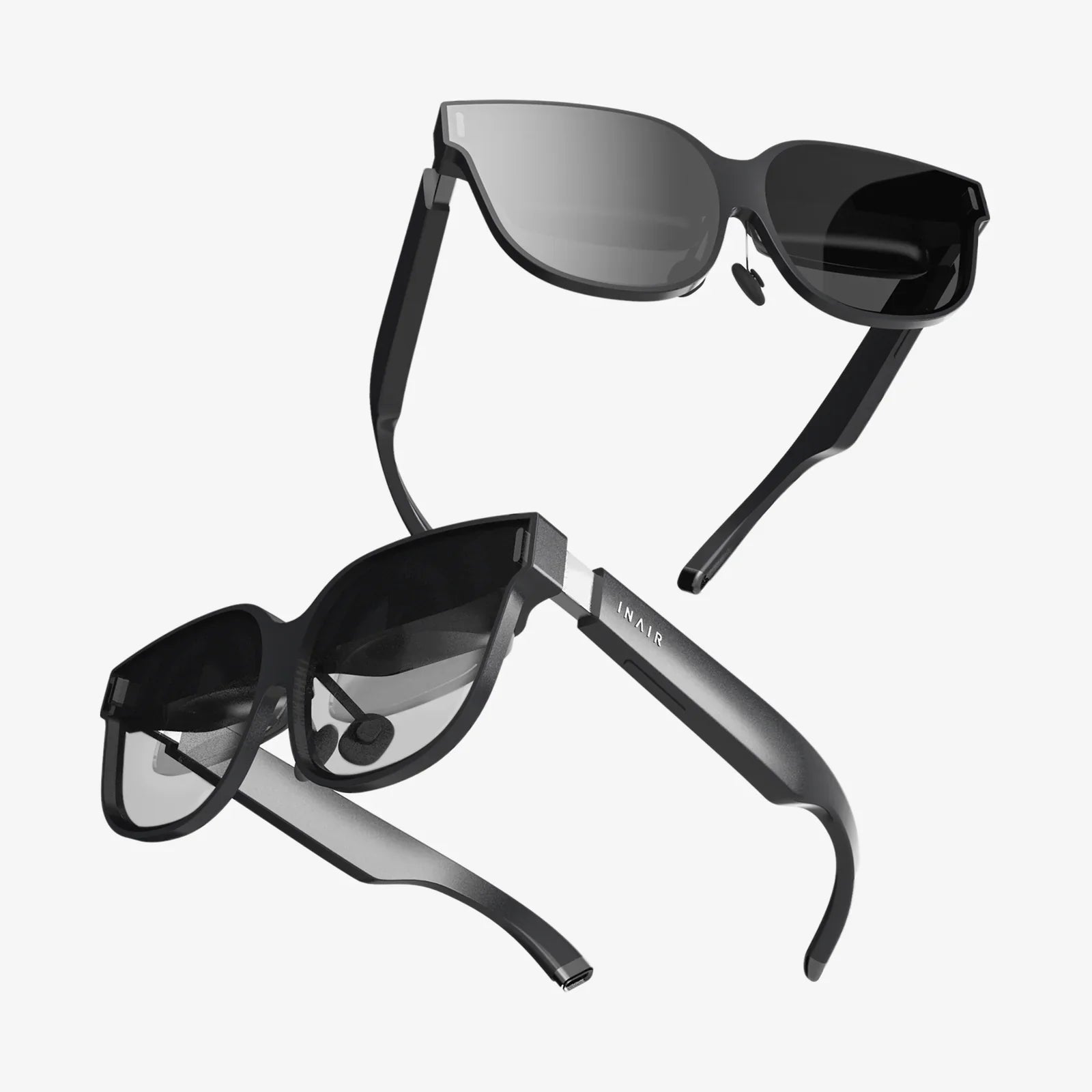
Imagine a world where digital information seamlessly blends with your physical surroundings, where instructions float over machinery, historical figures step out of textbooks, and your workspace extends infinitely beyond the confines of a monitor. This is the promise of augmented reality, a technology rapidly moving from science fiction to everyday utility. But this vision hinges on a critical, often overlooked component: the powerful engine that drives it all. The quest for the perfect immersive experience begins not just with the headset itself, but with finding the best device for AR headset performance. The right foundation can mean the difference between a jittery, unconvincing demo and a truly transformative tool that changes how you work, create, and play.
The Heart of the Experience: Processing Power and Graphics
At the core of any high-fidelity AR experience lies immense computational demand. Unlike virtual reality, which creates a entirely digital world, AR must perform a constant, real-time dance between the physical and the virtual. This requires a device with exceptional processing power.
The central processing unit (CPU) acts as the brain, managing the complex tasks of spatial mapping, object recognition, and running the operating system. A multi-core processor with high clock speeds is non-negotiable for smooth performance. When the CPU is overwhelmed, users experience lag, which quickly breaks immersion and can lead to discomfort.
Equally critical is the graphics processing unit (GPU). This component is responsible for rendering the high-resolution 3D models, textures, and effects that are composited onto your view of the real world. A powerful GPU ensures that digital objects look solid, realistic, and are anchored firmly in your environment without flickering or drift. It handles lighting calculations, shadows, and reflections, making the virtual elements feel like they truly belong. For the most advanced AR applications, particularly those used in design, engineering, and complex simulation, a dedicated, high-end GPU is an absolute necessity. Integrated graphics often struggle with the relentless rendering demands, resulting in a subpar experience.
Freedom to Move: The Critical Role of Connectivity
How a device connects to an AR headset fundamentally shapes the user experience. There are two primary paradigms, each with its own ideal hardware profile.
Tethered (Wired) Connections
This setup involves a physical cable connecting the headset to a separate processing unit, typically a high-end computer or a console. The primary advantage here is raw, uncompromised power. By leveraging the components of a stationary device, tethered systems can deliver the highest possible graphical fidelity, detail, and computational complexity. They are the standard for professional and industrial applications where performance cannot be sacrificed.
The ideal device for a tethered AR headset is a desktop-class machine with a potent CPU, a top-tier GPU, and ample RAM. This configuration allows developers to create incredibly detailed and responsive AR environments for tasks like architectural visualization, medical training, or complex data overlay in manufacturing. The obvious trade-off is mobility; users are confined to the length of their cable.
Untethered (Wireless) Connections
This category includes standalone headsets with all computing built-in, as well as systems that wirelessly stream data from a separate device. The holy grail here is complete freedom of movement without being shackled by wires.
Standalone headsets contain a complete computing system—SoC (System on a Chip), memory, and battery—within the wearable itself. The best device in this case is the headset, and its quality is determined by the efficiency and power of its integrated mobile processor. These are fantastic for consumer applications, training, and navigation where convenience and mobility are paramount.
The other wireless method involves a local streaming connection, often over Wi-Fi 6 or 6E, from a powerful nearby device to a simpler headset. This setup aims to offer a middle ground: the user wears a lighter, less bulky headset while a nearby computer handles the heavy lifting. The quality of this experience is entirely dependent on the strength and stability of the wireless signal and the power of the host device.
Beyond the Chip: Essential Supporting Features
While CPU and GPU are the stars, a supporting cast of features is essential for a complete and reliable AR platform.
- Thermal Management: Sustained high-performance computing generates significant heat. A device must have an advanced cooling system—whether active fans or sophisticated passive heat dissipation—to prevent thermal throttling. When a device overheats, it automatically reduces processor speed to cool down, causing the AR experience to become choppy and unstable just when you need it most.
- Memory (RAM): Augmented reality applications are notoriously memory-intensive. They must hold vast amounts of data for the environment, 3D models, and the operating system itself. A minimum of 8GB RAM is essential for basic functionality, but 16GB or more is recommended for professional and demanding applications to ensure smooth multitasking and quick loading of assets.
- Ports and Expansion: For tethered setups, the type and version of ports are critical. A high-speed port is necessary to transmit the enormous amount of data flowing between the device and the headset with zero latency. Older or slower ports can become a bottleneck, degrading visual quality and increasing lag.
- Battery Life (for mobile devices): If using a high-end smartphone or tablet as the processing source for a companion headset, battery life is a major concern. AR is a power-hungry technology that can drain a battery remarkably quickly. The best mobile devices for AR feature large-capacity batteries and efficient power management systems to extend usable session times.
Matching the Device to the AR Headset Type
Not all AR headsets are created equal, and neither are their processing needs. The "best" device is entirely contextual to the headset's design and purpose.
Consumer-Grade Smartphone AR
This is the most accessible tier of AR, using a smartphone's camera and screen to overlay digital content. The best device here is a modern smartphone with a high-resolution display, a powerful mobile processor, a superior camera system for accurate tracking, and an inertial measurement unit (IMU). These devices are optimized for short-burst experiences like gaming, trying on furniture, or interactive marketing.
Enterprise and Professional Standalone Headsets
These self-contained wearables are designed for all-day use in fields like logistics, manufacturing, and field service. The best device is the headset itself, engineered for durability, comfort, and performance. Key differentiators include a wide field of view, enterprise-grade tracking cameras, and software optimized for specific industrial tasks. Their processing power, while mobile, is robust enough to run complex enterprise software suites reliably.
Tethered Powerhouse Systems
At the pinnacle of AR are headsets designed for the most graphically intense applications—surgical guidance, advanced engineering design review, or photorealistic immersive training. These systems are purely tethered and demand a device with no compromises: a desktop-class CPU, a professional-grade GPU with ample VRAM, maximum RAM, and fast storage. This is the domain of specialized workstations built to handle relentless computational loads for hours on end.
The Software Symbiosis: Operating Systems and Platforms
Hardware is nothing without software. The device's operating system and the available AR development platforms (ARCore, ARKit, OpenXR) play a huge role in determining compatibility and capability. A device might have powerful hardware, but if it lacks support for the latest AR frameworks or drivers optimized for low-latency rendering, the experience will suffer. The best device will have its hardware finely tuned to its operating system, ensuring that the AR software can leverage every ounce of available power efficiently. This synergy between silicon and code is what creates truly magical and stable AR experiences.
Future-Proofing Your Investment
AR technology is advancing at a breakneck pace. New headsets with higher resolutions, wider fields of view, and more advanced sensors are always on the horizon. When selecting a device to power your AR journey, it's wise to think about future-proofing. Opting for a device with more power than you currently need provides headroom for more demanding software updates and future headset upgrades. Investing in a robust system now ensures you won't be locked out of the next wave of immersive applications tomorrow.
Ultimately, the landscape of augmented reality is one of incredible potential, waiting to be unlocked. The magic doesn't reside solely in the glasses you wear but in the silent, powerful engine humming away, executing billions of calculations per second to weave a new layer of reality before your eyes. Choosing that engine wisely is the first and most important step on the path to immersion.
Your journey into a seamlessly blended world is just one decision away. The right hardware foundation awaits to transform your reality, unlocking productivity and creativity you never thought possible. Stop imagining the future and start building it with the perfect core for your augmented ambitions.
Share:
VR Headset Refresh Rate: The Ultimate Guide to Visual Fluency and Immersion
VR Headset Refresh Rate: The Ultimate Guide to Visual Fluency and Immersion