


- by wangfred
Best Digital Product Ideas 2025: The Future of Innovation and Profitability
- by wangfred
The digital landscape is a relentless tide of innovation, where yesterday's breakthrough is today's commodity and tomorrow's forgotten relic. For the visionary entrepreneur, the ambitious developer, and the forward-thinking investor, the question isn't just about what's popular now, but what will be essential in the near future. The year 2025 is rapidly approaching, bringing with it a new set of technological paradigms, consumer behaviors, and global challenges that will define the next generation of successful digital products. Identifying the best digital product ideas for 2025 requires looking beyond current trends to the foundational shifts in how we live, work, and interact with technology. This isn't about chasing fads; it's about building for a future that is more integrated, intelligent, and immersive. The opportunities are vast for those ready to build solutions that are not just technologically impressive but deeply human-centric, addressing real needs in a rapidly evolving world.
The current state of artificial intelligence, while advanced, is largely reactive. We ask a voice assistant a question, it provides an answer. We use a recommendation engine, it suggests a product. The future, however, lies in proactive, predictive, and deeply personalized AI ecosystems that act as digital extensions of our will. The best digital products in 2025 will not just respond to commands but will anticipate needs and automate complex workflows seamlessly.
Imagine a secure, private digital avatar that learns your preferences, habits, goals, and even your cognitive patterns. This 'digital twin' could manage your schedule by not just adding appointments but understanding their context and importance. It could pre-emptively research topics for your upcoming work project, curate a learning path for a new skill you've shown interest in, and even manage your smart home ecosystem to optimize for energy savings and comfort based on your real-time location and personal rhythms. The product idea is a comprehensive life-operating system, a single AI agent that interoperates with all your other software and devices, moving from a tools-based digital experience to an agent-based one.
Moving beyond basic fitness trackers, the next wave of digital health products will synthesize data from wearables, environmental sensors, and personal genetic information (with user consent) to offer hyper-personalized health insights. This could include predicting potential micronutrient deficiencies based on diet logs and activity levels, offering pre-emptive mental wellness interventions by analyzing sleep patterns and speech tones for signs of stress, and creating truly customized fitness regimens that adapt in real-time to your body's feedback. The core of this idea is moving from reactive healthcare to predictive and preventive wellness, all managed through an intuitive digital platform.
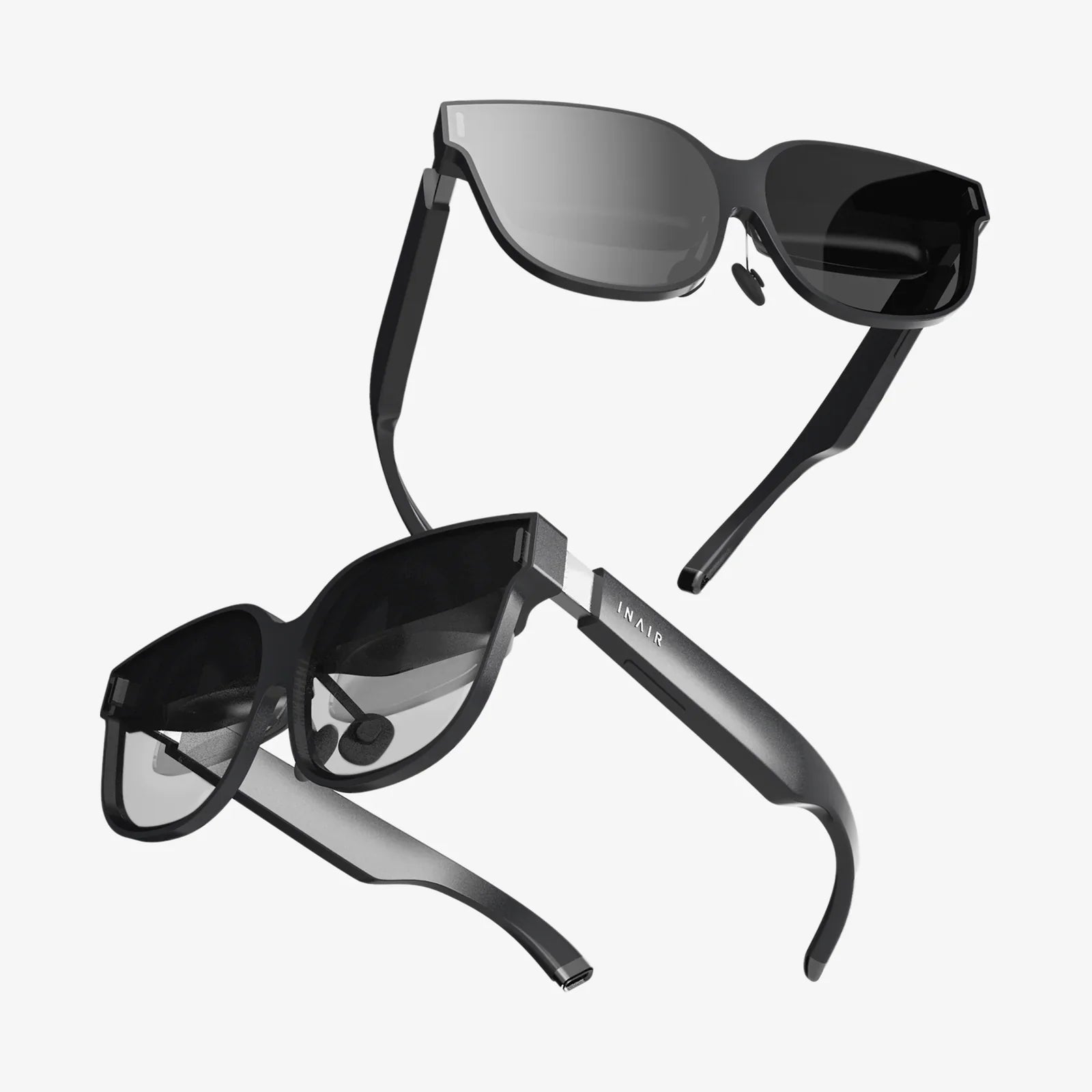
The concept of the internet as a separate space we visit on a rectangular screen is becoming obsolete. The best digital product ideas for 2025 will dissolve the barrier between the digital and the physical, creating immersive, contextual, and spatially-aware experiences through Augmented Reality (AR) and Virtual Reality (VR).
This product category focuses on overlaying precise digital instructions onto the physical world. A mechanic repairing a complex engine could see step-by-step holographic guides highlighting exactly which bolt to turn next. A medical student could practice procedures on a holographic patient. A homeowner could see wiring and plumbing behind their walls simply by looking through AR glasses. The platform would connect experts with novices in real-time, allowing the expert to see what the novice sees and annotate the real world with guidance. This drastically reduces the learning curve for complex tasks and democratizes access to expert knowledge.
Following the shift to remote work, digital products that facilitate more natural and effective collaboration are crucial. The next step is virtual workspaces that feel physical. Instead of a flat video call, teams would don VR/AR headsets and meet as lifelike avatars in a virtual office, complete with whiteboards that feel real, 3D models they can manipulate together, and the subtle body language cues lost in 2D video. This idea extends beyond business to social spaces—virtual concert venues, immersive museum tours, and social hubs where physical distance becomes irrelevant to the quality of interaction.
As climate change concerns become increasingly urgent, consumers and corporations are actively seeking tools to reduce their environmental impact. Digital products that empower and incentivize sustainable living will be a massive growth area in 2025.
This idea involves a comprehensive platform that automatically tracks an individual's or a company's carbon footprint by connecting to bank accounts (for spending on travel, energy, food), smart home devices (energy usage), and mobility apps (miles driven or flown). The platform would then provide a clear, dashboard-style view of their impact, offer personalized recommendations for reduction, and provide a seamless marketplace to purchase verified carbon offsets or invest in green projects. Gamification and social features could encourage community competition and accountability.
A digital marketplace and logistics platform dedicated entirely to the repair, reuse, resale, and recycling of goods. Using image recognition and AI, the platform could instantly identify a product, assess its condition, provide a valuation, and connect the user with a vetted network of repair specialists, resale marketplaces, or recycling centers. For manufacturers, it could offer SaaS tools to design products for easier disassembly and recycling, creating a closed-loop system. This product tackles waste and consumption head-on by making sustainability the most convenient and economically attractive option.
Growing distrust of centralized tech giants and a desire for true digital ownership are fueling the evolution toward Web3. The best ideas here aren't just about cryptocurrency speculation but about building usable, scalable applications that leverage blockchain technology to return control and value to users.
This product would act as a secure digital vault for your personal identity—passports, driver's licenses, professional credentials, health records—all cryptographically verified and owned by you. Instead of handing over your data to every new app or website, you would grant temporary, permissioned access to specific pieces of information without ever surrendering the master copy. This could revolutionize everything from online age verification and KYC processes to managing medical history, giving individuals unprecedented control over their digital selves.
While content creation platforms exist today, they take a significant cut of earnings and often own the relationship with the creator's audience. A next-generation platform would use blockchain to allow creators to mint exclusive content, experiences, and communities as digital assets (e.g., NFTs). Fans could truly own a piece of the creator's journey, trading access passes or special artwork, while the creator earns a royalty on every subsequent transaction in a secondary market. This creates a new model for fan support that is more equitable and community-owned than the ad-based or subscription-only models of today.
As our lives become more digitally intertwined, the potential damage from cyber threats grows exponentially. The digital products that will thrive in 2025 are those that offer enterprise-grade security and resilience in a simple, affordable package for individuals and small businesses.
This is more than just an antivirus suite. It's an all-in-one subscription service that continuously monitors the dark web for leaked personal data (emails, passwords, financial info), provides easy-to-use encrypted communication and file storage tools, manages and generates complex unique passwords, and even offers digital identity theft insurance and recovery assistance. In a world of constant breaches, this product offers peace of mind and proactive protection, acting as a personal chief security officer.
Small and medium-sized businesses are increasingly targeted but often lack the resources for a full IT security team. This product idea is a comprehensive, affordable SaaS platform that offers automated security audits, employee phishing training simulations, encrypted backup and disaster recovery solutions, and a 24/7 incident response hotline. It would package complex security tools into a simple, manageable dashboard, making robust digital resilience accessible to the backbone of the economy.
The horizon of 2025 shimmers with potential, not for incremental updates, but for fundamental reinvention. The most successful digital products will be those that understand the core human desires beneath the technology: the desire for more time, better health, deeper connection, genuine security, and a sustainable future. They will leverage the convergence of AI, immersive interfaces, and decentralized architectures not for their own sake, but to create experiences that feel less like using a tool and more like having a superpower. The winners in this new era won't just sell software; they will sell a better, smarter, and more empowered way of living. The blueprint is here; the future belongs to those who start building it today.