


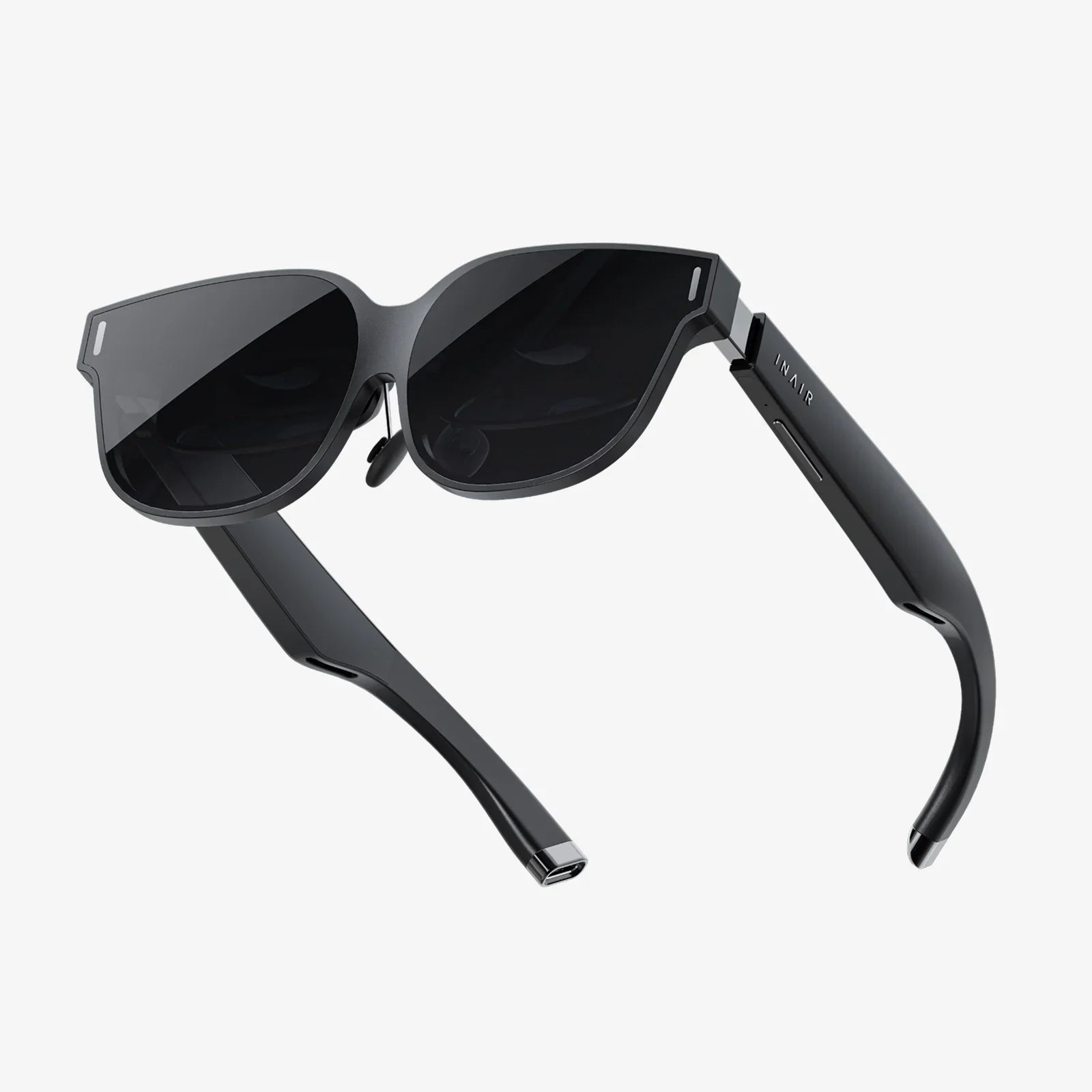
Imagine stepping into breathtaking virtual worlds, exploring distant planets, or enjoying heart-pounding games without emptying your bank account. The search for immersive digital experiences has led many to discover the hidden gems of the VR world: generic headsets that deliver astonishing quality at a fraction of the cost of big-name brands. These unsung heroes of virtual reality are quietly revolutionizing how we access digital realms, making cutting-edge technology available to everyone from curious beginners to seasoned enthusiasts. If you've been wondering whether an affordable, unbranded headset can truly deliver a premium experience, prepare to have your expectations shattered as we dive deep into the universe of generic VR.
The Allure of the Unbranded: Why Consider a Generic VR Headset?
When virtual reality first burst onto the consumer scene, it was dominated by a handful of well-known manufacturers with premium price tags to match their cutting-edge technology. But as with any maturing technology, the market has expanded to include countless alternatives that offer comparable experiences without the brand-name markup. Generic VR headsets have emerged as legitimate contenders in the immersive technology space, providing access to virtual worlds for those who prioritize value without wanting to sacrifice too much in terms of quality and functionality.
The appeal of these devices extends far beyond mere cost savings. For many users, generic headsets represent a low-risk entry point into VR without the financial commitment required by flagship devices. They're perfect for parents hesitant to invest heavily in technology their children might quickly abandon, educators looking to implement VR in classrooms without breaking their budgets, or developers seeking affordable test devices. The democratization of VR through these accessible options has opened the technology to entirely new audiences who would otherwise remain on the sidelines.
Another significant advantage of generic VR headsets lies in their remarkable versatility. Many of these devices are designed to work seamlessly with smartphones, leveraging the powerful processors and high-resolution displays that users already own. This approach eliminates redundant technology while maximizing the utility of existing devices. Furthermore, the open nature of many generic VR platforms often means fewer restrictions on content sources and greater flexibility in how the technology can be implemented and customized for specific needs.
Key Features to Evaluate in a Quality Generic Headset
Not all generic VR headsets are created equal, and discerning the quality options from the mediocre requires understanding which features genuinely impact the user experience. While specifications might vary across models and manufacturers, several critical elements separate the exceptional generic headsets from those that will leave you disappointed.
Visual Performance and Display Quality
The visual experience represents the heart of any VR system, and display quality should be your primary consideration when evaluating options. Look for headsets with high-resolution capabilities that can minimize the screen door effect—that distracting grid pattern that can appear when pixels are visible within the display. Many quality generic options now offer resolutions that rival or even exceed those found in earlier generations of branded headsets.
Field of view (FOV) represents another crucial visual metric. Measured in degrees, FOV determines how much of your vision is filled by the virtual environment. A narrow field of view can create a distracting tunnel-vision effect that diminishes immersion, while a wider perspective makes the experience feel more natural and engaging. While premium headsets might offer extremely wide fields of view, many generic models now provide between 90 and 110 degrees, which represents the sweet spot for convincing immersion without excessive cost.
Lens quality dramatically affects visual comfort and clarity. Look for headsets with adjustable lenses that can accommodate different visual acuities and interpupillary distances. High-quality lenses will minimize distortion at the edges of your vision and reduce chromatic aberration (color fringing). Some better generic models even include aspherical or Fresnel lenses that help create sharper images across the entire visual field.
Comfort and Ergonomic Design
Even the most visually impressive headset becomes useless if it's uncomfortable to wear for more than a few minutes. Comfort considerations extend beyond mere padding and include weight distribution, adjustability, and materials quality. Well-designed generic headsets typically feature adjustable head straps that securely fit various head sizes and shapes without creating uncomfortable pressure points.
Weight distribution plays a critical role in long-term comfort. Headsets that place too much weight on the front can strain the neck and facial muscles, leading to fatigue that pulls you out of the experience. Quality designs balance the weight more evenly across the head or provide additional support at the rear. Ventilation is another often-overlooked factor—adequate airflow prevents lens fogging and reduces heat buildup during extended sessions.
Materials matter more than you might expect. While many budget options utilize plastics that can feel cheap and fragile, better generic headsets often incorporate reinforced materials that provide durability without adding excessive weight. Padding should be made from breathable, hypoallergenic materials that are easily removable for cleaning, an especially important consideration if multiple users will share the device.
Tracking and Controller Capabilities
For truly immersive VR, precise tracking of head and controller movements is essential. While early generic headsets often relied solely on smartphone sensors for basic rotational tracking, many contemporary options incorporate additional external sensors or camera-based systems for full positional tracking. This technology allows you to move naturally within virtual spaces rather than being limited to looking around from a fixed point.
Controller design and responsiveness significantly impact how naturally you can interact with virtual environments. Quality generic systems typically include motion controllers with adequate button layouts, ergonomic designs, and precise tracking capabilities. Haptic feedback—subtle vibrations that correspond to in-game actions—adds another layer of immersion that separates adequate controllers from exceptional ones.
Compatibility with different tracking ecosystems represents another consideration. Some generic headsets work with established tracking systems, while others utilize proprietary technology. Understanding the tracking capabilities and limitations before purchase can prevent disappointment when you discover certain games or experiences don't function as expected with your chosen hardware.
Connectivity and Content Compatibility
The best hardware becomes useless without access to compelling content. Fortunately, many generic VR headsets now offer impressive compatibility with major VR platforms and content stores. This openness allows users to access thousands of games, experiences, and applications without being locked into a single ecosystem.
Connectivity options have expanded significantly beyond the smartphone-based models that dominated the early generic market. Many current headsets connect directly to computers or gaming consoles, offering experiences that rival dedicated systems. Wireless capabilities have particularly revolutionized the generic VR space, eliminating tripping hazards and freedom-of-movement restrictions that plagued earlier tethered systems.
When evaluating connectivity, consider both the physical ports available and the wireless protocols supported. Look for headsets that support contemporary standards that ensure compatibility with a wide range of devices both now and in the foreseeable future. Software support and regular firmware updates also indicate a manufacturer committed to maintaining compatibility as platforms evolve.
Understanding Different Types of Generic VR Systems
The term "generic VR headset" encompasses several distinct approaches to virtual reality, each with unique advantages and limitations. Understanding these categories will help you identify which type best aligns with your needs, expectations, and existing technology ecosystem.
Smartphone-Based VR Headsets
These represent the most accessible entry point into virtual reality, leveraging the smartphone you already own as both the processor and display. The headset itself essentially serves as a sophisticated holder that includes lenses, sensors, and sometimes additional input mechanisms. The obvious advantage of this approach is cost—since you're not paying for redundant components, these systems offer incredible value.
Modern smartphone-based VR has evolved significantly from the cardboard viewers that first popularized the concept. Contemporary models often include improved optics, better ergonomics, and integrated controllers that enhance the experience beyond basic media consumption. While performance is inherently limited by your phone's capabilities, the latest smartphones can deliver surprisingly convincing VR experiences that rival dedicated systems from just a few years ago.
The primary limitation of smartphone VR lies in its dependence on mobile processing power, which restricts the complexity of experiences available. Additionally, prolonged use can drain battery life quickly and may cause devices to heat up. Despite these limitations, this category remains an excellent starting point for VR newcomers or those seeking primarily media consumption capabilities.
Standalone VR Systems
Standalone generic headsets represent the middle ground between smartphone VR and tethered systems. These all-in-one devices incorporate their own displays, processors, batteries, and tracking systems, eliminating the need for external devices beyond controllers. The convenience of not being tethered to a phone or computer makes these systems incredibly appealing for users seeking flexibility and simplicity.
The performance of standalone generic VR has improved dramatically in recent years, with many models now capable of running sophisticated games and experiences that previously required powerful computers. Wireless freedom combined with respectable performance makes these systems ideal for shared spaces, educational environments, or anyone who values convenience without wanting to invest in a premium branded system.
Battery life remains the primary limitation for standalone systems, with most offering between two and three hours of continuous use depending on the intensity of applications. The closed nature of some standalone systems can also limit content options compared to more open platforms, though many generic manufacturers have embraced compatibility with major content stores.
Tethered PC/Console VR Headsets
For users seeking the highest possible performance from generic VR, tethered systems connected to powerful computers or gaming consoles deliver experiences that can rival—and sometimes surpass—premium branded options. These headsets function primarily as displays and sensors, offloading the heavy computational work to external devices with more capable hardware.
The obvious advantage of tethered systems is performance. By leveraging the power of modern graphics cards and processors, these headsets can deliver stunning visual fidelity, complex environments, and highly sophisticated experiences that simpler systems cannot manage. For serious gamers, simulation enthusiasts, or professional applications, tethered generic VR offers an incredible price-to-performance ratio.
The primary drawback of tethered systems is the literal tether—the cable connecting the headset to the computer restricts movement and can create immersion-breaking moments if users become entangled. However, some wireless adapters and solutions have begun to address this limitation. Additionally, these systems require compatible hardware, meaning the total cost extends beyond just the headset itself if you don't already own a capable computer.
Setting Realistic Expectations: What Generic VR Can and Cannot Do
Approaching generic VR with appropriate expectations is crucial to satisfaction with your purchase. While the technology has advanced remarkably, understanding the limitations alongside the capabilities will help you make an informed decision and avoid disappointment.
Modern generic VR headsets excel at delivering immersive media consumption experiences. Watching 360-degree videos, exploring virtual environments, and enjoying cinematic experiences represent strengths where many generic models perform nearly identically to their branded counterparts. The visual quality for these applications has reached a point where most users would be hard-pressed to identify quality differences between generic and branded options in blind tests.
Gaming performance varies more significantly across the generic VR spectrum. While basic and intermediate gaming experiences work beautifully on many generic systems, the most graphically intensive games might show limitations on lower-end devices. That said, the vast library of VR content includes thousands of titles that run flawlessly on generic hardware, particularly when those systems are properly matched with compatible host devices.
Where generic VR typically shows its limitations is in specialized advanced features like eye tracking, facial expression capture, or full-body tracking. These cutting-edge technologies remain mostly confined to premium branded systems, though the gap continues to narrow as technology trickles down to more affordable options. For the majority of users who don't require these specialized capabilities, generic VR delivers more than enough functionality.
Build quality and materials represent another area where expectations should be tempered. While many generic manufacturers produce remarkably well-constructed devices, they typically can't match the premium materials and finishing touches found on flagship branded products. The difference is often cosmetic rather than functional, but perfectionists might notice details that don't meet the highest standards of fit and finish.
Maximizing Your Generic VR Experience
Once you've selected the right generic headset for your needs, several strategies can help you get the most from your investment. Proper setup, optimization, and content selection can dramatically enhance your satisfaction with even modest hardware.
Calibration is perhaps the most overlooked aspect of VR setup. Taking time to properly adjust IPD (interpupillary distance), lens focus, and head strap positioning can transform a mediocre experience into an excellent one. Many users never discover that their discomfort or visual issues stem from improper adjustment rather than hardware limitations. Reference the manufacturer's guidelines for optimal setup and don't hesitate to experiment with different configurations.
Content optimization makes a significant difference in performance and visual quality. Many VR applications include settings that allow tuning for different hardware capabilities. Adjusting rendering resolution, texture quality, and effects can dramatically improve performance on less powerful systems. Similarly, ensuring your host device (whether computer or smartphone) is optimized for VR—closing background applications, updating drivers, and enabling performance modes—can eliminate stuttering and lag.
Environmental considerations significantly impact VR enjoyment. Ensure you have adequate space for safe movement, proper lighting conditions for tracking systems (if applicable), and minimal reflective surfaces that might interfere with sensors. Simple additions like an anti-fatigue mat can enhance comfort during extended standing experiences, while proper cable management (for tethered systems) prevents immersion-breaking tangles and trips.
Regular maintenance extends beyond keeping lenses clean. Checking for firmware updates ensures compatibility with new content and can sometimes deliver performance improvements or new features. Proper storage protects your investment from dust, sunlight damage, and accidental impacts. For multi-user environments, establishing hygiene protocols—especially regarding face interface hygiene—keeps the experience pleasant for everyone.
The Future of Generic VR Technology
The trajectory of generic VR points toward increasingly capable systems at ever-lower price points. Several emerging technologies promise to further narrow the gap between generic and branded VR while opening new possibilities for immersive experiences.
Display technology continues to advance at a remarkable pace, with higher resolutions, faster refresh rates, and improved pixel technologies trickling down to affordable headsets. The once-noticeable gap in visual quality between budget and premium options continues to diminish with each new generation. Future generic headsets will likely offer visual experiences indistinguishable from today's flagship products.
Wireless technology represents another area of rapid advancement. Current generic wireless solutions already provide impressive freedom, but emerging standards promise lower latency, higher bandwidth, and better reliability. The eventual elimination of cables—even for high-performance tethered experiences—will remove one of the last significant advantages of premium systems.
Perhaps most excitingly, the open nature of many generic VR platforms positions them perfectly to benefit from the emerging metaverse concept. Unlike closed ecosystems that might restrict access to certain virtual spaces, generic hardware often embraces compatibility across multiple platforms and standards. This flexibility could make today's generic headsets the perfect passports to tomorrow's interconnected virtual worlds.
As manufacturing processes improve and component costs decrease, features once reserved for premium systems—like eye tracking, variable focus, and enhanced haptics—will inevitably find their way into affordable generic headsets. The democratization of advanced VR technology continues apace, promising incredible immersive experiences for everyone regardless of budget.
Your journey into breathtaking virtual worlds doesn't require a premium price tag—today's best generic VR headsets offer stunning immersion that rivals systems costing three times as much. From crystal-clear visuals that transport you to other realms to precision controllers that make virtual interactions feel natural, the value proposition has never been stronger. As technology continues to advance at a breakneck pace, these affordable gateways to digital experiences keep improving, constantly redefining what's possible without the brand-name markup. The virtual frontier awaits, and now everyone has an affordable ticket to the extraordinary experiences that once seemed reserved for those with unlimited budgets.
Share:
VR Headset Bad For You? The Unsettling Truth About Virtual Reality's Health Impact
For Android 3D VR: The Ultimate Guide to Immersive Mobile Virtual Reality