


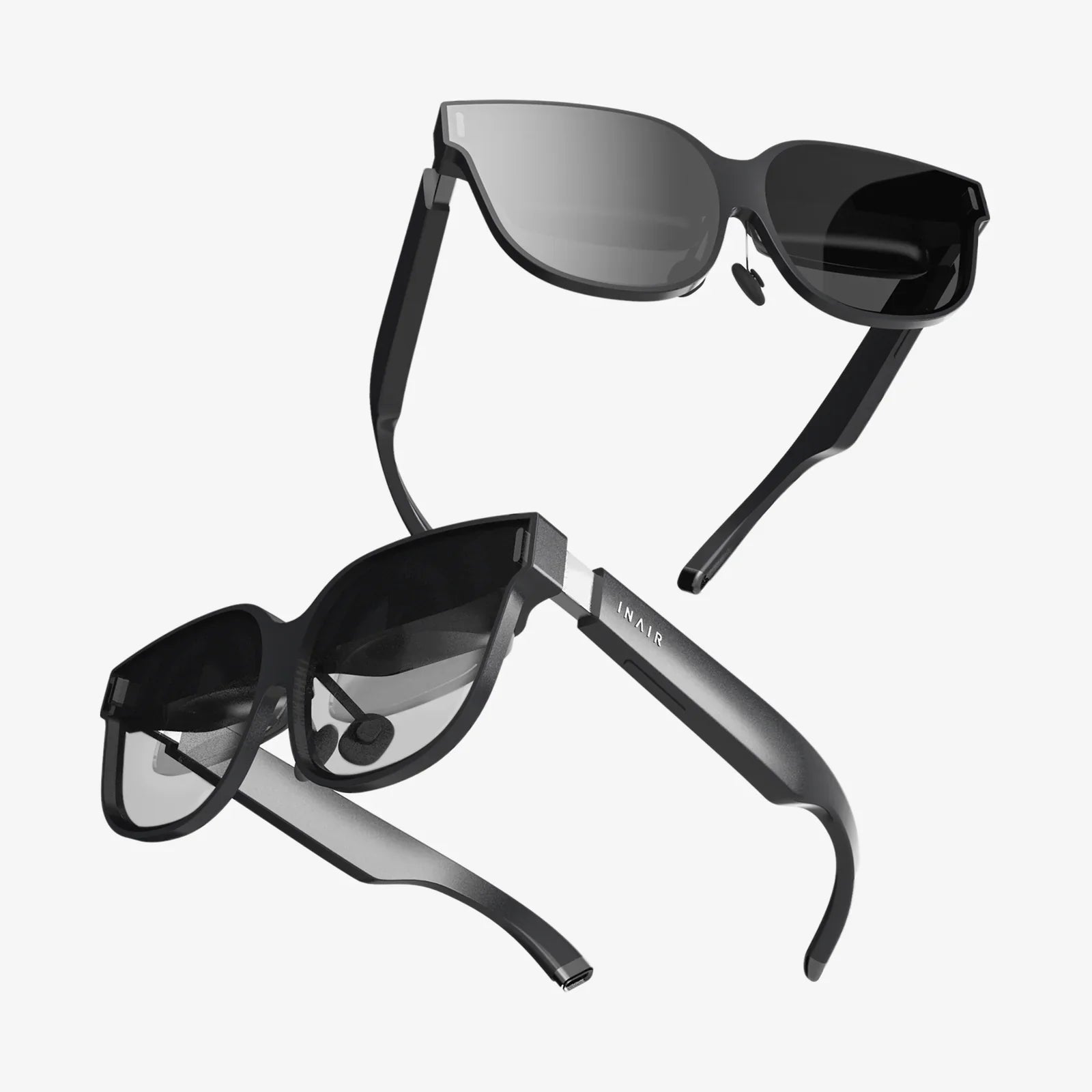
You’ve strapped on your headset, your controllers are charged, and you’re ready to dive into another world. But as the virtual landscape loads, a tinny, distant sound leaks from the headset’s built-in speakers, instantly shattering the illusion. The final, and arguably most critical, frontier for true virtual reality immersion isn’t what you see—it’s what you hear. The quest for the best headphones for a VR headset is a journey into achieving sensory completeness, where every footstep, every whispered secret, and every roaring explosion is rendered with breathtaking clarity and precision, anchoring you firmly in the experience. This isn't just about accessory audio; it's about completing the reality.
The Critical Role of Audio in Virtual Reality
Visuals might build the world, but audio breathes life into it. In virtual reality, sound is not a passive background element; it is an active, dynamic component of the environment and a crucial tool for navigation and interaction. High-quality audio serves several indispensable functions:
- Spatial Awareness and Orientation: Our brains are hardwired to use binaural hearing—the slight differences in time and intensity that sound waves hit each ear—to pinpoint the location of a sound source in three-dimensional space. Premium headphones capable of delivering high-fidelity spatial audio allow you to intuitively know if an enemy is creeping up behind you, if a conversation is happening to your left, or if a bird is chirping high above your head, all without turning around.
- Emotional Impact and Presence: A deep, resonant musical score can elevate a serene moment into something profoundly moving. The subtle rustle of leaves in a virtual forest or the terrifyingly close roar of a dinosaur are what trigger genuine emotional and physiological responses. This is known as "presence"—the visceral, undeniable feeling of actually being in the virtual space. Poor audio quality is the fastest way to break this delicate state.
- Functional Feedback: Audio cues often provide critical feedback for interactions. The satisfying “click” of a virtual button, the specific hum of a powered-on device, or the unique sound of a particular weapon reloading are all audio elements that inform your actions and confirm your successes within the virtual environment.
Key Features to Look for in VR Headphones
Not every pair of headphones is suited for the unique demands of VR. The ideal companion must excel in several specific areas to be considered among the best.
Audio Quality and Fidelity
This is the foundation. You need a driver system that can produce a wide frequency range, from the deepest sub-bass rumbles to the crispest high-frequency details, without distortion even at high volumes. A wide soundstage—the perceived spatial width of the audio—is also vital, making the auditory world feel expansive and open rather than cramped and inside your head.
Comfort and Ergonomics for Extended Play
VR sessions can last for hours. The best headphones for a VR headset must be lightweight to avoid adding significant pressure to your head and neck, which are already supporting the weight of the headset. Plush, breathable ear cups that fully encompass the ears (over-ear design) are generally preferred for their superior comfort and passive noise isolation. The headband should be adjustable and well-padded to distribute weight evenly without creating hot spots.
Design and Form Factor: On-Ear, Over-Ear, and In-Ear
- Over-Ear (Circumaural): These are often the gold standard for VR. They provide excellent sound isolation, immersive bass response, and typically offer the greatest comfort for long periods. Their larger size can sometimes cause interference with the headset's strap, but many are designed with this in mind.
- On-Ear (Supra-aural): These sit directly on the ears. While they can be more compact and less bulky, they often exert more pressure on the pinna (the outer ear) and provide less effective noise isolation, which can lead to discomfort and audio leakage during longer sessions.
- In-Ear (Earbuds): Some VR systems offer custom-fit or high-quality bundled earbuds. Their main advantages are extreme portability and minimal interference with the headset itself. However, they may not provide the same level of immersive bass or overall audio fidelity as a high-quality over-ear set, and some users find them less comfortable for extended use.
Wired vs. Wireless: The Latency Dilemma
This is one of the most critical decisions. Wireless headphones offer incredible freedom of movement, eliminating the risk of snagging a cable during intense gameplay. However, they introduce a potential deal-breaker: latency. Latency is the tiny delay between an action occurring in the game and the corresponding sound reaching your ears. Even a delay of a few milliseconds can create a disconnect between the visual and auditory worlds, breaking immersion and potentially causing motion sickness. Low-latency codecs like aptX Low Latency or proprietary solutions from headset manufacturers can mitigate this, but a wired connection via a 3.5mm jack or USB-C is guaranteed to be perfectly synced, making it the safest choice for purists.
Spatial Audio and 3D Sound Support
True next-generation VR audio goes beyond standard stereo. Look for headphones that are compatible with and optimized for advanced spatial audio technologies like Dolby Atmos, Windows Sonic, or DTS:X. These systems use sophisticated algorithms to simulate sounds coming from all around you, including above and below, creating a hemispherical soundscape that perfectly matches the 360-degree visual field of VR.
Microphone Quality for Social VR
If you plan to engage in social VR applications, multiplayer games, or virtual meetings, a high-quality microphone is non-negotiable. A good mic will provide clear voice pickup while effectively canceling out background noise, ensuring your teammates hear you clearly and not your keyboard clacks or room echo. Built-in boom microphones on gaming headsets are often superior to the small, built-in mics on music-focused headphones.
How to Choose Based on Your Headset
The physical design of your VR headset can heavily influence the best type of headphone for you.
Integrating with Popular Headset Designs
Many modern PC-based VR headsets feature a rigid, halo-style strap that goes around the back of the head. This design often leaves the ears completely exposed and unobstructed, making it perfectly compatible with virtually any over-ear or on-ear headphone. The main challenge is managing the additional cable if your headphones are wired.
Other popular designs use a flexible strap system with built-in, non-removable speakers that hover just off the ear. While convenient, their audio quality is typically a compromise. For these headsets, the best upgrade path is often a set of dedicated, high-quality earbuds that plug directly into the headset's audio jack. Their low profile ensures they don't interfere with the strap's fit or comfort.
Considering Weight Distribution and Balance
Always consider the total weight. Adding a heavy pair of metal-clad headphones to the front of a already front-heavy system can strain your neck and make the headset feel less secure. Lighter headphones made from plastics and composites are often a wiser choice for maintaining overall comfort and balance during active VR sessions.
Top Recommendations and What Makes Them Stand Out
While we avoid specific brands, we can outline the archetypes of headphones that excel in the VR space.
The Audiophile's Choice
This category is defined by pristine audio reproduction. Think wide soundstages, exceptional clarity across all frequencies, and detailed imaging that makes spatial audio truly sing. These are typically wired, over-ear, open-back designs that offer a incredibly natural and airy sound, though they offer little sound isolation from your real-world environment.
The Gaming Champion
Built for communication and long-haul comfort, these are often closed-back, over-ear headsets. They prioritize a strong, punchy bass for explosive game effects, feature a clear, noise-cancelling microphone, and are built with plush materials to withstand hours of wear. Many now offer both wired and reliable low-latency wireless modes.
The Wireless Freedom Seeker
For those who value an uncluttered play space above all else, this category is key. The best options here utilize the latest low-latency wireless technology, often through a dedicated USB dongle, to minimize audio delay to near-imperceptible levels. Battery life is also paramount, often offering 20+ hours of continuous use.
The Budget-Friendly Performer
Excellent VR audio doesn't have to break the bank. This category focuses on value, offering a solid, well-built wired headphone with a balanced sound profile, decent comfort, and a simple, effective design that gets the job done without unnecessary frills, proving a massive upgrade over built-in audio.
Setting Up Your Headphones for the Optimal VR Experience
Simply plugging in your headphones is not enough. To unlock their full potential, you need to configure your software settings.
Configuring Spatial Sound in Your VR Environment
Both Windows and most VR platforms have settings to enable spatial sound formats. Dive into your sound control panel or VR system settings and ensure that Windows Sonic, Dolby Atmos for Headphones, or the headset's native 3D audio solution is enabled. This single toggle can make a staggering difference in perceived immersion.
Fine-Tuning with Equalizer Settings
Many sound cards and software suites offer equalizer controls. While personal preference reigns supreme, a slight boost to the lower frequencies can make explosions more visceral, and a minor tweak to the higher end can enhance detail like rainfall or subtle footsteps. Experiment to find what sounds most real to you.
Beyond the Purchase: Maintaining Your Gear
Your investment deserves care. For hygiene and longevity, regularly wipe down the ear cups and headband with a slightly damp cloth. Consider purchasing replaceable velour or leather-like ear pads for when the originals eventually wear down. Always store your headphones in a safe place where they won't be crushed by the headset or other objects.
The difference between a good VR experience and a truly transformative one is measured in decibels and milliseconds. It’s the chillingly accurate sensation of a whisper right in your ear, the ground-shaking tremor of a distant starship landing, and the perfectly synced crack of a virtual baseball hitting the bat. The right headphones don’t just play sound; they construct reality around you, layer by layer, frequency by frequency. Don't just step into your virtual world—listen to it, in all its meticulously crafted glory, and discover a level of immersion you never thought was possible from the other side of a screen.
Share:
Best VR Headset for iPhone 16 Pro: Your Ultimate Guide to Mobile Immersion
Normal VR Headset: The Unsung Hero of the Virtual Reality Revolution