


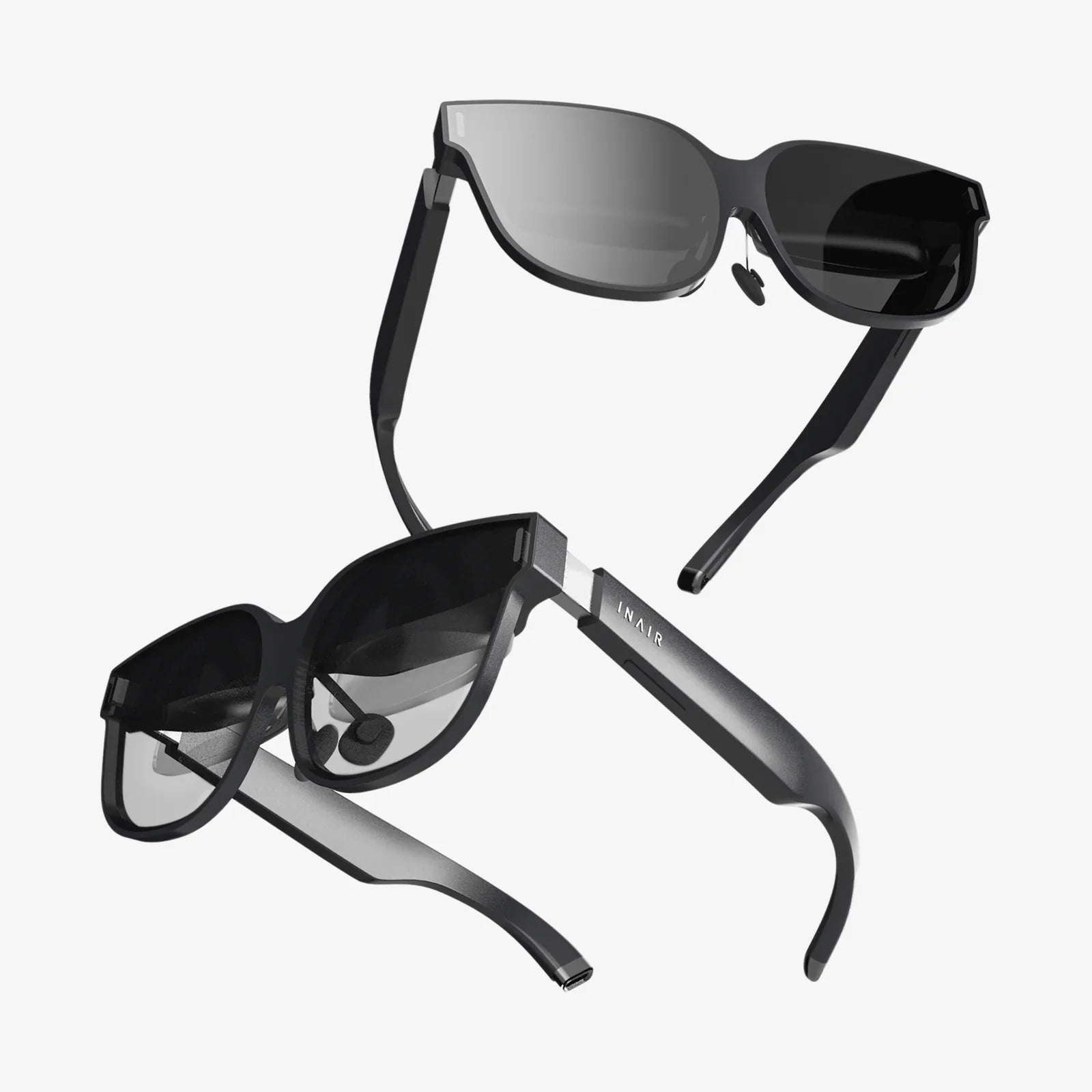
For millions of people worldwide, the simple act of putting on a pair of headphones is immediately followed by an annoying, sometimes painful, reminder of their eyewear—the dreaded pressure points where the headband meets the frames and the ear cups press the temples into the side of their head. If you’ve ever winced as you removed your headphones after a long call or listening session, only to be left with a throbbing headache and deep grooves carved into the sides of your head, you know this struggle all too well. The quest for the perfect audio experience shouldn't be a physical battle. This guide is dedicated to ending that discomfort, diving deep into the engineering and design principles that make certain headphones a godsend for those of us who wear glasses.
The Anatomy of Discomfort: Why Glasses and Headphones Clash
To understand what makes a headphone glasses-friendly, we must first diagnose the precise points of conflict. The discomfort isn't just a minor inconvenience; it's a result of fundamental design oversights that ignore a significant portion of the user base.
The primary pain points are:
- Temple Pressure: This is the most common issue. The arms (temples) of your glasses are sandwiched between the headphone's ear cup cushion and the side of your head. This constant pressure restricts blood flow, irritates the skin, and can lead to headaches. The rigidity of certain frame materials, like acetate or metal, exacerbates the problem.
- Headband Pressure: A tight or poorly padded headband can press the top of your frames into your scalp, creating a secondary pressure point that compounds the overall discomfort.
- Seal Break and Audio Leakage: For over-ear models, the temples of your glasses break the seal between the ear cushion and your head. This is catastrophic for noise isolation and bass response, as low-frequency sounds escape, ruining the audio fidelity and allowing external noise to creep in.
- Instability: The combination can cause glasses to sit unevenly or feel loose, requiring constant adjustment.
These factors transform a pleasurable activity into an exercise in endurance. The goal, therefore, is to find headphones that address each of these points through intelligent design.
Key Features to Look for in Glasses-Friendly Headphones
Not all headphones are created equal. Specific design elements can dramatically reduce or eliminate the conflict between your audio gear and your eyewear. When evaluating options, prioritize these features:
1. Ear Cup Design and Cushioning
This is arguably the most critical factor. The material, depth, and shape of the ear cushions determine how much pressure is exerted on your temples.
- Material: Look for soft, pliable, and breathable materials. Memory foam is a superstar in this category. It conforms to the shape of your head and glasses, molding around the temples instead of applying rigid counter-pressure. Velour and velour-like fabrics are also excellent as they offer a soft, forgiving surface that minimizes friction.
- Depth and Interior Space: Deep, spacious ear cups are a must. They allow the driver to sit further away from your ear, creating a cavity that can accommodate the end of your glasses' temples without them being crushed against your head. Shallow ear cups offer no such relief.
- Shape: Oval or elliptical ear cups often provide more room around the crucial area where glasses temples rest compared to perfectly circular ones.
2. Headband Design and Clamping Force
The headband's job is to keep the headphones secure, but it shouldn't feel like a vise.
- Adjustable and Padded Headbands: A well-padded headband distributes weight evenly across the top of your head, preventing a concentrated pressure point on your frames. A wide, self-adjusting headband is often more comfortable than a thin, rigid one.
- Clamping Force: This refers to the pressure the ear cups exert on the sides of your head. Headphones with a lower clamping force are inherently better for glasses wearers. While they need to be secure enough to stay on, they shouldn't feel tight. Many models loosen their clamp slightly after a break-in period.
3. Weight Distribution
Lighter headphones generally exert less overall pressure. However, a heavier pair with an exceptional headband and cushioning system can often feel lighter and more comfortable than a cheap, lightweight pair with poor padding. It's about intelligent weight distribution, not just the number on the scale.
4. On-Ear vs. Over-Ear vs. In-Ear
This is a fundamental choice:
- Over-Ear (Circumaural): These are typically the best choice. They encompass the entire ear, and with deep, soft cushions, they can often create a seal behind the glasses' temple, mitigating the audio leakage issue. They distribute pressure around the ear rather than directly on it.
- On-Ear (Supra-aural): These rest directly on the pinna (the outer ear) and almost always press the glasses temples into the side of your head. They are generally the worst option for extended comfort with glasses.
- In-Ear (Intra-aural): The ultimate solution for avoiding pressure entirely. In-ear monitors (IEMs) or earbuds bypass the problem completely by sitting inside the ear canal. They offer no interference with glasses frames and often provide excellent passive noise isolation. The compromise can be audio quality (though high-end IEMs are exceptional) and the feeling of having something inside your ear.
Testing and Fit: The Personal Experience
Specifications and features only tell part of the story. Comfort is intensely personal and depends on the unique shape of your head, the size of your ears, and the design of your glasses.
Your Glasses Matter Too: The thickness and material of your frames play a huge role. Thin, flexible metal or titanium frames will cause far less of an issue than thick, rigid plastic or acetate frames. If your primary concern is headphone comfort, consider a pair of glasses with thin, lightweight temples for your listening sessions.
The "At-Home" Test: If possible, try before you buy. Wear the headphones for at least 15-20 minutes with your glasses on. Pay attention to the specific areas of pressure. Do you feel it immediately, or does it build over time? Listen to a track with rich bass—can you hear it fully, or does it sound thin and weak due to a broken seal?
Beyond the Hardware: Pro Tips for Enhanced Comfort
Even with the right headphones, a few simple tricks can elevate your comfort to the next level.
- Strategic Positioning: When putting on your headphones, adjust the positioning of your glasses first. Slide them slightly forward on your nose before securing the headphones. This can sometimes create a better angle for the temples to sit under the ear cushions.
- Take Breaks: During long listening sessions, give yourself and your head a break. Removing both your headphones and glasses for just a minute or two can reset the pressure points and prevent discomfort from building up.
- Aftermarket Pads: Many headphones allow you to replace the stock ear pads. Investing in a set of high-quality, deep memory foam replacement pads can be a game-changing and relatively inexpensive upgrade for an existing pair of headphones.
The Verdict: No More Compromise
The narrative that glasses wearers must choose between clear vision and immersive audio is finally obsolete. Manufacturers are increasingly recognizing this sizable market, designing products with plush, accommodating ear cups, intelligently distributed weight, and adjustable headbands that prioritize all-day comfort. The key is to focus on the design elements that directly combat pressure—deep memory foam cushions, generous clamping force adjustments, and breathable materials. By understanding the "why" behind the discomfort, you can cut through the marketing jargon and identify the headphones that will truly work for you.
Imagine a world where your soundtrack seamlessly integrates with your life, where a critical work-from-home Zoom call doesn't leave you rubbing your temples, and where the climax of your favorite album isn't accompanied by a throbbing headache. That world is within reach. The perfect pair of headphones won't just change how you hear your music; they'll change how you feel while listening to it, finally freeing you from the uncomfortable compromise you've endured for far too long. The search for audio nirvana, it turns out, is open to everyone—four eyes and all.
Share:
Best VR Headset Now: The Ultimate 2024 Buyer's Guide to Immersive Reality
Extended Reality Stage: The Future of Live Performance and Immersive Storytelling