


- by wangfred
Best Interactive AR Technology: Redefining Our Digital and Physical Worlds
- by wangfred
Imagine a world where digital information doesn't just live on a screen but bleeds into your living room, where learning is a three-dimensional adventure, and where the line between what's real and what's computer-generated becomes beautifully, functionally blurred. This isn't a distant sci-fi fantasy; it's the reality being built today by the best interactive AR technology. This transformative force is moving beyond simple visual overlays to create rich, responsive, and deeply immersive experiences that are fundamentally changing how we work, learn, play, and connect. The era of passive viewing is over; we are now entering an age of digital interaction that feels as natural as turning a doorknob.
What separates a simple AR filter from a truly interactive AR system? The best interactive AR technology is built upon a sophisticated stack of hardware and software working in concert to understand and respond to the user's environment and actions in real-time.
The foundation of any interactive AR experience is its ability to comprehend the physical space it occupies. This is achieved through a combination of cameras, sensors like LiDAR (Light Detection and Ranging), and powerful computer vision algorithms. These systems scan a room, detecting flat surfaces like floors and tables, understanding depth, and creating a detailed 3D mesh of the environment. This digital twin allows virtual objects to be placed with stunning accuracy, enabling them to sit on a real table, occlude behind a real chair, or bounce off a real wall. Without this precise environmental understanding, interaction is impossible; virtual objects would simply float in space, disconnected from our reality.
Once the environment is mapped, the system must track the user's perspective and intent. This goes far beyond basic marker-based tracking. The best systems employ:
For interaction to feel seamless, the response must be instantaneous. Powerful mobile processors and cloud rendering solutions generate photorealistic 3D graphics that are composited into the user's view in real-time, with lighting and shadows that match the physical world. Furthermore, the addition of haptic feedback through controllers or advanced wearables adds a crucial tactile layer. Feeling a subtle vibration when you "touch" a virtual button or a resistance when you "push" a virtual lever completes the illusion and makes the interaction tangible and believable.
The power of this technology is not in its technical specs but in its practical, world-changing applications. Across the globe, industries are being reshaped by interactive AR.
Interactive AR is turning abstract concepts into tangible, hands-on learning experiences. Instead of reading about the solar system, students can walk around a life-sized, rotating model of it, pulling planets closer to examine their surfaces. Medical students can practice complex surgical procedures on detailed, interactive holograms of human anatomy, receiving real-time feedback without any risk. Mechanics in training can overlay step-by-step instructions and animated guides directly onto the engine they are repairing, improving comprehension and retention dramatically. This learning-by-doing model, facilitated by AR, is arguably the most effective form of education ever devised.
The "try before you buy" paradigm has been completely redefined. Shoppers can now use their smartphones or AR wearables to see how a new sofa would look in their actual living room, checking for size, color, and style fit. Fashion retailers allow customers to "try on" clothes, glasses, and makeup virtually from the comfort of their homes. This drastically reduces purchase uncertainty and product return rates while providing an engaging and fun shopping experience that bridges the gap between online and in-store retail.
In fields like manufacturing, engineering, and maintenance, interactive AR is a game-changer for efficiency and accuracy. A factory technician wearing AR glasses can see digital schematics overlaid directly on the malfunctioning machine they are fixing. They can receive remote expert guidance from a specialist thousands of miles away, who can draw arrows and highlight components in their field of view in real-time. Architects and engineers can walk through full-scale 3D models of their designs before a single brick is laid, identifying potential issues and making collaborative changes on the fly. This "see-what-I-see" capability is breaking down geographical barriers and streamlining complex workflows.
In healthcare, interactive AR is moving from a novelty to a vital tool. Surgeons use AR overlays during operations to display critical information like patient vitals or 3D scans of tumors directly in their line of sight, avoiding the need to look away at a monitor. It is also being used for revolutionary patient therapy, such as helping phobia patients confront their fears in controlled, augmented environments or assisting in physical rehabilitation by turning exercises into interactive games that improve motivation and outcomes.
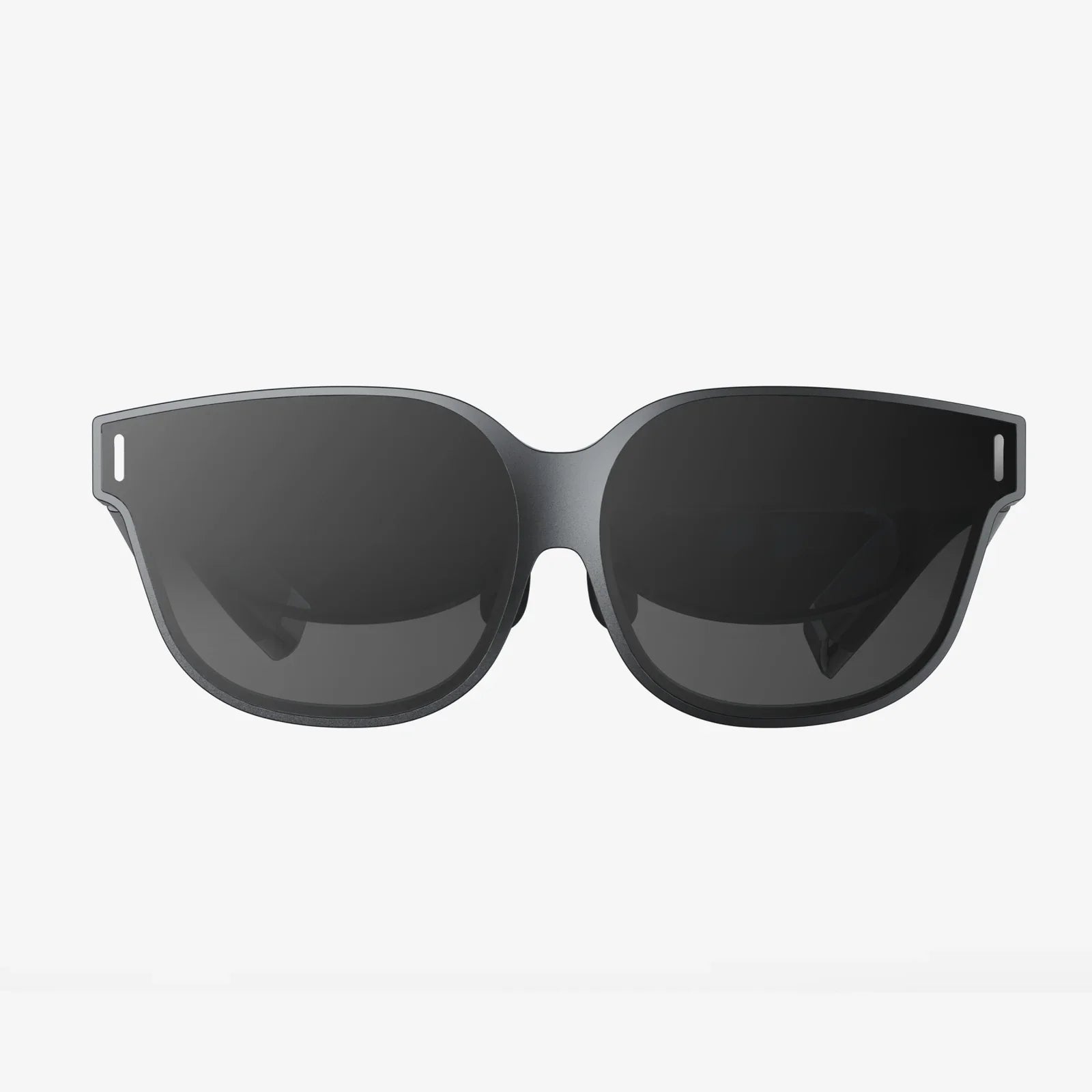
The trajectory of interactive AR points toward even more seamless and powerful integration into our daily lives. We are moving toward lightweight, stylish AR wearables that look like ordinary glasses but project high-fidelity visuals onto our retinas. The convergence of AR with Artificial Intelligence will lead to context-aware systems that anticipate our needs, offering relevant information and interactions before we even ask. The concept of the "spatial web" or "metaverse" envisions a persistent digital layer over the entire world, where information, art, and social connections are anchored to locations and objects, accessible to anyone with AR capabilities.
Of course, this future is not without its challenges. Widespread adoption hinges on overcoming hardware limitations in battery life, processing power, and form factor. Crucially, the development of this technology must be guided by strong ethical frameworks concerning user privacy, data security, and digital addiction. Creating a universal set of standards and protocols will be essential to ensure a cohesive and open AR ecosystem, preventing a future of walled gardens and incompatible experiences.
The magic of the best interactive AR technology lies in its ability to not just show us something new, but to let us reach out and touch it. It empowers us to become active participants in a blended reality, unlocking new depths of creativity, productivity, and understanding. This is more than an evolution of the screen; it is the dawn of a new medium for human experience, and its potential is limited only by our imagination. The invitation to interact with the world in an entirely new way is now open.