


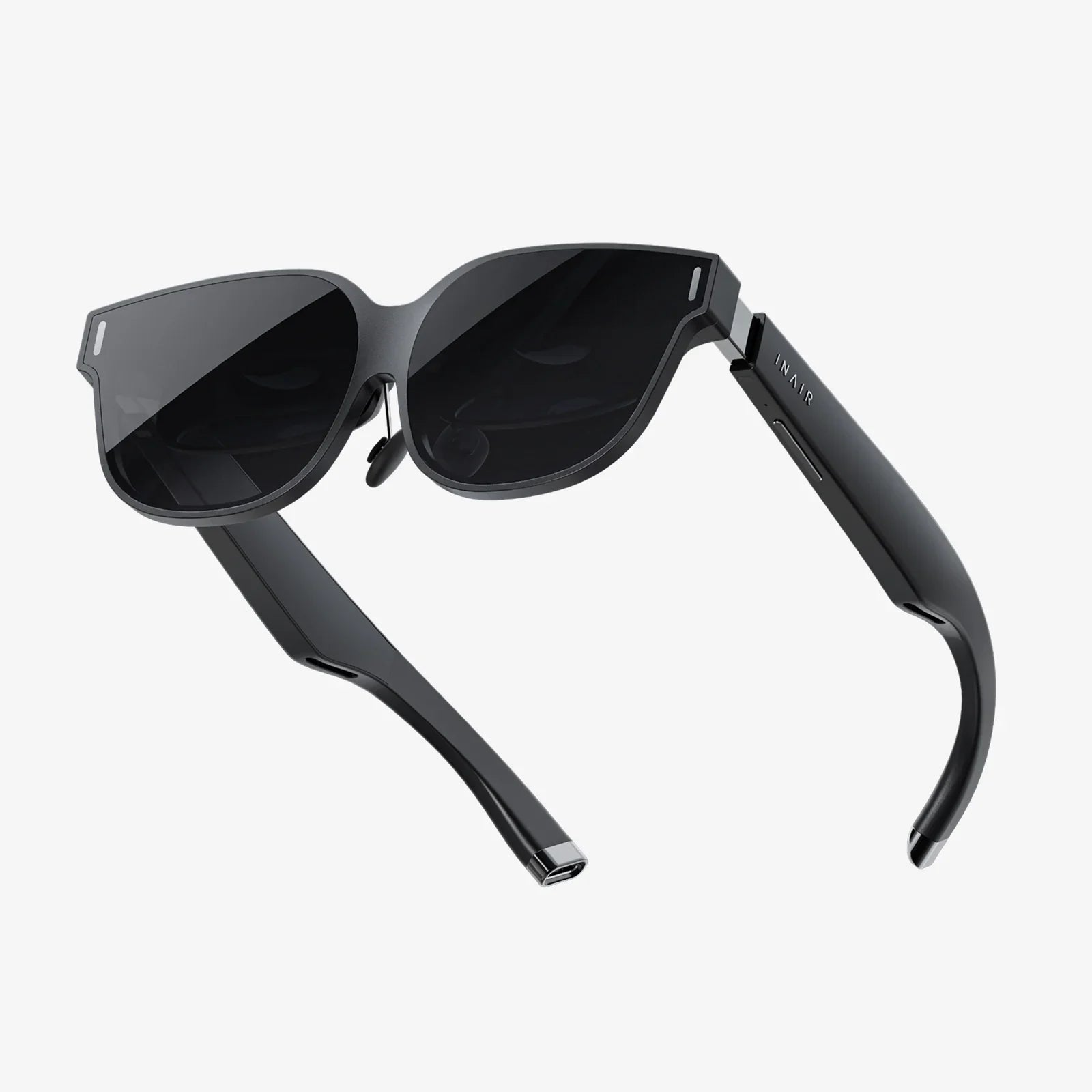
Imagine slipping on a sleek, lightweight visor and instantly being transported to a front-row concert seat, a distant Martian landscape, or the heart of a strategic board game with friends across the globe—all without a single wire tethering you to a powerful computer. This is the promise and the reality of the best mobile VR headsets of 2025, a year that has firmly established untethered, all-in-one virtual reality as the dominant force for mainstream immersion. The evolution has been nothing short of revolutionary, moving from bulky, phone-dependent boxes to sophisticated, self-contained wearable computers that offer unparalleled freedom and increasingly breathtaking experiences. The quest for the ultimate headset is no longer about raw, tethered power alone; it's a nuanced balance of visual fidelity, comfort, intuitive interaction, and a vast, vibrant ecosystem of content. If you're ready to dive into virtual worlds on your terms, the journey starts here.
The New Gold Standard: Defining "Best" in 2025
Gone are the days when resolution was the sole benchmark for quality. In 2025, the title of "best" is awarded through a holistic evaluation of several critical, interlocking components. A headset might boast a stunning display, but if it's uncomfortable after twenty minutes or has a limited software library, it fails the test for most users.
The most significant shift has been the move toward standalone functionality. The best headsets are fully self-contained, with a powerful system-on-a-chip (SoC), internal storage, and a battery all integrated into the design. This eliminates the need for a nearby gaming PC or a console, truly unlocking VR from a fixed location and making it an anywhere, anytime activity.
Furthermore, the definition of "mobile" has expanded. While pure standalone use is king, the best headsets often offer optional hybrid functionality. This means they can operate as a powerful standalone device but also have the capability to connect to a computer via a single, high-bandwidth cable or even wirelessly for those who want to access the extreme graphical fidelity of PC VR titles. This flexibility is a key differentiator.
Through the Lens: Display and Visual Fidelity
The window to your virtual world is the display, and in 2025, the technology has reached near-perfect clarity for most users.
- Resolution and PPD: While 4K per eye is now commonplace, the more important metric is Pixels Per Degree (PPD). This measures angular resolution and is a better indicator of clarity. The best headsets in 2025 are pushing 35+ PPD, making the "screen door effect"—where users could see the gaps between pixels—a distant memory. Text is razor-sharp, and distant objects in virtual environments retain their detail.
- Lens Technology: Pancake lenses have completely replaced the older Fresnel lenses in high-end mobile hardware. These compact, multi-element lenses allow for a much slimmer headset profile and provide a significantly larger sweet spot—the area where the image is perfectly in focus. This reduces eye strain and eliminates the need to constantly readjust the headset to find clarity.
- Refresh Rate: A high refresh rate (90Hz, 120Hz, and even 144Hz) is crucial for smooth, comfortable gameplay. It reduces motion blur and latency, which is the primary culprit for VR-induced nausea. The best devices offer adaptive refresh rates, optimizing performance and battery life based on the application.
The Architecture of Freedom: Processing Power and Performance
The brain of any mobile VR headset is its processor. In 2025, these are not mere smartphone chips but are custom-designed SoCs engineered specifically for the intense demands of spatial computing.
These processors handle a monumental task: rendering two high-resolution displays at high frame rates, while simultaneously processing data from a suite of sensors for head and controller tracking, and often running sophisticated inside-out tracking for positional awareness. All of this must be done within a strict thermal and power envelope to ensure comfort and decent battery life.
The best headsets leverage advanced AI-powered upscaling and foveated rendering techniques. Foveated rendering uses internal eye-tracking sensors to determine where the user is looking. It then renders the center of your gaze in full resolution while intelligently reducing the detail in your peripheral vision, a trade-off the human eye doesn't notice. This provides a massive performance boost, allowing for more complex graphics and worlds without sacrificing frame rates or burning through the battery. This technology is no longer a luxury; it's a fundamental feature of a top-tier 2025 mobile VR system.
Forgotten, Yet Felt: The Critical Role of Comfort and Design
A headset can have the most advanced technology imaginable, but if it's a pain to wear, it will gather dust. Design philosophy in 2025 is centered on ergonomics and weight distribution.
The best designs use a balanced rigid headstrap with a rear counterweight, often housing the battery. This evenly distributes pressure across the head and cheeks, avoiding the dreaded "VR face" and allowing for multi-hour play sessions. Materials are lightweight, often incorporating breathable fabrics to manage heat and moisture.
Adjustability is also key. Features like a motorized or manual IPD (Interpupillary Distance) adjustment ensure the lenses are perfectly aligned with any user's eyes, maximizing visual comfort and clarity. Modular designs, with optional prescription lens inserts and interchangeable facial interfaces, ensure the headset can be personalized for a perfect fit.
Your Hands in VR: Tracking and Controllers
Interaction is what makes VR magical. The standard for several years has been six degrees-of-freedom (6DoF) for both the headset and controllers, meaning they are tracked in space (X, Y, Z axes) and rotation (pitch, yaw, roll). This is now table stakes.
The innovation in 2025 lies in inside-out tracking and hand tracking. Cameras mounted on the headset itself track the environment and the controllers, eliminating the need for external base stations. This technology has become so refined that tracking is near-flawless, with minimal latency and incredible accuracy, even when controllers are held close to the headset or behind the back.
More impressively, advanced hand tracking allows users to interact with virtual interfaces and objects using just their bare hands. The best headsets can seamlessly switch between controller-based input for intense games and hand-tracking for navigation, social apps, or productivity tasks, making the experience feel more natural and intuitive than ever before.
Beyond Gaming: The Expanding Mobile VR Ecosystem
While gaming remains a primary driver, the value of a mobile VR headset is now measured by the breadth of its ecosystem.
- Productivity: Imagine working from a virtual beachside office with multiple massive screens. VR productivity suites are robust, allowing for web browsing, document editing, and remote collaboration in shared virtual spaces.
- Social Connection: Social VR platforms have evolved into vibrant metaverses where people hang out, attend live events, watch movies together in virtual theaters, and create shared memories.
- Fitness: VR fitness apps have exploded in popularity, offering fun, engaging workouts from boxing and rhythm games to yoga and meditation in serene environments.
- Media Consumption: With ultra-high-resolution displays, watching immersive 180° and 360° videos or playing 2D content on a giant virtual screen is a compelling home theater replacement.
A headset's worth is tied directly to the health and activity of its digital storefront and the developer community supporting it.
Future-Proofing Your Purchase: Considerations Beyond the Spec Sheet
Choosing the best headset isn't just about what it can do today, but what it will be capable of tomorrow.
- Battery Life and Management: Real-world battery life for intensive use typically ranges from 1.5 to 3 hours. The best systems offer swappable batteries or support for external battery packs for extended play. Fast charging is also a highly valued feature.
- Software Support and Roadmap: Invest in a platform, not just hardware. Consider the company's commitment to regular software updates, new features, and its track record of supporting older devices. A strong roadmap signals a evolving experience.
- Accessory Ecosystem: A vibrant third-party market for accessories—from better straps and controller grips to specialized fitness covers—can greatly enhance the long-term value and versatility of your device.
The landscape of mobile VR in 2025 is not about a single undisputed winner, but about finding the perfect device that aligns with your personal priorities. Whether you're a hardcore gamer seeking buttery-smooth performance, a social butterfly building a second life in the metaverse, or a professional looking for a new dimension of productivity, the technology has finally matured to meet your needs. The barriers of cost, complexity, and comfort have been systematically dismantled, leaving only the pure, unadulterated potential of virtual immersion, waiting for you to reach out and grab it. Your next reality is not just coming; it's already here, waiting in a visor on your shelf.
Share:
What Is The Cheapest VR Headset - A Guide to Affordable Virtual Reality
What Is The Cheapest VR Headset - A Guide to Affordable Virtual Reality