


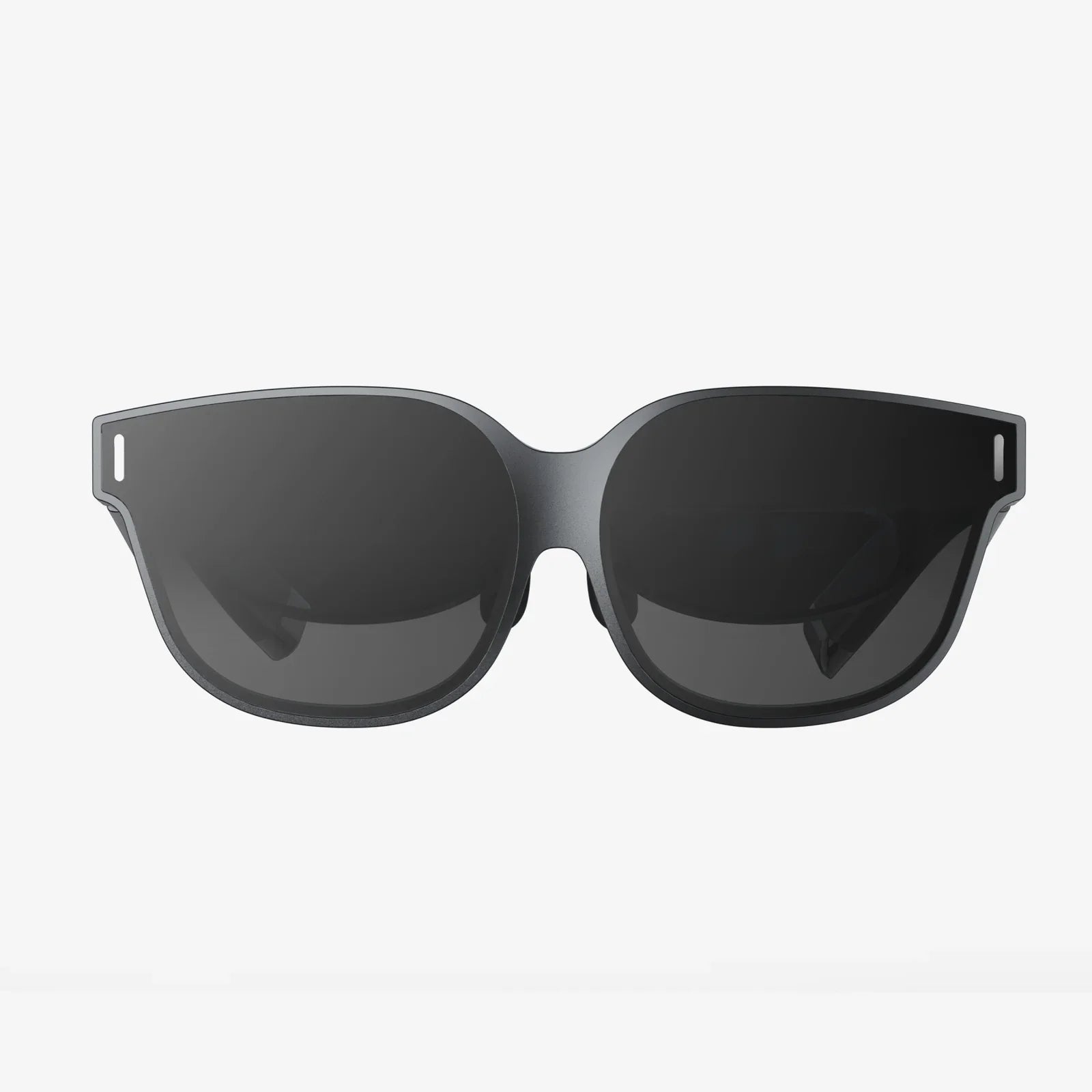
Imagine slipping a sleek portal into your pocket, one that can instantly transport you from your living room to the edge of a volcano, the front row of a concert, or the cockpit of a starship. This isn't science fiction; it's the reality offered by the best mobile VR headset for your iPhone, turning the powerful computer you already own into a gateway to boundless virtual adventures. The quest for the perfect headset is more than just a purchase; it's about unlocking a new dimension of entertainment, education, and connection, all powered by the device you use every day.
The Allure of Mobile VR: Power and Portability Combined
The virtual reality landscape is vast, but mobile VR stands out for its incredible accessibility and simplicity. Unlike more complex systems that require a high-end personal computer and external sensors, a mobile VR headset leverages the sophisticated technology already embedded in your iPhone. Your phone's high-resolution Retina display becomes the visual engine, its gyroscope and accelerometer track your head movements with stunning precision, and its powerful processor renders immersive environments on the fly.
This approach offers a frictionless entry into VR. There are no cables to trip over, no drivers to install, and no dedicated gaming rig to purchase. The entire universe of virtual reality is contained within a lightweight, often portable, headset and your smartphone. This makes it ideal for spontaneous gaming sessions, sharing immersive videos with friends and family, or simply exploring new experiences without a significant upfront investment. The best mobile VR headset for iPhone acts as the perfect bridge between casual curiosity and deep immersion.
Deconstructing the Experience: Key Features to Prioritize
Not all headsets are created equal. To find the one that will provide the most compelling and comfortable experience, you need to understand the critical components that define quality in the mobile VR space.
Optical Clarity and Field of View
The primary job of the headset is to present a clear, sharp, and believable virtual world. This is largely determined by the quality of its lenses and how they interact with your iPhone's screen. High-quality, multi-element lenses are designed to minimize the "screen door effect"—that faint grid-like pattern that can sometimes be seen between pixels—and to reduce visual distortions, especially around the edges of your view. A wider field of view (typically measured in degrees) is also crucial, as it increases the sense of immersion by filling more of your peripheral vision. The best headsets offer a generous field of view that makes the digital world feel expansive and real.
Ergonomics and Comfort for Extended Journeys
A headset that feels like a burden will pull you out of the experience faster than a graphical glitch. Comfort is paramount, especially for experiences longer than a few minutes. Key ergonomic considerations include weight distribution, padding materials, and adjustability. A well-designed headset will use lightweight materials and a strap system—often a rigid headband with a top strap—that evenly distributes weight across your head and face, not just on the bridge of your nose. Plush, breathable foam around the eyes helps create a light-seal without applying uncomfortable pressure. Adjustable straps and, crucially, interpupillary distance (IPD) adjustment allow you to customize the fit for your unique head shape and eye spacing, ensuring a clear and comfortable image for everyone.
Seamless iPhone Integration and Controls
The synergy between the headset and the iPhone is what makes the magic happen. The best headsets are designed with specific iPhone models in mind, offering a perfect fit that aligns the lenses precisely with the screen for optimal clarity. They provide easy access to the phone's ports for headphones and, in some cases, allow for pass-through charging so you can enjoy longer sessions without worrying about battery life. Furthermore, intuitive control systems are a must. While many experiences can be navigated by simply gazing at a point, more advanced headsets integrate a separate wireless controller or even have built-in touchpads and buttons on the headset itself, offering greater precision and a richer interactive experience.
Content Library: The Soul of the System
The hardware is merely a vessel; the content is the journey. The true value of any VR platform is measured by the quality and diversity of its available experiences. The best mobile VR headset for iPhone grants you access to a vast and ever-growing library of content through dedicated application stores. This includes breathtaking 360-degree videos that let you travel the world, heart-pounding games that put you in the center of the action, and innovative educational apps that transform learning about anatomy or history into an interactive adventure. The strength of this ecosystem, with regular new releases and support from developers, is a critical factor in ensuring your investment remains engaging for years to come.
Beyond the Spec Sheet: The Intangible Qualities of a Great Headset
While specifications are important, the ultimate test is how the headset feels in use. The "best" headset is often defined by a combination of smaller, thoughtful design choices that elevate the experience from good to exceptional.
Consider the process of loading your phone. Does the headset have a clever mechanism that makes it simple and secure, protecting your valuable device? Is there adequate ventilation to prevent the lenses from fogging up during intense use? Does it offer a passthrough camera mode, using the iPhone's own sensors to let you see your real-world surroundings without removing the headset? This feature is incredibly useful for finding your controller or taking a drink without breaking immersion completely. These nuanced features demonstrate a design philosophy that prioritizes the user's entire journey, not just the raw visual output.
A Glimpse into the Future: Where Mobile VR is Headed
The technology behind mobile VR is advancing at a breakneck pace. As iPhones become more powerful with faster chips and even better displays, the potential for mobile VR expands exponentially. We are moving towards a future where inside-out tracking—using cameras on the headset itself to understand its position in a room—could become standard even for mobile devices, enabling room-scale experiences without external sensors. Furthermore, the lines between dedicated VR systems and mobile VR are beginning to blur with the advent of cloud gaming and streaming services, which could someday allow mobile headsets to tap into the vast processing power of remote servers, delivering high-fidelity experiences that were previously impossible on a smartphone.
Making Your Decision: A Buyer's Compass
Choosing the right headset is a personal journey that depends on your individual needs and how you plan to use it. Are you a hardcore gamer looking for the most responsive experience with precise controls? Or are you primarily interested in cinematic viewing, where comfort and visual fidelity for movies are your top priorities? Perhaps you're an educator or parent seeking a device with a robust library of educational content. Your budget, of course, will also play a role. By honestly assessing your primary use case and weighing it against the features outlined above—superior optics, unwavering comfort, seamless integration, and a rich content library—you can navigate the options with confidence and find the perfect immersive companion for your iPhone.
The right headset does more than just hold your phone; it unlocks a universe of potential, transforming your device into a window limited only by developer imagination. It’s an invitation to explore, learn, and play in ways you never thought possible, and the journey to find your perfect portal starts now.
Share:
Best Price Performance VR Headset: Your Ultimate Guide to Value in Virtual Reality
What Do You Need to Set Up a VR Headset - The Ultimate Pre-Flight Checklist