


- by wangfred
Best Non PC VR Headset - Your Ultimate Guide to Standalone Virtual Reality
- by wangfred
Imagine stepping into breathtaking virtual worlds without a single cable holding you back, without the need for an expensive gaming rig, and with complete freedom to explore wherever you want. The revolution in standalone virtual reality technology has finally arrived, delivering experiences that were once science fiction directly to your eyes. The quest for the best non PC VR headset isn't just about convenience—it's about accessibility, immersion, and the pure joy of virtual reality unleashed from its technological tethers.
Just a few years ago, high-quality virtual reality was synonymous with powerful desktop computers, intricate sensor setups, and a web of cables that could turn an immersive experience into a tangled mess. The technological barriers were significant, both in terms of cost and complexity. Today, standalone VR headsets have shattered these barriers, packing all the necessary computing power, sensors, and displays into a single, elegant device that sits comfortably on your head.
The engineering marvel of these all-in-one devices cannot be overstated. They represent a triumph of miniaturization, thermal management, and power efficiency. Unlike their PC-dependent predecessors, these headsets don't just offer convenience—they represent a fundamental shift in how we interact with virtual environments. Without being physically connected to a stationary computer, users can turn, spin, crouch, and move with complete abandon, unlocking new levels of presence and immersion.
Determining which headset deserves the title of "best" requires looking beyond simple specifications. While technical capabilities are important, the overall experience is what truly matters to users. Several key factors contribute to a standout standalone VR experience.
The window to virtual worlds is the display, and its quality directly impacts immersion. Resolution, refresh rate, field of view, and pixel density all work together to create a convincing visual experience. Higher resolution displays with reduced screen-door effect (where users can see fine lines between pixels) help maintain the illusion of reality. Advanced lens technology also plays a crucial role in edge-to-edge clarity and reducing visual artifacts like god rays.
Modern standalone headsets often utilize Fast-Switch LCD or OLED displays that offer vibrant colors and deep blacks. The refresh rate, measured in Hertz (Hz), determines how smooth motion appears, with higher rates reducing motion sickness and increasing comfort during extended sessions. Meanwhile, the field of view determines how much of your vision is occupied by the virtual environment, with wider angles contributing to greater immersion.
Without a connection to a powerful external computer, standalone headsets must contain all their processing capabilities onboard. The system-on-chip (SoC) architecture in these devices represents cutting-edge mobile processing technology, specifically optimized for the demanding tasks of virtual reality. These processors handle not only rendering complex environments but also tracking head and controller movements, processing audio, and managing thermal output.
The balance between performance and battery life is a constant engineering challenge. The best devices manage to deliver smooth, stutter-free experiences while maintaining reasonable battery longevity and comfortable operating temperatures. Advanced cooling systems, often using passive heat dissipation techniques, prevent discomfort during extended use while ensuring consistent performance.
Accurate tracking is the foundation of presence in VR. Modern inside-out tracking systems use multiple cameras positioned around the headset to map the environment and track controller positions without external sensors. This technology has advanced remarkably, now capable of recognizing hand gestures and tracking controllers even when they're briefly outside the camera's field of view.
The controllers themselves have evolved into sophisticated input devices with haptic feedback, intuitive button layouts, and ergonomic designs that feel natural in the hand. Advanced models feature finger tracking that can detect individual finger movements, adding another layer of immersion to interactions within virtual environments.
The hardware is only half of the equation—without compelling software, even the most advanced headset becomes an expensive paperweight. The best standalone VR platforms boast extensive libraries of games, experiences, productivity applications, and social spaces. A healthy ecosystem with regular new releases and support from both major studios and independent developers ensures the platform remains relevant and engaging over time.
Beyond games, many users seek applications for fitness, social connection, creative expression, and even professional productivity. The diversity of available content significantly impacts the overall value proposition of any standalone VR system.
Since standalone headsets contain all their components in a single unit, weight distribution and comfort become critical design considerations. The best designs use balanced weight distribution, premium materials, and adjustable straps to minimize pressure on the face and ensure stability during movement. Ventilation systems prevent lens fogging, while easily replaceable facial interfaces accommodate different face shapes and maintain hygiene.
Ergonomics extend beyond physical comfort to include user interface design, ease of setup, and intuitive navigation. The best systems feel welcoming to newcomers while offering enough depth for experienced VR enthusiasts.
The market for standalone VR has matured significantly, with several platforms competing for dominance. Each brings different strengths to the table, catering to slightly different audiences and use cases.
One prominent category of standalone headsets positions itself as the complete entertainment system. These devices typically feature high-resolution displays, extensive content libraries, and strong multimedia capabilities beyond gaming. They often serve as platforms for social VR experiences, virtual cinemas, and fitness applications alongside traditional gaming.
These systems frequently receive exclusive content and benefit from strong developer support. Their ecosystems often include companion applications for smartphones that simplify setup and content discovery. The user experience tends to be polished and accessible, making these devices excellent choices for families and those new to virtual reality.
Another category of standalone headsets emphasizes productivity and professional applications alongside entertainment. These devices often feature enhanced processing capabilities, higher-resolution displays, and support for augmented reality passthrough—allowing users to blend virtual elements with their physical environment.
These systems typically support accessories like styluses for virtual creation and manipulation, and they often feature more extensive integration with productivity software. While they certainly deliver excellent gaming experiences, their value proposition extends to creative professionals, architects, designers, and remote workers who can use them as virtual workspaces.
More accessible price points have brought standalone VR to broader audiences. These entry-level devices make compromises in certain areas to hit lower price targets while still delivering compelling virtual reality experiences. They often serve as excellent introductions to VR for first-time users or supplementary devices for households with multiple users.
While they may not feature the highest resolution displays or most powerful processors, these devices typically provide access to the same content libraries as their more expensive counterparts. Their value lies in democratizing access to virtual reality without requiring additional expensive hardware.
Selecting the right standalone VR headset requires careful consideration of your specific needs, preferences, and circumstances. Beyond the technical specifications, several practical factors should influence your decision.
How you plan to use your headset significantly impacts which model might serve you best. Dedicated gamers will prioritize processing power, controller quality, and game library. Fitness enthusiasts should consider comfort during movement, sweat resistance, and available exercise applications. Those interested in social VR might prioritize microphone and camera quality for communication.
Professional users should evaluate software compatibility, passthrough AR capabilities, and accessory support. Understanding your primary use cases helps narrow the field to devices optimized for those experiences.
While standalone VR eliminates the need for external sensors, you still need adequate physical space for safe operation. Most systems offer both stationary and room-scale experiences, with the latter requiring clear space free of obstacles. Measure your available play area and ensure it meets the recommendations for your chosen system.
Consider also how you'll store the headset when not in use—proper storage protects the lenses from damage and dust accumulation. Those with limited space might prioritize compact designs with convenient storage solutions.
If you already own content on specific platforms or use certain services, compatibility becomes an important consideration. Some standalone systems offer backward compatibility with content purchased on other platforms, while others maintain closed ecosystems. If you have friends who already use VR, you might prioritize systems that allow you to join them in social experiences.
Also consider compatibility with accessories you might already own, such as prescription lens inserts or specialized controller grips that could enhance your experience across different systems.
VR technology continues to advance rapidly, so considering the longevity of your investment is wise. Some platforms have established patterns of backward compatibility, allowing accessories and content to carry forward to new hardware generations. Others offer modular designs that might allow component upgrades without replacing the entire system.
Research the manufacturer's track record for supporting previous hardware with software updates and new features. A vibrant ecosystem with regular content updates suggests a platform with staying power rather than one that might be abandoned.
The standalone VR market continues to evolve at a breathtaking pace, with new technologies constantly emerging to enhance the experience. Several trends are shaping the future of untethered virtual reality.
The line between virtual and augmented reality continues to blur as headsets incorporate higher-quality cameras and sensors for passthrough AR. This technology allows users to see their physical environment with virtual elements overlaid, creating mixed reality experiences. Future headsets will likely feature even more sophisticated environment understanding, recognizing surfaces, objects, and their properties for more seamless blending of physical and virtual worlds.
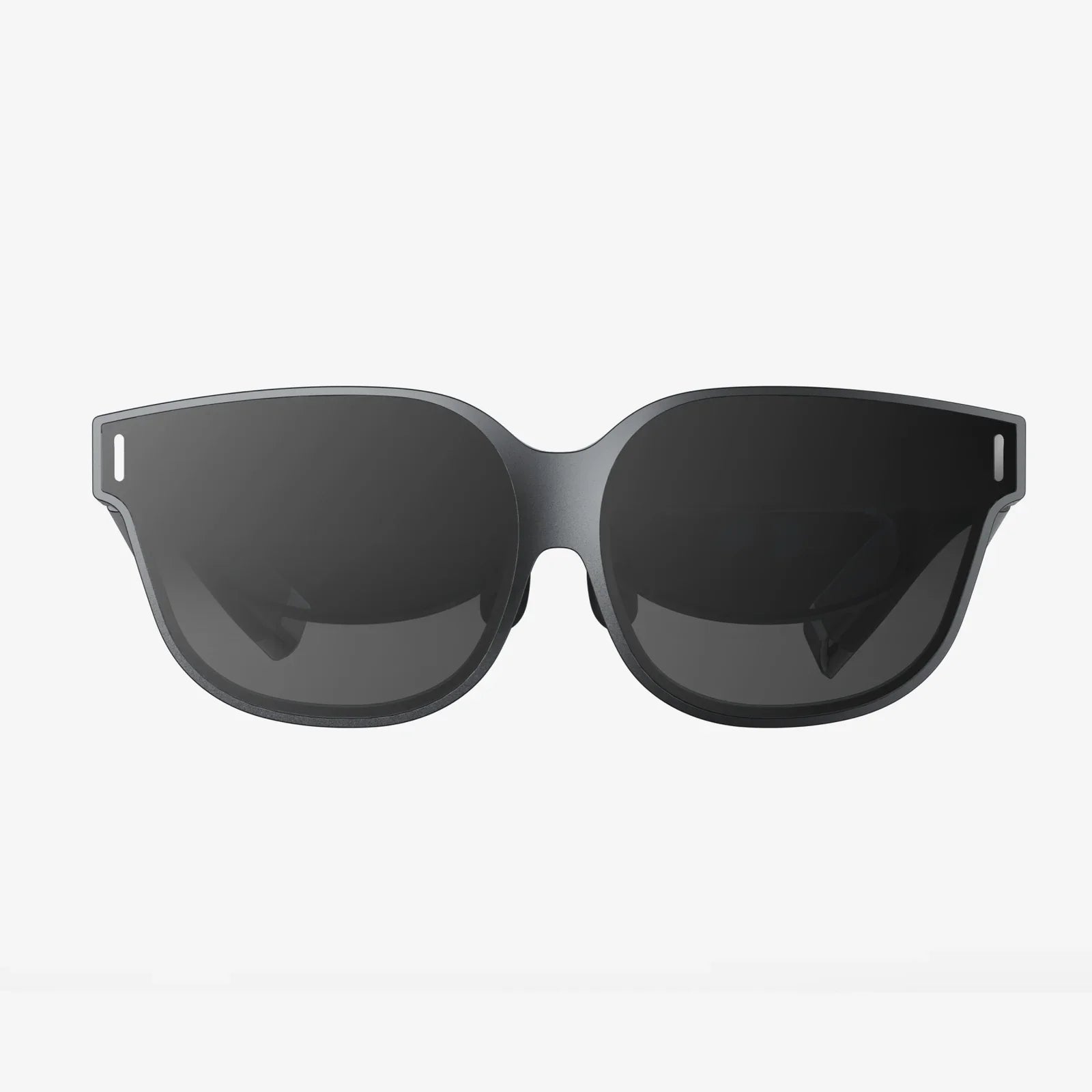
Current standalone headsets, while more convenient than PC-tethered systems, still represent substantial face-worn devices. The industry is moving toward lighter, more compact designs that approach the form factor of traditional eyeglasses. Advances in display technology, including pancake lenses and micro-OLED displays, will enable this transition to more wearable devices.
Future iterations will likely focus on all-day wearability, making VR and AR practical for extended productivity and social applications rather than limited sessions.
While controllers remain the primary input method for most VR systems, eye tracking, facial expression capture, and advanced hand tracking are becoming more prevalent. These technologies enable more natural interactions within virtual environments and enhance social presence by accurately representing user expressions and gaze direction.
Future systems may eliminate controllers entirely in favor of comprehensive hand and gesture tracking, or they may incorporate novel input devices like neural interfaces for more direct control mechanisms.
Even as onboard processing power increases, cloud-based rendering offers an alternative path to more complex visual experiences. By offloading demanding rendering tasks to remote servers, standalone headsets could display visuals that far exceed their local processing capabilities. This approach would require robust, low-latency wireless connections but could fundamentally change the relationship between headset hardware and visual fidelity.
Several platforms are already experimenting with cloud streaming, suggesting this may become a significant component of future VR architectures.
With numerous options available at various price points, selecting the best standalone VR headset requires balancing your priorities against what each system offers. Consider creating a weighted scoring system that evaluates each candidate against the factors most important to you—whether that's display quality, content library, comfort, or specific features like passthrough AR.
If possible, try before you buy. Many electronics retailers now have demonstration units available, and some friends or family members might already own systems you can experience firsthand. There's no substitute for actually wearing a headset and evaluating its comfort and visual quality for yourself.
Remember that the ecosystem matters as much as the hardware itself. A headset with slightly inferior specifications but a much richer content library and more active user community may provide better long-term value than a technically superior device with limited software support.
Whatever path you choose, you're entering an exciting era of virtual reality—one unconstrained by cables and external computers, where immersive experiences await at the donning of a headset. The freedom to explore virtual worlds anywhere, anytime represents not just a technological achievement but a fundamental shift in how we interact with digital content.
The perfect standalone VR experience is waiting for you—a gateway to incredible worlds, thrilling adventures, and connections that transcend physical space, all without a single cable or expensive computer holding you back from diving into the virtual revolution that's reshaping how we play, work, and connect.
Share:
Best VR Headset Compatible with iPhone: Your Ultimate Immersive Guide
Android AR Requirements: The Complete Guide to Building Immersive Experiences