


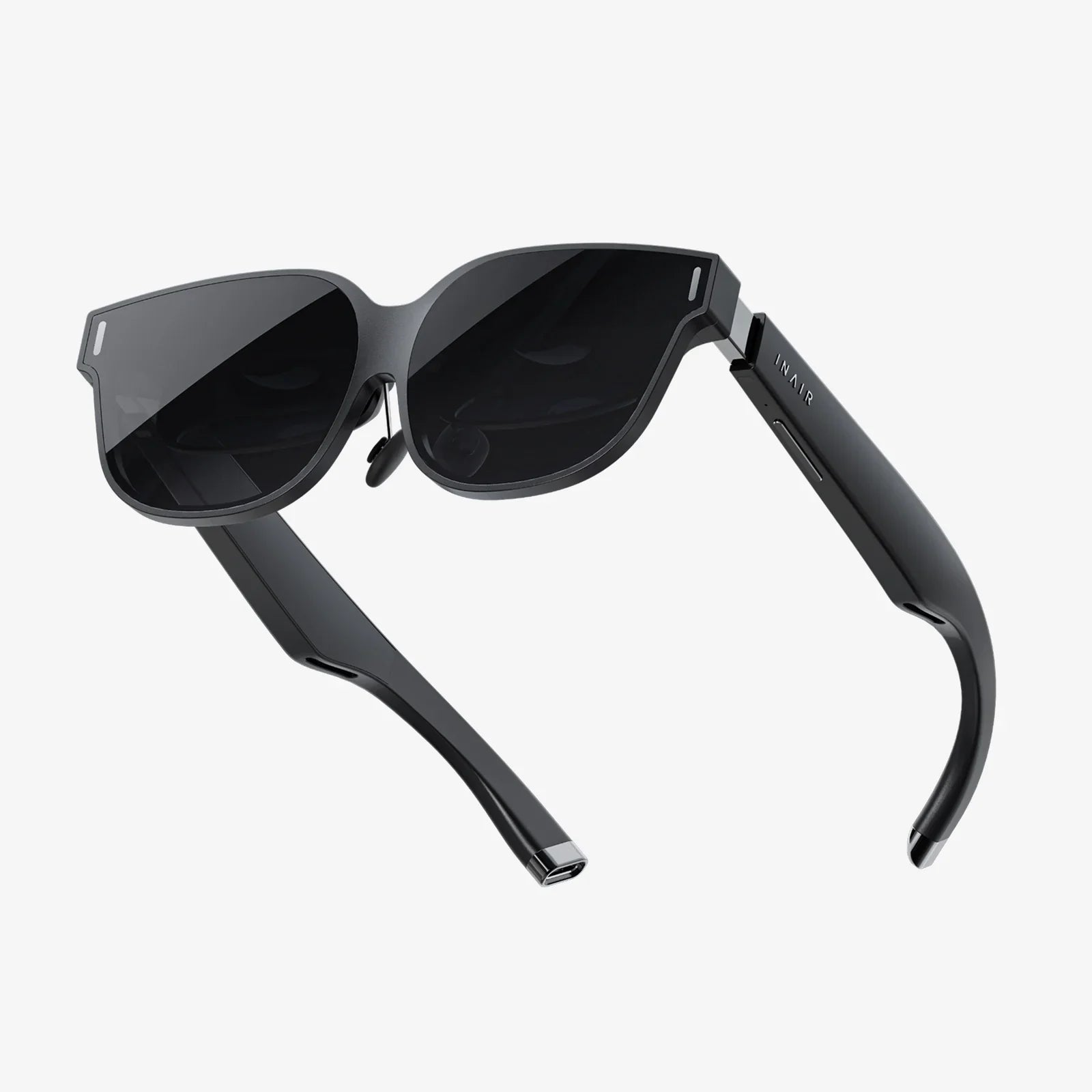
- by wangfred
Best PC VR Headset Under $500 2025: The Ultimate Buyer's Guide
- by wangfred
Imagine stepping into breathtaking virtual worlds, from the depths of the ocean to the far reaches of space, all from the comfort of your living room and without emptying your wallet. The year 2025 has ushered in an incredible era for virtual reality, where high-fidelity immersion is no longer locked behind a four-figure price tag. For PC enthusiasts and newcomers alike, the quest for the best PC VR headset under $500 has never been more exciting or more achievable. This guide is your portal to finding that perfect gateway to new realities, balancing cutting-edge technology with undeniable value.
The virtual reality market has matured significantly. What was once a niche hobby for tech early adopters is now a thriving ecosystem of hardware and software. By 2025, manufacturers have perfected the art of packaging premium features into more affordable systems. The sub-$500 category is particularly fierce, offering headsets that would have been considered flagship models just a few years prior. This competition is a huge win for consumers, driving innovation in display technology, tracking precision, and user comfort. The focus has shifted from raw, expensive power to smart, efficient, and accessible design.
Labeling any single device as the absolute "best" is subjective, as the ideal headset depends heavily on individual priorities. However, by evaluating a core set of criteria, we can objectively identify which models offer the most compelling package for their price.
The quality of the displays is arguably the most critical factor in your VR experience. In 2025, the standard for headsets in this price range has risen dramatically.
Precise tracking is what allows you to interact naturally with virtual objects. Inside-out tracking, where cameras on the headset itself track the controllers and your surroundings, is now the standard and has been refined to near-perfection.
A headset can have the best specs on paper, but if it's uncomfortable to wear, you won't want to use it. Design philosophies have evolved to prioritize long-term wearability.
3D spatial audio is a cornerstone of immersion. Most headsets now feature built-in directional speakers that provide excellent audio quality without isolating you from your real-world environment. For private listening, a standard 3.5mm audio jack remains a ubiquitous and welcome feature for connecting your own headphones.
The plug-and-play dream is now a reality. The best modern PC VR headsets emphasize a simple setup process, often requiring just a single high-speed USB-C cable for both data and power (a feature called DisplayPort Alt Mode). This is a vast improvement over the tangle of cables and external sensors required by older systems. Wireless PC VR streaming via Wi-Fi 6E has also become incredibly robust, offering a high-fidelity, untethered experience as a premium option on some models.
The hardware is only half the story. The software platform it runs on is equally important. In 2025, the two major storefronts offer vast libraries of thousands of games, creative applications, and social experiences. Consider which platform your existing game library is on, as this can be a significant factor in your decision. Furthermore, check the PC compatibility and recommended specifications. While these affordable headsets are accessible, you'll still need a reasonably modern gaming PC with a capable graphics card to power them.
Technology evolves rapidly. While no sub-$500 headset will be truly "future-proof," some choices are more forward-looking than others. Support for new features like eye-tracking (which enables foveated rendering for massive performance gains) or inside-out body tracking can extend the relevance of your purchase. Choosing a headset from a company with a history of supporting its hardware with software updates is also a smart bet.
The convergence of features found in the best PC VR headsets under $500 in 2025 represents an unprecedented value. You are no longer making significant compromises on core components like resolution, refresh rate, or tracking accuracy. The difference between these and premium models often boils down to incremental improvements in FoV, built-in audio quality, or niche prosumer features, rather than fundamental performance gaps. This means your entry into high-end VR is more immersive, more comfortable, and more feature-rich than ever before.
The door to stunning virtual adventures is wide open, and the key is more affordable than you think. The perfect blend of high-resolution displays, flawless tracking, and ergonomic design is waiting for you, ready to redefine your expectations of play, creation, and connection. Your journey to finding the ultimate PC VR headset under $500 starts now—the virtual worlds of 2025 are calling, and they are more real and more accessible than ever before.