


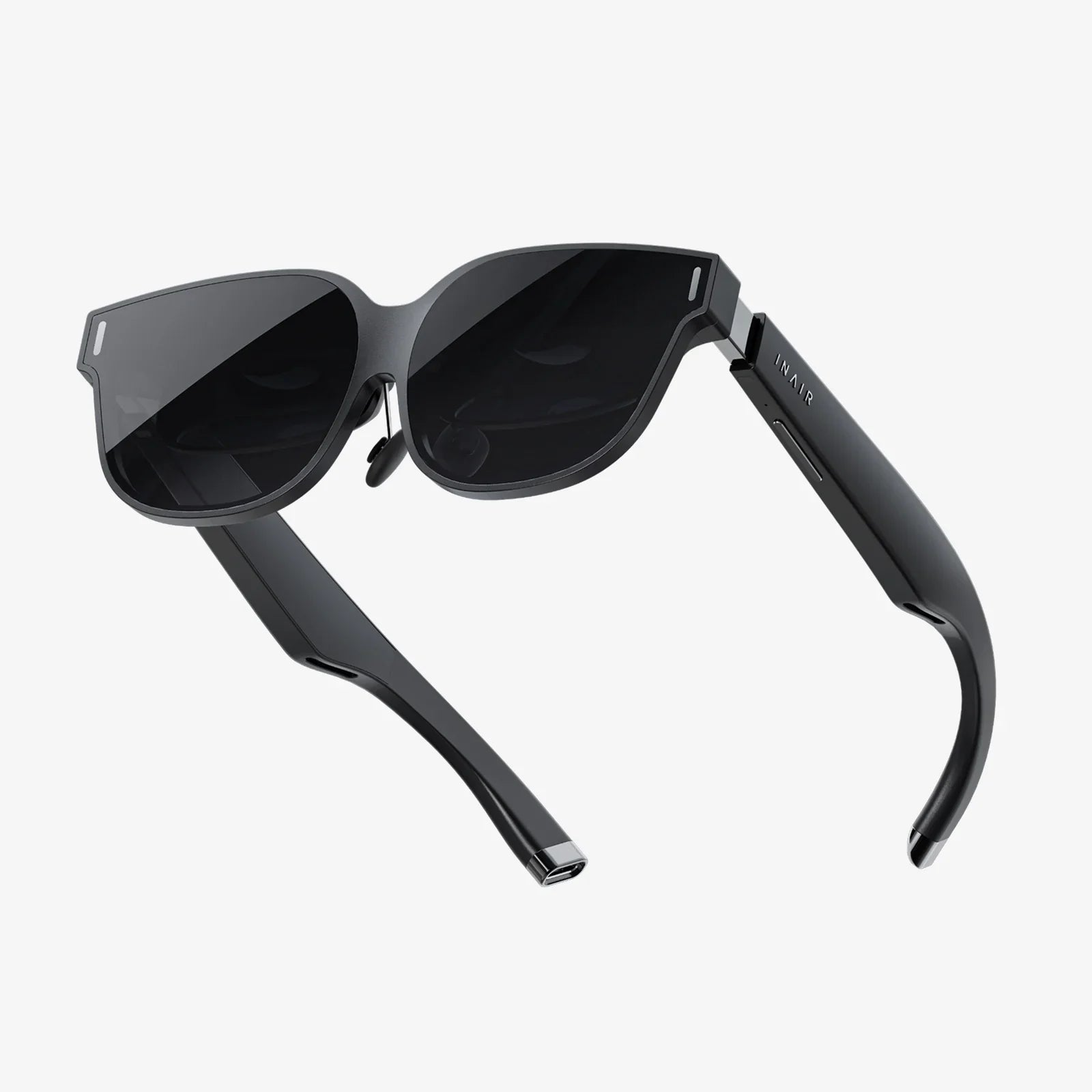
You’ve seen the future, and it’s virtual. The promise of stepping into another world, of experiencing the impossible, is no longer science fiction but a reality sitting on store shelves and in online carts. But with a landscape teeming with options, all promising unparalleled immersion, a single, burning question remains: which device truly deserves the crown as the best performing VR headset? The answer isn't a simple product name; it's a complex equation of raw power, exquisite design, and seamless software. This definitive guide cuts through the marketing hype to dissect the very essence of performance, revealing which headset delivers the most breathtaking, responsive, and truly transformative virtual reality experience available today.
Defining "Performance": More Than Just Pixels and Processors
Before we can anoint a champion, we must first define the battleground. Performance in virtual reality is a multi-faceted beast. It’s not solely about which device has the highest resolution display or the most powerful processor. True performance is the harmonious integration of several critical components that work in concert to trick your brain into believing the digital world is real. A single weak link—be it blurry visuals, clumsy controllers, or uncomfortable fit—can shatter the illusion instantly. Therefore, our evaluation is built on these core pillars:
- Visual Fidelity: This encompasses display resolution, pixel density (pixels-per-inch or PPI), refresh rate (Hz), field of view (FOV), and the quality of the lens technology. It’s about crystal clarity, smooth motion, and the absence of the dreaded "screen-door effect."
- Processing Prowess & Tracking Precision: Raw computational power dictates the complexity and beauty of the worlds you can explore. This includes both the internal processing unit (if standalone) and the sophistication of the positional tracking system—whether inside-out, outside-in, or a hybrid approach—which is crucial for precise, lag-free movement.
- Ergonomics & Comfort: The best visuals are meaningless if the headset is a pain to wear. Performance here is measured by weight distribution, materials, adjustability, and the ability to enjoy extended sessions without fatigue or discomfort.
- Audio Immersion: 3D spatial audio is half of the immersion equation. High-quality, integrated audio solutions that accurately place sounds in a 3D space are non-negotiable for a top-tier experience.
- Software Ecosystem & Controllers: A headset is a gateway. The performance of that gateway is dependent on the quality, depth, and optimization of the available content library and the intuitive, responsive nature of the hand controllers that become your virtual hands.
The Contenders: A Spectrum of Technological Marvels
The current VR market is broadly split into two powerful camps, each with a distinct philosophy on performance: the untethered freedom of standalone headsets and the raw, uncompromising power of PC-connected systems. The best performing VR headset for you depends on which aspects of performance you prioritize most.
The Standalone Sovereigns: Unshackled Immersion
These all-in-one devices represent the most accessible and convenient path to high-quality VR. They have their own built-in compute, storage, and battery, requiring no external wires or a powerful external computer.
Strengths: The defining performance feature here is freedom. The ability to spin 360 degrees without a second thought, to take your VR experience into a larger room, or even on a trip, is a form of performance in itself. Modern standalone headsets pack a surprising amount of power, capable of delivering smooth, visually impressive experiences. Their inside-out tracking systems, using onboard cameras to map your environment, have become exceptionally accurate and reliable.
Considerations: By nature, they must balance performance with battery life and thermal constraints. While their mobile processors are formidable, they cannot match the sheer graphical horsepower of a top-tier gaming PC. This means that while visuals are excellent, they may not reach the photorealistic detail of their tethered counterparts in the most demanding applications.
The Tethered Titans: The Pursuit of Pixel-Perfect Power
For those who demand the absolute zenith of visual and computational performance, tethered headsets are the undisputed choice. These devices act as ultra-high-resolution monitors strapped to your face, offloading all processing to a nearby computer.
Strengths: This is where performance is measured in terabytes and teraflops. The visual fidelity achievable with this setup is staggering. We're talking about maximum resolution displays pushing the limits of human eyesight, refresh rates of 120Hz or higher for buttery-smooth action, and vastly wider fields of view that further expand the sense of presence. They can run incredibly complex simulations, breathtakingly detailed games, and professional creative software that standalone systems can only dream of.
Considerations: The obvious trade-off is the physical tether—a cable connecting the headset to the computer. This can limit physical movement and requires some management to avoid tripping. Furthermore, this path requires a significant investment not just in the headset, but in a powerful computer capable of driving it, adding considerably to the total cost of entry.
The Verdict: Crowning the Performance King
So, after weighing these pillars across the entire spectrum of available technology, which headset emerges victorious? The title of best performing VR headset must be split, for now, acknowledging two different kings for two different kingdoms.
For the realm of Standalone VR, the crown goes to a device that represents a near-perfect balance of all our performance metrics. It features a high-resolution display with a excellent refresh rate that makes text sharp and motion smooth. Its processor is a generation ahead, providing the muscle for richer, more stable environments. The inside-out tracking is flawless, with controllers that feel like natural extensions of your hands. The ergonomics are a masterclass, using advanced materials and a balanced design for multi-hour comfort. Its software library is vast, deep, and filled with experiences optimized specifically for its hardware. It is the complete package, offering the most premium and frictionless untethered experience money can buy.
For the kingdom of PC-VR, the throne is held by a headset that is uncompromising in its pursuit of sensory overload. It boasts the single highest resolution panel on the consumer market, paired with state-of-the-art lens technology that all but eliminates god rays and provides a massive, clear, and "sweet spot." While it can use inside-out tracking, its optional external tracking base stations offer sub-millimeter precision that is the gold standard for professional applications and competitive gaming. It is designed from the ground up to be a conduit for immense computational power, capable of showcasing what is truly possible in virtual reality when hardware limits are pushed to the extreme. For the user with a powerful PC, it delivers an experience that is, quite simply, peerless.
Beyond the Hardware: The Ecosystem is Part of the Performance
Owning the best performing VR headset is about more than just the physical unit. The ecosystem surrounding it is a critical performance multiplier. This includes the user interface, which must be intuitive and responsive, allowing you to jump into experiences without frustration. It includes social features, robust parental controls, and a storefront that is easy to navigate.
Furthermore, the commitment of the platform to backward and forward compatibility speaks volumes. A strong ecosystem ensures that your library of purchased software moves with you to future hardware iterations, protecting your investment. It also encourages developers to continue creating cutting-edge content, knowing they are targeting a vibrant and growing platform. The best hardware is made even better by a thoughtful, user-centric, and developer-friendly software environment.
The Future on the Horizon: What's Next for VR Performance?
The quest for performance never stops. The technologies currently in labs and prototype stages promise to redefine our benchmarks all over again. Eye-tracking with foveated rendering is a game-changer, allowing the headset to render only the exact point you are looking at in full detail while subtly reducing the detail in your peripheral vision. This massively reduces the computational load, enabling even more complex graphics on both standalone and PC-powered devices.
Varifocal displays, which can dynamically adjust focus to match the depth of the virtual object you're looking at, promise to solve the vergence-accommodation conflict that can cause eye strain. Haptic feedback in headsets and controllers will become more sophisticated, adding a tactile layer to immersion. Finally, the eventual move towards true neural interfaces represents the final frontier in minimizing the gap between user intent and virtual action, potentially making controllers obsolete. The best performing VR headset of tomorrow will make today's champion look quaint, but the journey to get there is half the fun.
Imagine a world where the line between physical and digital isn't just blurred—it's completely erased. The journey to find that perfect portal is over. You now hold the knowledge to identify the machine that doesn’t just show you a new world, but makes you believe you’re actually there. Stop imagining the future and start commanding it; your throne in the virtual realm awaits.
Share:
Best Things to Watch on VR Headset: An Immersive Entertainment Guide
Best VR Headset Available: The Ultimate Guide to Immersive Technology in 2024