


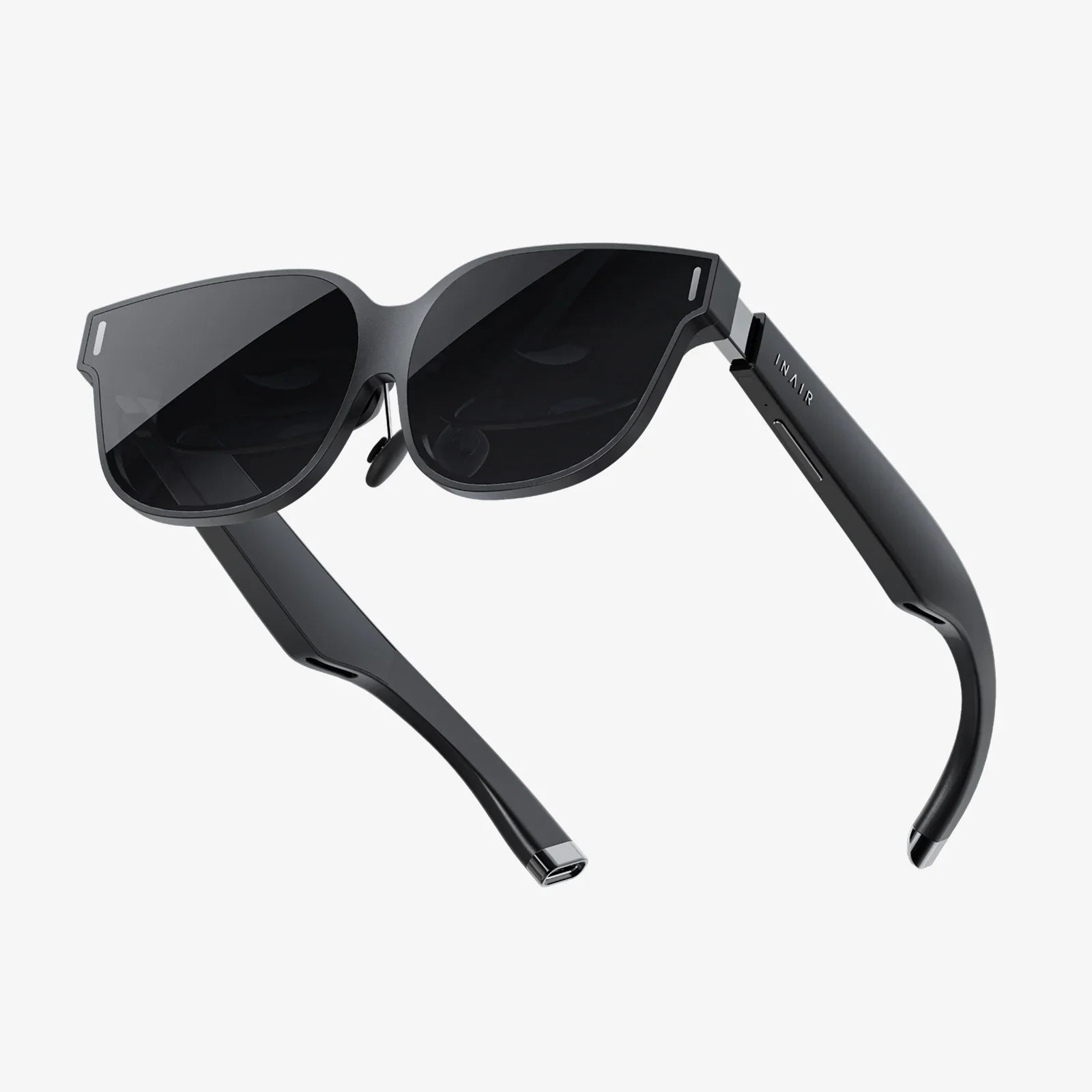
Imagine slipping on a headset and instantly transporting yourself to another world—exploring ancient ruins, battling space pirates, or simply enjoying a front-row seat at a concert, all from your living room. For years, this futuristic experience came with a futuristic price tag, placing virtual reality firmly out of reach for the average consumer. But the landscape has dramatically shifted. Today, the quest for the best reasonably priced VR headset is not a fool's errand; it's a realistic goal for millions. The market is now brimming with options that deliver breathtaking immersion without demanding a small fortune. This guide will navigate the exciting and sometimes overwhelming world of affordable VR, empowering you to find the perfect gateway to virtual worlds that aligns with your budget and your dreams.
Defining "Reasonable" in the World of VR
Before diving in, it's crucial to establish what "reasonably priced" actually means. The VR market is segmented into three distinct tiers, and understanding them is the first step to making an informed decision.
The Budget Tier (Standalone & Mobile)
This category represents the most accessible point of entry. Prices here are typically very consumer-friendly, focusing on getting the technology into as many hands as possible. The headsets in this tier are often self-contained (standalone), meaning they don't require a powerful external computer or console to function. They use built-in processors and displays to deliver a wireless, hassle-free experience. Alternatively, some budget options utilize a smartphone's screen and processing power. The trade-off is often seen in graphical fidelity, processing power, and the depth of tracking capabilities. For casual users, socializers, and those new to VR, this tier offers incredible value and a fantastic introduction to immersive tech.
The Mid-Range Tier (Standalone & Tethered)
This is the true sweet spot for the best reasonably priced VR headset, striking a critical balance between cost and performance. Mid-range headsets have become incredibly powerful, often featuring high-resolution displays, advanced inside-out tracking (where cameras on the headset track your movement without external sensors), and robust libraries of games and applications. Many models in this category are versatile, offering a high-quality standalone mode as well as the ability to connect to a gaming PC for access to more graphically intense experiences. You are paying for a significant leap in comfort, visual clarity, and overall performance from the budget tier, without approaching the cost of professional-grade equipment.
The High-End Tier (PC & Console-Powered)
At the top of the pyramid reside the premium headsets. These devices prioritize cutting-edge performance above all else, boasting the highest-resolution displays, expansive field-of-view, elite tracking accuracy, and advanced features like eye-tracking and foveated rendering. They are almost exclusively tethered to a high-end gaming PC or a specific games console, which represents a substantial additional cost. While they deliver the absolute pinnacle of virtual reality immersion, their total cost of ownership places them outside the definition of "reasonably priced" for the vast majority of consumers.
Key Features to Prioritize for Value
When hunting for the best reasonably priced VR headset, you must evaluate which features deliver the most bang for your buck. Not all specifications are created equal.
Display Resolution and Lens Clarity
The single most important factor for immersion is visual clarity. Nothing shatters the illusion of reality faster than a blurry image or the faint screen-door effect (seeing the fine lines between pixels). Prioritize headsets with a high per-eye resolution. While numbers like 1832 x 1920 per eye were once standard, newer affordable models are pushing past 2000 x 2000 per eye, resulting in dramatically sharper and more readable text and textures. Equally important are the lenses. Fresnel lenses are common but can cause god rays and glare in high-contrast scenes. Some newer budget-friendly models are adopting pancake lenses, which offer a much larger "sweet spot" of clarity and a thinner headset profile.
Tracking: Inside-Out vs. External Sensors
For the price-conscious buyer, inside-out tracking is a godsend. This technology uses cameras mounted on the headset itself to observe your environment and track the position of your controllers. It eliminates the need for external sensors that must be mounted around your play space, making setup a breeze and enhancing portability. Modern inside-out tracking systems on mid-range headsets are exceptionally accurate for consumer use, reliably tracking your hands even behind your back or above your head. While external sensor-based systems can offer marginally higher precision for professional applications, the convenience and value of a self-contained tracking system are unmatched for most users.
Comfort and Ergonomics: The Long Play Test
A cheap headset that is painful to wear is a bad value, no matter its specs. Comfort is a feature. Look for designs that distribute weight effectively across your head, not just on your face. Key elements include a rigid, adjustable head strap (preferably a rear counterweight), ample padding on the forehead and cheeks, and the ability to adjust the distance of the lenses from your eyes (IPD adjustment). A comfortable headset encourages longer play sessions and deeper immersion, making it a critical factor in your overall satisfaction. Many reviews will specifically address comfort, so pay close attention.
The Content Library: Your Virtual Playground
The hardware is just a doorway; the content is the world you enter. Before committing to any ecosystem, investigate its store. Does it have the games you want to play? Is there a healthy mix of premium titles, free-to-play experiences, and creative social apps? Some platforms are walled gardens, while others are more open. A headset with a weak or limited content library, even at a low price, will quickly become a dusty paperweight. The best reasonably priced VR headset will grant you access to a vast and growing catalog of experiences that justify the initial investment.
Understanding the Necessary Trade-Offs
Finding value means accepting smart compromises. You won't get a $1000 experience for $300, but you can get a phenomenal one.
Performance vs. Price
The most obvious trade-off is raw processing power. A standalone headset must balance battery life, heat generation, and cost, meaning its internal processor will not match a top-tier gaming GPU. This results in simpler graphics, less complex physics, and smaller environments compared to what's possible on a PC-powered system. However, developers have become masters of optimization, creating stunningly beautiful and engaging worlds that work within these constraints. The experience is no less fun—it's just different.
Visual Fidelity: LCD vs. OLED
To hit an accessible price point, many manufacturers use high-quality Fast-Switch LCD screens instead of OLED. LCDs offer great resolution and a reduced screen-door effect but typically can't match the perfect blacks and incredible contrast ratio of OLED panels. An LCD display in a dark VR game might show blacks as more of a dark grey. For most people, the higher pixel density and clarity of a good LCD are a worthwhile trade-off for the deeper blacks of a more expensive OLED display.
Battery Life: The Corded Compromise
Wireless freedom is a cornerstone of modern affordable VR, but it comes with a timer. Most standalone headsets offer 2-3 hours of continuous use on a single charge. For some, this is ample for a daily play session. For others, it's a limitation. The solutions are either to take breaks to charge, play while connected to a power bank in your pocket, or—if the headset supports it—use a link cable to play PC VR games tethered, which also keeps the device charged during use.
Setting Up Your VR Space on a Budget
The cost of entry isn't just the headset. A great experience requires some thought to your physical environment.
Room-Scale vs. Stationary Seated
Most modern systems are incredibly adaptable. You can set up a guardian boundary for room-scale play, which allows you to walk around a cleared space, or you can define a stationary seated/standing area for experiences that require less movement. You don't need a vast, empty warehouse; a clear area roughly the size of a small rug is often enough for most room-scale games. This makes VR feasible even in smaller apartments.
Essential Accessories That Don't Break the Bank
While the headset is all you need to start, a few low-cost accessories can greatly enhance the experience. A simple silicone cover for the facial interface makes hygiene shared headsets much easier. A pack of lens cleaning microfiber cloths is mandatory to avoid scratching the delicate optics. If you plan to use a PC link cable, ensuring you have a high-quality USB cable of the correct specification is key. These small purchases protect your investment and improve comfort.
The Future of Affordable VR
The trajectory of VR is one of rapid improvement and falling costs. Features that are premium today, like pancake lenses, eye-tracking, and facial expression avatars, will inevitably trickle down to the budget and mid-range segments. The competition in the space is fierce, which is always a win for consumers, driving innovation and pushing prices down. Investing in a reasonably priced headset now doesn't just open up a world of current content; it places you on the front lines of a technology that will only become more integral to how we work, play, and connect in the years to come.
Your journey into virtual reality no longer requires a massive financial leap. The perfect headset is out there, waiting to offer you unparalleled adventures, heart-pounding excitement, and social connections that defy physical distance. By focusing on the core features that matter most and understanding the smart compromises that make affordability possible, you are now equipped to make a choice you won't regret. The worlds are virtual, but the fun is absolutely real—and it's closer than you think.
Share:
Which VR Headset Should I Get: The Ultimate 2024 Buyer's Guide
Cheap VR Headset Under $100: Your Ultimate Guide to Affordable Immersion