


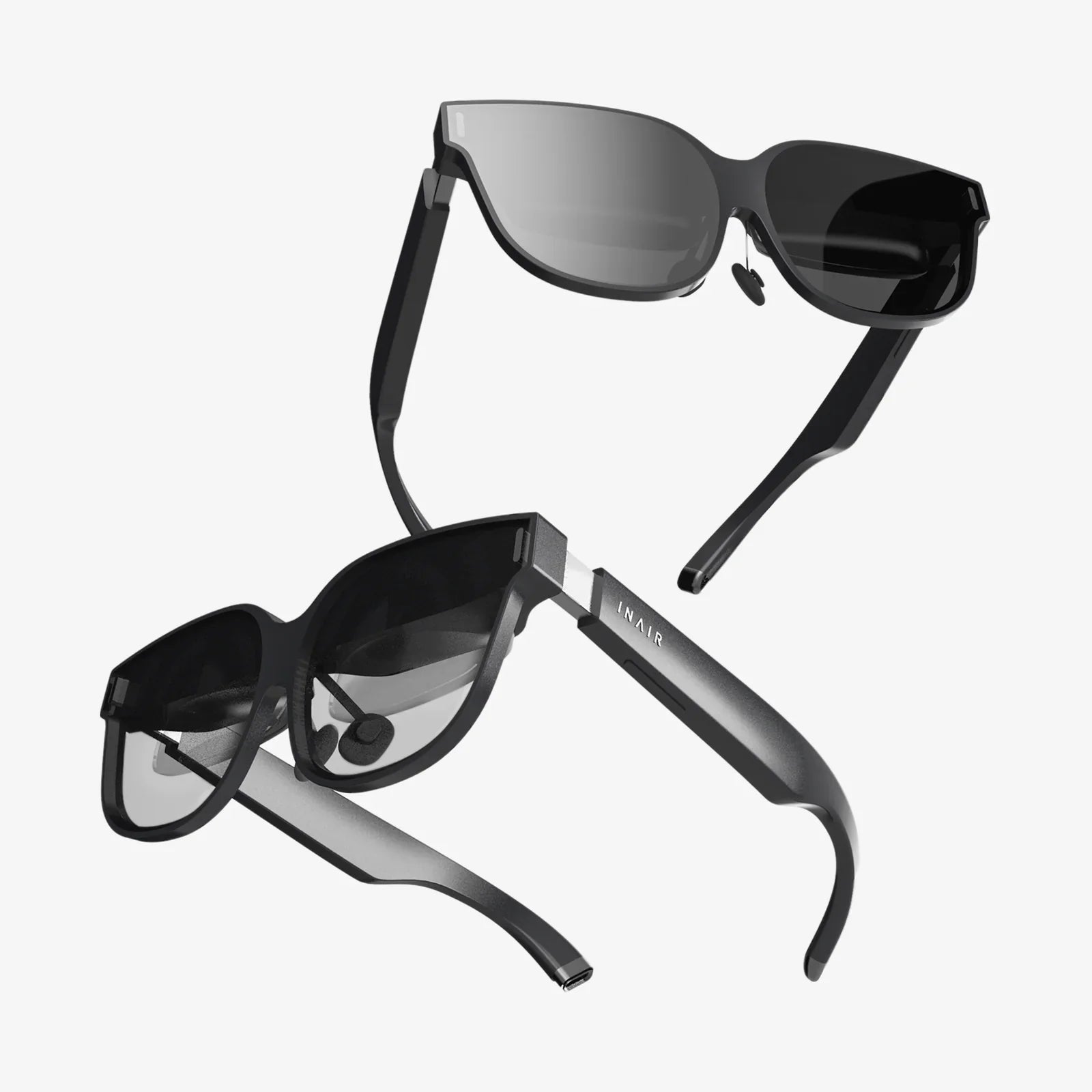
Imagine slipping into a universe of boundless possibility, a digital realm where the only limit is your imagination, all from a device that fits snugly in your palm. The quest for the perfect blend of portability and power has defined the latest wave of virtual reality innovation, leading us to the pinnacle of personal tech: the best small VR headset. This isn't just about shrinking hardware; it's about expanding horizons, making immersive experiences more accessible, comfortable, and integrated into our daily lives than ever before. If you're ready to step into the future without being weighed down by it, you've come to the right place.
The Allure of Compact Virtual Reality
For years, virtual reality was synonymous with bulky helmets, a tangled web of cables, and external sensors that required a dedicated room. It was an incredible experience, but also an imposing one. The emergence of small form-factor headsets has fundamentally changed this narrative. They represent a paradigm shift from a stationary, complex setup to a dynamic, intuitive, and personal portal to virtual worlds.
The primary advantage is undeniable: portability. A compact headset is easy to transport, store, and share with friends. It transforms VR from a niche hobby confined to a specific room into a social experience you can bring to a gathering or a personal escape you can enjoy on a lunch break. This portability is intrinsically linked to accessibility. With a lower barrier to entry—both in terms of physical setup and often cost—these devices open the door for a wider audience to experience the magic of VR.
Furthermore, a smaller design directly contributes to comfort during extended use. By redistributing weight and utilizing advanced materials, manufacturers have been able to reduce neck strain and facial pressure, making hour-long gaming sessions or immersive film-watching a genuinely pleasant experience. This focus on ergonomics ensures that the technology fades into the background, allowing you to focus entirely on the experience itself.
Key Features to Look For in a Compact Powerhouse
When navigating the market for a small VR headset, size isn't the only metric that matters. True quality is found in the harmonious integration of several critical components. Compromising on these can turn a promise of immersion into a frustrating gimmick.
Visual Fidelity: Resolution, Lens Clarity, and Refresh Rate
The window to any virtual world is its display. For a headset to be truly immersive, it must overcome the visual shortcomings of earlier generations. Look for a high per-eye resolution; this is crucial for eliminating the "screen door effect" (the visible grid between pixels) and rendering crisp, clear text and intricate details. This is often measured in a combined resolution or stated directly for each individual display.
Equally important are the lenses. Advanced pancake lenses have become a game-changer for compact designs. Unlike traditional Fresnel lenses, which require a certain distance between the lens and the screen, pancake lenses fold the light path, allowing for a dramatically slimmer profile without sacrificing image quality or a large sweet spot—the area where the image remains in clear focus. A high refresh rate (90Hz and above) is also vital for smooth, fluid motion, which drastically reduces the potential for motion sickness and enhances the feeling of "being there."
Processing Power: Standalone vs. Tethered
This is a fundamental division in the VR landscape. Standalone headsets have all the necessary computing power built directly into the unit. They are completely wireless, self-contained, and offer unparalleled freedom of movement. The trade-off is that their processing power, while impressive for their size, may not match the raw graphical output of a high-end gaming computer.
Tethered headsets, on the other hand, act as a display and sensor hub for a powerful external computer. This setup delivers the highest possible visual fidelity and performance, capable of running the most demanding VR games and simulations. However, it sacrifices wireless freedom and requires a significant investment in complementary hardware. Some modern small headsets cleverly offer both modes, functioning as a standalone device for convenience and a tethered device for peak performance.
Tracking and Controllers: Your Bridge to the Virtual
How you interact with a virtual environment is just as important as how you see it. Inside-out tracking is now the standard for compact devices. This technology uses cameras mounted on the headset itself to map the room and track the position of the controllers, eliminating the need for external base stations. It's elegant, efficient, and perfect for a portable setup.
The controllers themselves should feel like a natural extension of your hands. Haptic feedback (subtle vibrations), ergonomic design, and accurate finger-tracking all contribute to a deeper sense of presence. The ability to make a fist, give a thumbs-up, or point a finger within the virtual world creates an incredibly intuitive and powerful connection to the experience.
Content Library: The Soul of the System
A headset is merely a vessel without compelling content. The strength and diversity of its available software ecosystem are paramount. Before committing, explore the associated digital storefront. Is there a robust selection of games across genres—from intense action titles to peaceful puzzles? Are there creative tools, social platforms, and fitness applications? A strong, curated library with a healthy stream of new releases indicates a platform with long-term support and a vibrant community.
The Ideal User: Who Are Compact Headsets For?
The best small VR headset isn't for everyone, but it represents the ideal entry point for a massive segment of users. It is the perfect choice for:
- The VR Beginner: Someone curious about virtual reality but hesitant to invest in a complex, expensive setup. The simplicity and approachable nature of a compact device make for a gentle and exciting introduction.
- The Frequent Traveler: An individual who wants to bring their entertainment with them. Whether on a long flight or in a hotel room, a portable headset can transform any space into a private theater or arcade.
- The Social Butterfly: A person who loves to share experiences. The ease of passing a small, wireless headset around a room makes VR a fantastic social activity for parties and family gatherings.
- The Fitness Enthusiast: Someone looking for a fun way to break a sweat. Wireless freedom is non-negotiable for active VR fitness apps, and a lightweight, comfortable headset is essential for a good workout.
- The Media Consumer: A user primarily interested in watching immersive films, virtual concerts, or exploring 360-degree documentaries. For these experiences, comfort and visual clarity are king, making a well-designed compact headset ideal.
Beyond Gaming: The Expansive World of Compact VR
While gaming is a massive driver of VR technology, the applications for a small, capable headset extend far beyond. They are becoming powerful tools for productivity, connection, and well-being.
Imagine attending a meeting where you share a virtual whiteboard with colleagues from across the globe as if you were in the same room. Or using multiple virtual monitors to code or design, creating a limitless workspace that fits in your backpack. Compact VR makes these productivity scenarios not just possible, but practical.
In the realm of social connection, these devices allow you to hang out in virtual spaces, play games with friends, or simply watch a movie together, sharing reactions through avatars that reflect your real-time expressions and gestures. This creates a sense of togetherness that flat screens and video calls cannot replicate.
Furthermore, the wellness industry has embraced VR. Guided meditation apps can transport you to a serene beach or a tranquil forest to aid mindfulness. Fitness applications provide engaging and structured workouts that feel more like play than exercise. The accessibility of a small headset encourages regular use for these health-conscious activities.
Making Your Decision and Stepping Into the Future
Choosing the right model requires honest self-reflection. Prioritize your needs. Is absolute graphical fidelity your main goal, or is wireless freedom more important? How much are you willing to invest? How will you primarily use it: for gaming, fitness, socializing, or media? Answering these questions will guide you toward the perfect device for your lifestyle.
Remember to consider the entire ecosystem, including potential subscription costs for content services and the price of accessories like additional face gaskets for hygiene or a more comfortable head strap for longer sessions. Read reviews, watch hands-on videos, and if possible, try before you buy.
The journey to find the best small VR headset is a journey toward a more integrated and seamless technological future. It’s about choosing a device that doesn't ask you to adapt to it, but one that adapts to you—fitting into your life, your space, and your sense of adventure. The era of cumbersome VR is over; the age of personal, powerful, and portable immersion is here.
Your portal to countless worlds awaits, and it's more inviting and accessible than you ever thought possible. The revolution won't be televised; it will be experienced, firsthand, through a lens of incredible clarity and comfort, waiting for you to take that first step inside. Don't just watch the future happen—dive in and experience it for yourself.
Share:
Extended Reality (XR) in Business: The Next Frontier of Digital Transformation
Best Smart Phone VR Headset: Your Ultimate Portal to Immersive Realities