


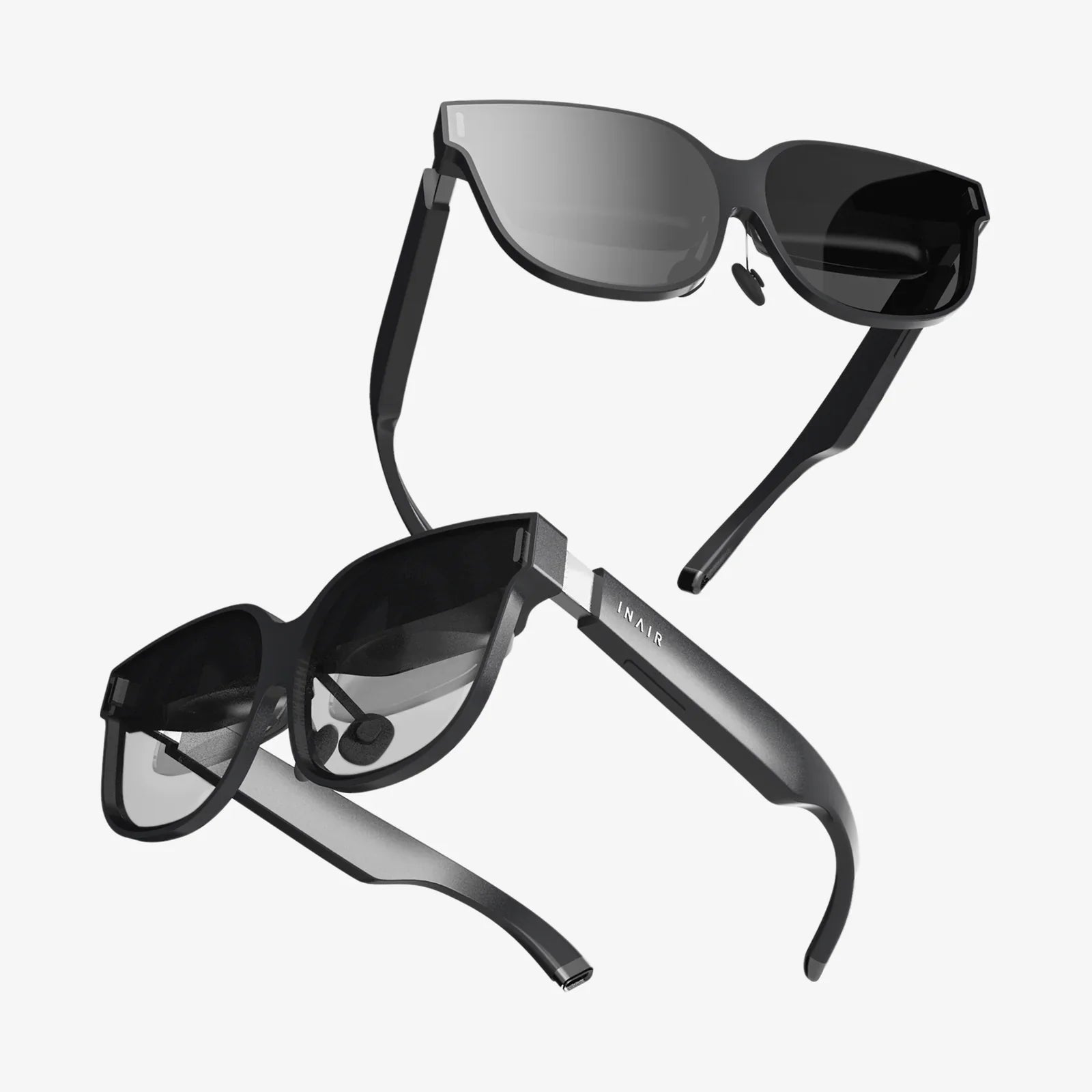
- by wangfred
Best Smart Glasses 2025 Smart Glasses Comparison - The Ultimate Buyer's Guide
- by wangfred
Imagine a world where your field of vision becomes a dynamic canvas for information, communication, and augmented reality, all seamlessly integrated into a pair of stylish frames you'd be proud to wear. This is no longer the stuff of science fiction; it's the reality promised by the best smart glasses of 2025. The market has exploded with options, each vying to be your window to a digitally-enhanced world, making a comprehensive comparison more critical than ever before.
The evolution from clunky, obtrusive prototypes to sleek, consumer-ready devices has been nothing short of remarkable. This year's models are lighter, more powerful, and infinitely more useful, blurring the line between a tech gadget and a fashion accessory. But with so many choices, how do you determine which pair is truly the best for your needs, lifestyle, and budget? This guide will cut through the hype and provide a detailed, objective comparison of the key features, technologies, and considerations that define the top contenders in 2025.
Underneath the sleek exteriors of the best smart glasses of 2025 lies a sophisticated blend of hardware and software. Understanding these core technologies is the first step to making an informed decision.
The display is the heart of the smart glasses experience. In 2025, two primary technologies dominate:
The choice often comes down to a trade-off between a larger, more immersive AR field of view (typically waveguides) and exceptional color vibrancy (often found in MicroLED solutions).
Processing power has seen a massive leap. These are no longer simple notification relays; they are full-fledged wearable computers. Dedicated, low-power processors handle everything from spatial tracking to rendering complex AR visuals. The real game-changer in 2025 is the integration of dedicated Neural Processing Units (NPUs) or AI co-processors directly onto the glasses' chipset.
This on-device AI enables features like real-time language translation displayed directly in your vision, instant object recognition, and advanced contextual awareness without a constant, bandwidth-heavy connection to your phone or the cloud. This means faster response times and drastically improved privacy and battery life.
To interact with the real world, smart glasses need to understand it. A suite of tiny, high-resolution cameras and sensors—including depth sensors, accelerometers, gyroscopes, and magnetometers—work in concert to map your surroundings in 3D. This allows for persistent digital content that can occlude behind real-world objects and interact with your environment. Privacy remains a paramount concern, and manufacturers have implemented hardware solutions like physical camera shutters and LED activity indicators, alongside robust software controls that give users complete command over their data.
When comparing the myriad of options available, you should weigh the following factors most heavily.
Battery technology is the single biggest constraint on wearable design. In 2025, you'll generally find two paradigms:
Consider your typical daily routine. Will you have access to a charger? Is all-day use without a tether non-negotiable?
The best smart glasses of 2025 finally look like regular glasses. The era of geeky, one-size-fits-all designs is over. Manufacturers partner with renowned designers and offer a wide array of frame styles—from classic aviators and wayfarers to modern, minimalist geometric shapes. Interchangeable lenses (both prescription and non-prescription) are now standard, with seamless integration of optometrist-prescribed lenses directly into the smart frame. Weight is a critical factor; the top models are now under 50 grams, making them comfortable for extended wear.
Audio delivery has also evolved. Most models use bone conduction or miniature directional speakers that beam sound directly into your ears without blocking ambient noise. This is crucial for situational awareness, allowing you to listen to music or take a call while still hearing the world around you. For private listening, many are compatible with ultra-compact Bluetooth earbuds. Audio quality has improved dramatically, with spatial audio and advanced bass enhancement becoming common features.
Seamless connectivity is what makes smart glasses truly smart. Bluetooth Low Energy 5.3 is standard for connecting to your phone, while Wi-Fi 6/6E support is common on all-in-one models for high-bandwidth tasks. The underlying operating system and its associated app ecosystem are just as important as the hardware. A robust platform encourages developers to create innovative AR applications, from immersive gaming and navigation to professional tools for remote assistance and 3D design visualization. Compatibility across different mobile operating systems is also a key differentiator.
The "best" smart glasses are entirely subjective and depend on how you plan to use them.
If you're looking to replace monitors and create a portable workspace, prioritize models with a wide field of view, high-resolution displays, and excellent multi-window support for apps. All-day battery life, either through a large internal cell or a companion battery pack, is essential. Comfort for 8+ hours of wear is non-negotiable.
For runners, cyclists, and hikers, key features include durability, a secure fit, high-brightness displays visible in direct sunlight, and comprehensive health sensors like heart rate monitors and built-in GPS. Long battery life and action-camera capabilities for capturing a first-person perspective are also major perks.
If your focus is on social media, messaging, and consuming content, look for glasses with a great camera for quick photos and videos, intuitive voice controls, and excellent open-ear audio for podcasts and music. Stylish design that you don't mind being seen in on video calls is a must.
The journey to find the perfect pair of smart glasses is a personal one, but it's a journey worth taking. The technology has matured to a point where it genuinely enhances daily life without compromising on style or comfort. By focusing on the core technologies that matter most—display clarity, intuitive AI, and all-day usability—you can cut through the marketing noise. The best smart glasses of 2025 aren't about isolating you from the world; they're about connecting you to it in richer, more meaningful, and more informed ways. Your perfect vision of the future, both digital and real, is finally ready to be worn.