


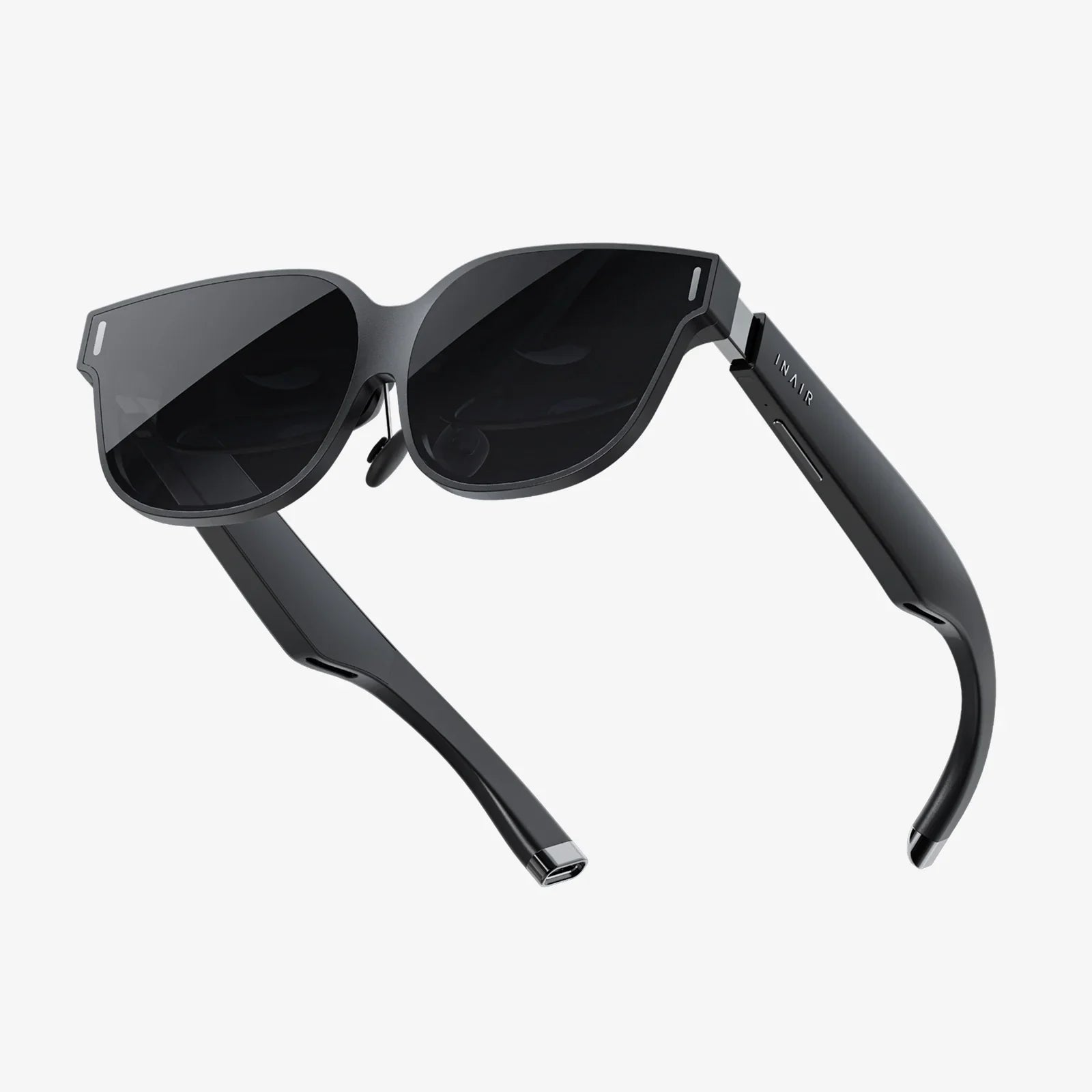
Imagine a world where information flows seamlessly into your field of vision, where digital assistants whisper in your ear without a visible earpiece, and where your memories are recorded from a first-person perspective, all while looking like you're wearing a sleek, modern pair of spectacles. This is no longer the stuff of science fiction; it's the reality offered by the latest generation of smart glasses available online. The quest for the perfect pair, the best smart glasses online, is a journey into the forefront of wearable technology, blending fashion with formidable function. But with a rapidly expanding market, how do you cut through the noise and find the pair that truly fits your life? This definitive guide is your map to navigating the digital shelves and making an informed, future-proof purchase.
The Evolution of Eyewear: From Vision Correction to Augmented Reality
The concept of smart glasses has undergone a dramatic transformation. Early iterations were often bulky, expensive, and socially awkward, limiting their appeal to a niche audience of tech enthusiasts. Today, the landscape is entirely different. Advances in micro-electronics, battery technology, and optical engineering have enabled manufacturers to pack incredible features into frames that are often indistinguishable from traditional designer eyewear. This evolution has been driven by a fundamental understanding: for smart glasses to become mainstream, they must first be glasses. They must be lightweight, comfortable, and, most importantly, stylish. The modern online market reflects this, offering a spectrum of devices from minimalist audio-focused models to full-color augmented reality (AR) experiences, all designed with aesthetics in mind.
Decoding the Technology: What Makes Glasses "Smart"?
At their core, smart glasses are a wearable computer for your face. Their intelligence is derived from a sophisticated combination of hardware and software. Understanding these components is key to identifying which pair is right for you.
- Micro-Displays and Optical Systems: This is how information is projected into your eye. Different technologies are employed, from LED arrays that display simple notifications to micro-OLED screens that project vibrant, full-color holograms onto waveguide combiners or other lenses, overlaying digital content onto the real world.
- Audio Systems: Many smart glasses forgo traditional headphones in favor of innovative audio solutions. Bone conduction technology transmits sound through vibrations in your skull bones, while open-ear speakers direct audio into your ear canal without blocking ambient noise, allowing you to stay aware of your surroundings.
- Sensors: A suite of sensors acts as the glasses' eyes and ears. This can include accelerometers, gyroscopes, magnetometers, ambient light sensors, and, in higher-end models, depth sensors and cameras for capturing photos and video or mapping your environment for AR.
- Connectivity: Bluetooth is standard for connecting to your smartphone, acting as a remote control and content source. Some advanced models also feature Wi-Fi and GPS for greater independence.
- Battery Life: Typically housed in the temples, the battery is the lifeblood of the device. Life varies wildly, from 3-4 hours of active AR use to multi-day battery life for models focused primarily on audio.
Key Features to Look For When Shopping Online
Scrolling through product listings can be overwhelming. Focus your search by prioritizing the features that align with your intended use.
- Display Type (If Any): Do you want a full AR experience with a visual overlay, or are you primarily interested in audio features with simple LED notification systems?
- Audio Quality: For music, podcasts, and calls, audio fidelity and speaker type (open-ear vs. bone conduction) are paramount. Read reviews specifically addressing call quality in noisy environments.
- Camera Capabilities: If first-person photography and videography are important, scrutinize the camera's resolution, video quality, and image stabilization features.
- Voice Assistant Integration: Seamless access to Siri, Google Assistant, or Alexa is a core feature for many, enabling hands-free control of your devices and access to information.
- Design and Fit: This cannot be overstated. Use online sizing guides meticulously. Look for adjustable nose pads and temple arms. Many brands offer virtual try-on tools using your phone's camera—use them!
- Interchangeable Lenses: Can you swap out the standard lenses for prescription lenses or different tinted shades? This is a critical feature for those who need vision correction or want a single pair for indoor and outdoor use.
- IP Rating: A rating for resistance against dust and water (e.g., IP54) is essential for athletes or those who want to wear their glasses in all weather conditions.
Navigating the Online Marketplace: A Buyer's Checklist
Buying wearable tech online requires a more diligent approach than purchasing a standard product. Here’s your action plan for a successful purchase.
- Identify Your Primary Use Case: Are you a runner seeking motivational audio and safety? A professional wanting discrete notifications during meetings? A creator looking for a hands-free camera? Your primary goal will immediately narrow the field.
- Set a Realistic Budget: Prices range from under a hundred to well over a thousand currency units. Determine what you're willing to invest before you fall in love with a feature set you can't afford.
- Read Expert and User Reviews: Don't rely on marketing copy. Seek out detailed video and written reviews from reputable tech publications. Then, dive into user reviews on retail sites to understand long-term satisfaction and common issues.
- Understand the Return Policy and Warranty: Fit is personal. Ensure the retailer or manufacturer offers a hassle-free return window in case the glasses are uncomfortable or don't meet your expectations. Check the length and coverage of the warranty.
- Check Software and App Compatibility: Ensure the companion app is well-rated and compatible with your smartphone's operating system (iOS/Android). The software experience is half of the product.
The Future is Clear: Where Smart Glasses Technology is Headed
The devices available today are merely a glimpse of what's to come. The industry is racing towards a future where smart glasses are as ubiquitous as smartphones. We can expect to see even more compact designs with dramatically improved battery life, thanks to more efficient chipsets and new battery chemistries. Display technology will continue to advance, offering wider fields of view, higher resolution, and more natural integration with our visual perception. Furthermore, the development of more powerful and context-aware artificial intelligence will make interactions more intuitive and predictive, transforming smart glasses from a novel gadget into an indispensable personal assistant that understands and anticipates our needs. The line between the physical and digital worlds will continue to blur, all through a lens we wear every day.
Your perfect pair of smart glasses is out there, waiting on a digital shelf. They promise to untether you from your phone, amplify your capabilities, and capture your world from a brand-new perspective. By arming yourself with the knowledge of how they work, what features matter most, and how to navigate the vast online marketplace, you're no longer just a consumer—you're an early adopter stepping into the next computing revolution. The future is not in your pocket; it’s on your face, and it’s looking brighter than ever.
Share:
Different AR: Exploring the Spectrum of Augmented Reality Technologies and Their Future Impact
Most Expensive VR Goggles: A Deep Dive into the Pinnacle of Immersive Technology