


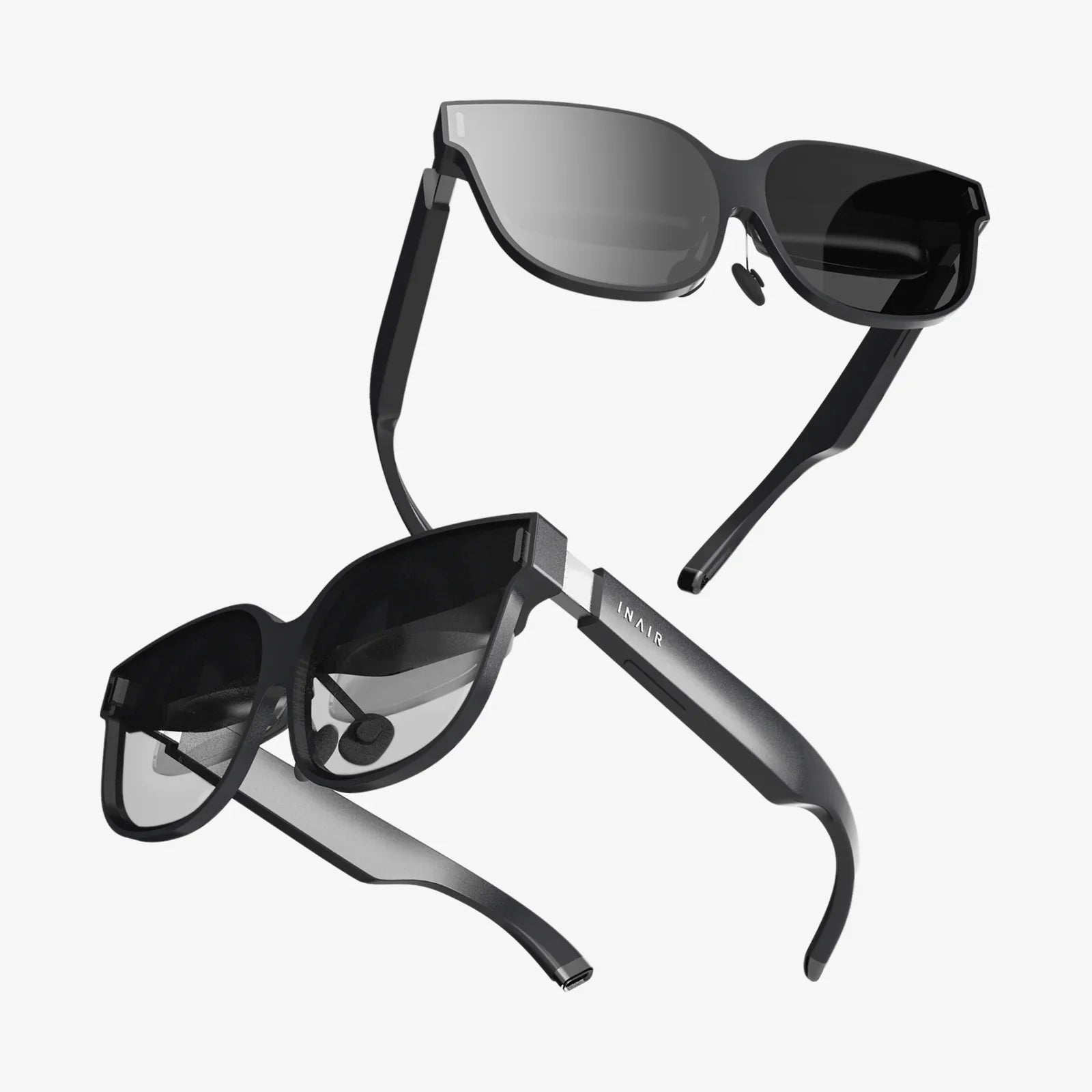
Imagine stepping into another world, no strings attached. The dream of pure, unadulterated virtual reality, free from the shackles of cables and external computers, is no longer science fiction. The quest for the best standalone VR goggles is a journey into the heart of this technological revolution, a pursuit of pure immersion that fits on your face and runs on its own power. This isn't just about playing games; it's about redefining how we connect, work, learn, and escape. The market is buzzing with options, each promising a portal to new dimensions, but what truly separates the exceptional from the merely adequate? Let's dive deep into the core of standalone VR and uncover what makes a pair of goggles truly stand alone.
The Allure of Untethered Freedom
The primary and most obvious advantage of standalone VR goggles is the liberation they offer. Unlike their PC-powered counterparts, which require a high-end computer and a tethering cable that constantly reminds you of the real world, standalone headsets are entirely self-contained. This freedom is transformative. It allows for a level of physical engagement and spontaneity that tethered systems simply cannot match. The ability to spin 360 degrees without a second thought, to take your VR system to a friend's house in a simple carrying case, or to simply pick it up and be inside an application within seconds cannot be overstated. This convenience factor is the cornerstone of the standalone VR proposition, making high-quality immersive technology accessible to a much broader audience.
Deconstructing the Technology: What's Inside the Box?
To understand what makes the best standalone VR goggles, one must first appreciate the engineering marvel they represent. Packing the necessary computing power, displays, sensors, and battery into a comfortable, wearable form factor is a significant challenge.
The Brain: System-on-a-Chip (SoC)
At the heart of every standalone headset is a powerful System-on-a-Chip. This isn't a mobile processor from a smartphone; it's a highly specialized piece of silicon designed to handle the immense parallel processing demands of VR. This includes rendering two high-resolution displays at a minimum of 72Hz (with 90Hz or 120Hz now being the target for high-end models), processing data from a myriad of sensors, and running complex environmental understanding algorithms. The efficiency of this SoC is paramount, as it directly impacts performance, heat generation, and battery life. The best devices utilize chipsets built on advanced manufacturing processes, balancing raw graphical power with thermal and power management.
The Eyes: Lenses and Displays
The visual fidelity of a VR experience is dictated by the combination of its displays and lenses. Modern standalone headsets are moving away from traditional LCDs towards Fast-Switch LCDs and OLED displays, which offer better contrast, deeper blacks, and reduced motion blur. Resolution is critical; the higher the resolution, the sharper the image and the less visible the "screen door effect" (the fine lines between pixels). However, resolution is only part of the story. The lenses are equally important. Fresnel lenses have been common, but they can cause god rays and glare. The latest and most sought-after technology is Pancake lenses. These compact optical stacks use polarization folding to create a much shorter focal length, allowing for a significantly slimmer and lighter headset design without sacrificing optical quality or field of view.
The Soul: Tracking and Input
How the headset and your controllers understand the world is what breathes life into the virtual experience. This is achieved through inside-out tracking. Instead of relying on external base stations or sensors placed around the room, standalone headsets use a array of cameras and sensors mounted on the headset itself to map the environment and track the user's position and movement.
This technology has evolved rapidly. Early inside-out tracking was limited. Today, the best systems use a combination of wide-angle cameras, depth sensors, and ultra-wideband (UWB) sensors to create a rich, real-time 3D map of your playspace. This allows for features like persistent boundary setting (your guardian walls reappear exactly where you left them), high-fidelity hand-tracking that lets you use your bare hands as controllers, and mixed reality (MR) capabilities. MR is the next frontier, blending the real world, captured via the headset's cameras, with digital objects. This requires incredibly precise environmental understanding to allow virtual objects to occlude behind real-world furniture and interact convincingly with your physical space.
The Lifeblood: Software and Ecosystem
The most powerful hardware is useless without a robust software ecosystem. The best standalone VR goggles are backed by a thriving storefront filled with high-quality content—games, social experiences, fitness applications, productivity tools, and immersive media. The operating system is also crucial. A smooth, intuitive interface that makes navigating this content effortless is a key differentiator. Features like easy casting to TVs, robust parental controls, and social features that allow you to connect with friends easily elevate a device from a piece of hardware to a platform.
Key Features That Define the Best
When evaluating standalone VR goggles, several key features separate the good from the truly great.
- Visual Clarity & Comfort: A combination of high-resolution displays, advanced lenses (like Pancake optics), and a high refresh rate (90Hz+) is essential for long-term comfort and immersion. The headset must also be physically comfortable, with balanced weight distribution, adjustable straps, and interchangeable facial interfaces.
- Tracking Fidelity: Flawless inside-out tracking for both the headset and controllers is non-negotiable. The system should be responsive, accurate, and able to handle fast movements without jitter or loss of tracking.
- Mixed Reality Capability: While not a requirement for everyone, color passthrough MR is rapidly becoming a standard for high-end devices. The quality of the cameras used for passthrough is vital; it should provide a clear, low-latency view of your real environment.
- Content Library: Access to a deep and diverse library of applications is critical. A device with limited software support will quickly become a paperweight.
- Battery Life & Management: All-day battery life isn't realistic yet, but a headset should offer 2-3 hours of active use. Some innovative designs feature hot-swappable batteries or external battery packs that can be placed in a pocket to improve balance and extend playtime.
- Audio: High-quality, spatialized audio is half of the immersion. Built-in directional speakers that don't require headphones but still provide rich, private sound are a premium feature.
The Evolving Landscape of Use Cases
The applications for standalone VR extend far beyond gaming. They are becoming versatile tools for a variety of sectors.
Fitness: VR fitness has exploded in popularity. Standalone headsets are the perfect platform for rhythm games and dedicated fitness apps that provide a full-body workout, tracking calories burned and encouraging regular exercise in an engaging, fun way.
Social Connection: Social VR platforms allow people to meet, talk, play, and attend events as personalized avatars. These spaces offer a sense of presence and shared experience that traditional video calls cannot replicate, making them powerful tools for connecting with friends and family across the globe.
Productivity: The concept of the "virtual office" is gaining traction. With standalone VR, you can have multiple virtual monitors in a distraction-free environment, collaborate with colleagues on 3D models, or conduct meetings in virtual boardrooms.
Media Consumption: Watching movies on a virtual giant screen or experiencing 360-degree videos and travelogues is a compelling use case. The immersiveness of a personal cinema experience is a significant draw.
Navigating the Trade-offs and Considerations
Despite their advancements, standalone VR goggles still involve compromises. The primary trade-off is raw graphical power. A standalone headset will never match the photorealistic fidelity of a top-tier PC VR headset running on a powerful graphics card. Developers must carefully optimize their games and experiences to run on the mobile-level hardware. For many users, the convenience and freedom far outweigh this graphical compromise, especially as the visual quality of standalone devices continues to improve at a remarkable pace. Other considerations include the initial cost, the potential for motion sickness for new users, and the need for a clear, safe playspace.
The Future is Standalone and Clear
The trajectory of standalone VR is incredibly exciting. We are moving towards even lighter, more comfortable form factors with dramatically improved displays (think 8K per eye and beyond) and vastly more powerful processors. Advancements in artificial intelligence will enhance environmental understanding, making mixed reality interactions even more seamless and magical. The line between the physical and digital worlds will continue to blur, and the best standalone VR goggles will be the device that sits at the center of this convergence, serving as our window into the metaverse and beyond.
Your portal to boundless virtual worlds is waiting, and it's more accessible and awe-inspiring than ever before. The era of being tethered is over; the future of immersion is wireless, self-contained, and limited only by the imagination of developers and the capabilities of the hardware on your face. The journey to find the perfect pair is not just about specs on a sheet—it's about finding the key that unlocks experiences you never thought possible from a device you can hold in your hands.
Share:
Create a Digital Product with AI: The Complete Guide to Building, Launching, and Scaling
Create a Digital Product with AI: The Complete Guide to Building, Launching, and Scaling