


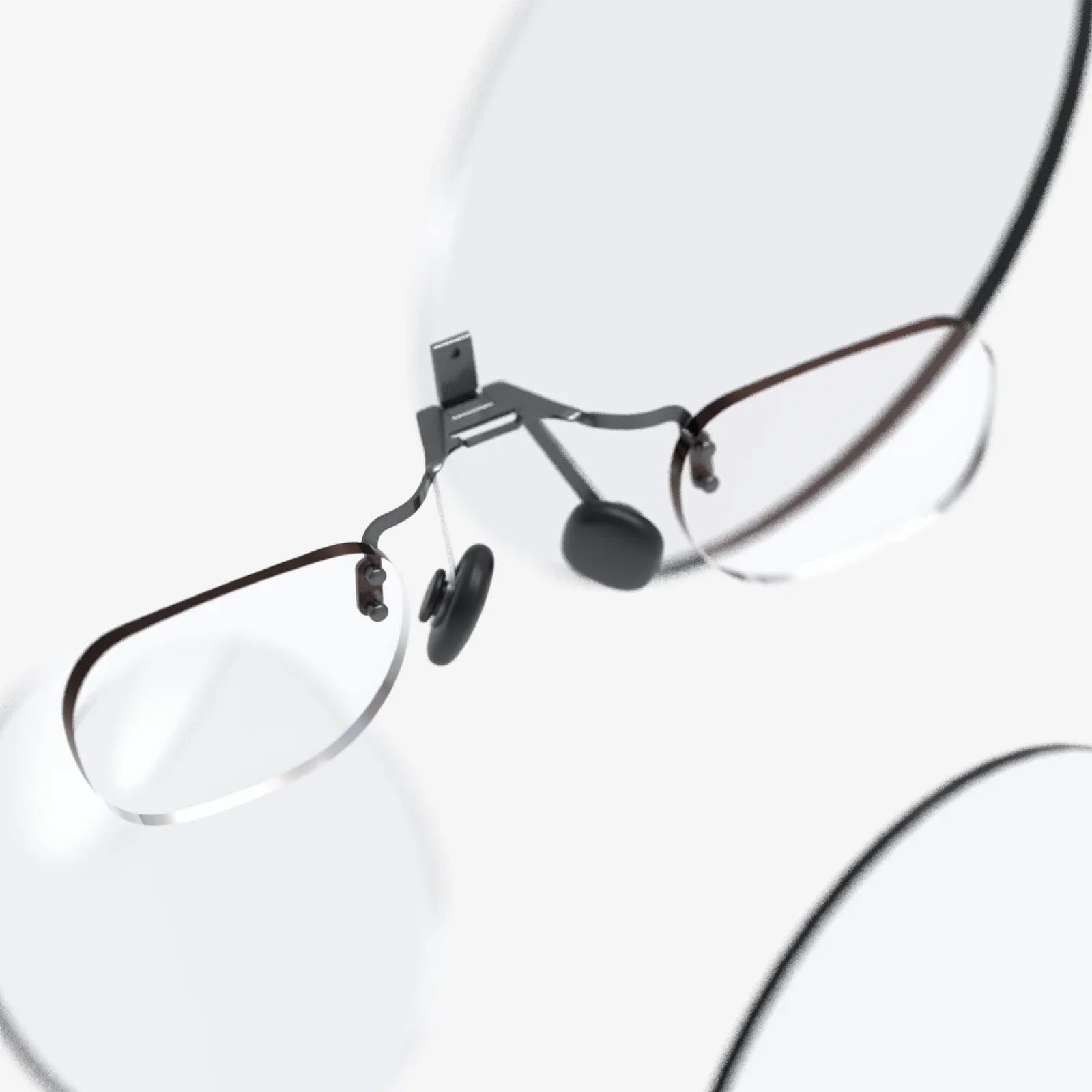
Imagine carrying a 100-inch high-definition monitor in your pocket, ready to unfold your digital workspace from anywhere, at any time. This is no longer the realm of science fiction but the tangible reality offered by the latest generation of virtual desktop glasses. These sleek, sophisticated wearables are poised to redefine our relationship with computers, work, and entertainment, untethering us from traditional screens and physical offices. The promise is immense: infinite screen real estate without the bulk, unparalleled focus in a world of distractions, and a truly portable cinema. But navigating this emerging technology to find the best virtual desktop glasses for your unique needs requires a deep understanding of how they work and what separates a groundbreaking experience from a mere gadget.
The Technology Behind the Display: How They Create a Virtual Desktop
At their core, these devices are marvels of optical engineering. Unlike their virtual reality counterparts designed for full immersion in 3D environments, virtual desktop glasses are typically categorized as optical see-through augmented reality glasses or immersive personal viewers. They utilize micro-OLED displays, incredibly small but exceptionally bright and high-resolution screens positioned near your temples. These micro-displays project images through a series of sophisticated lenses, often called pancake lenses for their compact, folded design.
These lenses are the true heroes, performing the critical task of collimating the light. This process makes the projected image appear to be floating at a comfortable viewing distance, typically several feet away, rather than inches from your eyes. This creates the sensation of looking at a massive, floating screen that is easy on the eyes and reduces strain. The latest models boast stunning resolutions, with per-eye displays often exceeding 1920x1080, resulting in a crisp, clear virtual monitor that rivals the quality of high-end physical displays, free from the screen door effect that plagued earlier technologies.
Unlocking a World of Benefits: Why You Need a Virtual Desktop
The advantages of adopting this technology extend far beyond simple novelty. For professionals, it's a paradigm shift in productivity.
Revolutionized Productivity and Focus
The ability to create a massive, private workspace anywhere is a game-changer. You can open multiple windows side-by-side for research, coding, or writing without the constant, distracting chore of alt-tabbing between applications. This creates a state of deep focus, isolating you from the visual clutter of your physical environment. For travelers, remote workers, and digital nomads, it eliminates the compromise of working from a small laptop screen in a hotel room or café, effectively providing a dual-monitor setup that fits in a carrying case.
The Ultimate Portable Entertainment System
Beyond work, these glasses deliver a breathtaking personal theater experience. Watching movies, sports, or playing games on a virtual screen that feels 100 feet wide is an immersive experience no tablet or laptop can match. The audio is often delivered via spatial audio or bone conduction technology, providing rich, directional sound without blocking out ambient noise, allowing you to stay aware of your surroundings when needed. It’s cinema-quality viewing without disturbing others nearby, perfect for flights, late-night viewing, or simply enjoying media in a shared living space.
Ergonomics and Eye Comfort
Traditional computing forces us into fixed, often poor postures—hunching over a laptop or craning our necks toward a monitor. Virtual desktop glasses allow you to sit or recline in a neutral, comfortable position while keeping the virtual screen perfectly aligned in your field of view. Furthermore, because the virtual image is projected at a distance, it can significantly reduce eye strain associated with staring at a close-up screen for extended periods, a benefit for those who suffer from digital eye fatigue.
Critical Considerations Before You Buy
Not all devices are created equal. Identifying the best virtual desktop glasses means weighing several crucial factors against your personal use case and budget.
Display Quality and Resolution
This is the most important spec. Look for a high per-eye resolution (at least 1080p) and a high pixel-per-degree (PPD) count, which is a better indicator of sharpness than resolution alone. A PPD above 45 is desirable for clear text rendering. Color accuracy, contrast ratio (deeper blacks are better), and brightness (measured in nits) are also vital for a vivid, usable image in various lighting conditions.
Form Factor, Comfort, and Design
You'll be wearing these for potentially hours at a time. Weight distribution, padding on the nose bridge and forehead, and adjustable arms are non-negotiable for long-term comfort. Some models are designed to be worn over prescription glasses, while others offer custom optical inserts. Consider whether you prefer a fully immersive design that blocks out ambient light or a more open design that allows you to see your keyboard and coffee cup.
Connectivity and Compatibility
Most models connect to a host device—be it a laptop, smartphone, or gaming console—via a single USB-C cable that handles both video signal and power. Ensure the glasses are compatible with your devices. Some support DisplayPort Alt Mode over USB-C, while others may require specific adapters or only work with certain brands of phones or computers. Plug-and-play simplicity is a key feature to seek out.
Battery Life and Power
Many glasses are powered directly by the host device, drawing minimal power from your laptop or phone. However, some higher-end models include an external battery pack or a built-in battery to power onboard electronics for features like 3DoF (Three Degrees of Freedom) head tracking, which allows the virtual screen to remain locked in place in the real world. Understand the power requirements and how they impact your host device's battery life.
The Future is Wearable: Where This Technology is Headed
What we see today is just the foundation. The trajectory of this technology points toward even more seamless integration into our daily lives. Future iterations will likely be lighter, more stylish, and indistinguishable from regular eyewear. We can expect advancements in augmented reality overlays, where your virtual desktop is surrounded by contextual widgets and information pinned to your physical environment. The integration of AI assistants directly within the display could provide real-time information and support without ever needing to open a separate app. The line between our physical and digital workspaces will continue to blur, ultimately creating a more intuitive and powerful way to interact with technology.
The hunt for the best virtual desktop glasses is ultimately a search for freedom—freedom from the desk, freedom from screen constraints, and freedom to design your ideal digital environment. This technology empowers you to carve out a place of immense focus and immersion whether you're in a crowded airport lounge or your quiet living room. By prioritizing display clarity, ergonomic design, and seamless compatibility, you can select a pair that doesn't just add another screen to your life, but fundamentally upgrades how you interact with the digital world. The era of the portable, personal IMAX theater and infinite desktop is here, and it’s waiting to transform your workflow and play.
Share:
Best AR VR Companies Shaping the Future of Immersive Technology
Augmented Reality Marketing Trends 2025: The Future is Now and It's Interactive