


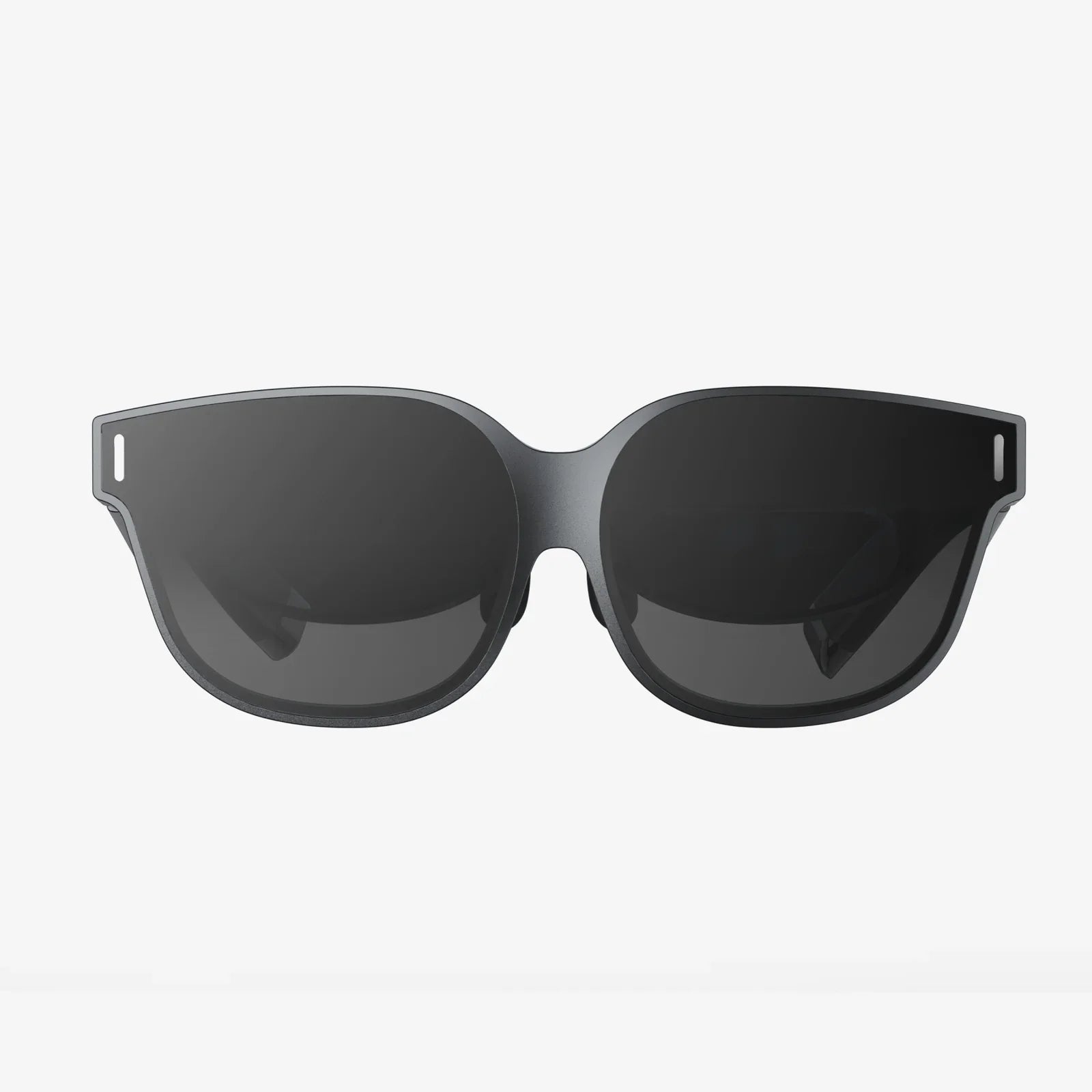
Imagine the lights dimming, the surround sound swelling, and being transported not just into the story, but into the very world of the film. The silver screen expands to fill your entire field of vision, and for two glorious hours, you are there. This is no longer a fantasy reserved for science fiction; it is the reality offered by modern virtual reality technology for cinephiles. Choosing the best virtual reality headset for movies is about more than just specs; it's about curating the most immersive, comfortable, and breathtaking personal cinema experience possible. Let's pull back the curtain and explore what truly makes a VR headset a cinematic powerhouse.
The Silver Screen in Your Eyes: Why Resolution is King
When it comes to watching movies, the single most important factor is visual fidelity. Unlike fast-paced VR games where motion tracking and refresh rates are paramount, a cinematic experience demands crystal-clear, sharp, and vibrant imagery. You're essentially staring at a massive virtual screen, and any imperfections are magnified.
The key metric here is pixels per degree (PPD). This measures the pixel density within your field of view. A higher PPD means a sharper image with less visible "screen door effect"—that faint grid-like pattern that can make it seem like you're watching through a screen mesh. For a truly immersive movie experience, a high PPD is non-negotiable.
Closely tied to this is the overall resolution of the displays. Modern high-end headsets often feature dual LCD or OLED panels with combined resolutions that rival 4K monitors or higher. OLED technology is particularly prized for its perfect blacks and incredible contrast ratio, making it ideal for dark space scenes in sci-fi or shadowy moments in a thriller. However, advanced LCDs with local dimming have closed the gap significantly, offering fantastic color accuracy and brightness.
The Comfort Conundrum: Enduring the Director's Cut
A three-hour epic is a test of endurance, not just for the characters on screen, but for the viewer wearing a headset. The best visual specs in the world are meaningless if the headset becomes unbearably uncomfortable after thirty minutes.
Weight distribution is critical. A front-heavy device will strain your neck and cheeks. Look for designs that utilize a balanced halo-style strap that encircles the head, distributing weight evenly across the crown, or a well-padded rigid strap with a top band. The materials should be soft, breathable, and easy to clean.
Another vital comfort feature is a proper IPD (Interpupillary Distance) adjustment. This allows you to physically or digitally shift the lenses to match the distance between your pupils. An incorrect IPD setting will lead to eye strain, headaches, and a blurry image—quickly ruining any movie. A physical, mechanical adjustment is generally preferred for its precision.
The Sound of Silence (and Explosions): The Audio Experience
Audio is half of the cinematic experience. In a traditional VR gaming setup, players often use a dedicated pair of headphones. For movie watching, convenience and quality are paramount.
Many modern headsets come with integrated, high-quality spatial audio solutions. These are often speakers or directional drivers that sit slightly off the ear. This design allows you to hear the immersive, 3D audioscape of the film without feeling completely isolated from your real-world environment, which can be beneficial if you need to hear a doorbell or a family member. It also prevents your ears from getting sweaty during a long session.
For the ultimate in immersive, private sound, a headset with a standard 3.5mm audio jack or support for low-latency Bluetooth audio is essential. This allows you to connect your favorite pair of high-fidelity headphones or dedicated in-ear monitors for a truly enveloping auditory experience.
Content is King: Where Will You Watch?
Your magnificent VR theater is useless without something to watch. The ecosystem and content accessibility are crucial considerations.
Most headsets offer access to major streaming services through dedicated apps. These VR apps place you in a virtual environment—a cozy cabin, a modern apartment, a moonbase—with a giant virtual screen. The quality of these apps and the available content libraries can vary.
For the true enthusiast, the ability to play 3D movies is a game-changer. VR is the perfect medium to resurrect the 3D film format, offering incredible depth and pop without the dimness of traditional theater glasses. Support for high-resolution video files with various codecs is also important for those with personal media libraries.
Furthermore, some platforms allow for web browser access, enabling you to stream content from any web-based service. The flexibility to watch anything from a browser on a massive virtual screen is an incredibly powerful feature.
Wired vs. Untethered: The Freedom to Roam (or Not)
This is a fundamental choice that defines your user experience.
Tethered Headsets connect to a powerful external computer. This connection provides maximum graphical fidelity, allowing for the highest possible resolutions, refresh rates, and visual effects. For watching high-bitrate 4K HDR or even 8K video files, a wired connection is often the most reliable and high-performance path. The downside, of course, is the physical cable, which can limit movement and require some management.
Standalone Headsets are all-in-one units with their own internal computer and battery. They offer complete freedom of movement. You can watch a movie anywhere—in your living room, in bed, or even while traveling. The convenience is unmatched. However, they must balance performance with battery life and thermal limits, which can sometimes mean slightly lower peak resolution or the need to manage charging for longer films.
Lens Technology: The Window to Your New World
The lenses are your window to the virtual screen, and their quality dramatically affects the experience.
The sweet spot—the area in the center of the lens where the image is perfectly clear—should be large and easy to find. A small sweet spot forces you to constantly readjust the headset to maintain clarity. Edge-to-edge clarity is also important, reducing blurriness in your peripheral vision when looking at a large virtual screen.
Another advancement is pancake lenses. This compact lens design allows for a much slimmer and lighter headset profile without sacrificing optical quality. They often provide a larger sweet spot and better overall clarity compared to older, bulkier Fresnel lenses.
The Intangibles: Building the Perfect Experience
Beyond the core specs, several other factors contribute to the ideal movie-watching setup.
Passthrough Mode: The ability to quickly switch to a camera view of your real surroundings is invaluable. Want to grab your drink or snack without fumbling? Good passthrough allows you to do this seamlessly without removing the headset.
Virtual Environments: The quality and variety of the virtual theaters or environments provided by the platform can enhance the ambiance. Do you want a minimalist void space or a lavish opera house? This software touch adds to the magic.
Ease of Use: The process of putting on the headset, launching your movie, and adjusting settings should be simple and intuitive. Frictionless setup means you'll use it more often.
Matching the Headset to the Cinephile
There is no single "best" headset for everyone; the best choice depends on your priorities.
The Purist: Values absolute peak visual and audio quality above all else. Willing to deal with a cable for the highest fidelity experience. Prioritizes OLED displays, high PPD, and premium audio output options.
The Convenience Seeker: Values simplicity and freedom. Wants to grab the headset and start watching without booting up a computer or worrying about cables. Prioritizes a comfortable standalone design, long battery life, and a robust, easy-to-use content ecosystem.
The Versatile Enthusiast: Wants a headset that excels at movies but is also a capable gaming and productivity device. Looks for a strong balance of specs, comfort, and a wide range of supported applications.
The journey to finding your perfect personal cinema is an exciting one. It requires balancing hard technical specifications with the soft, personal metrics of comfort and usability. By focusing on the pillars of stunning resolution, enduring comfort, immersive audio, and accessible content, you can cut through the marketing jargon and identify the headset that will truly make every movie night an event. The future of home cinema isn't on your wall; it's on your face, waiting to transport you to another world from the moment you hit play.
Share:
Latest VR: Pushing the Boundaries of Reality and Redefining Human Connection
Best VR Resolution - The Ultimate Guide to Visual Fidelity in Virtual Reality