


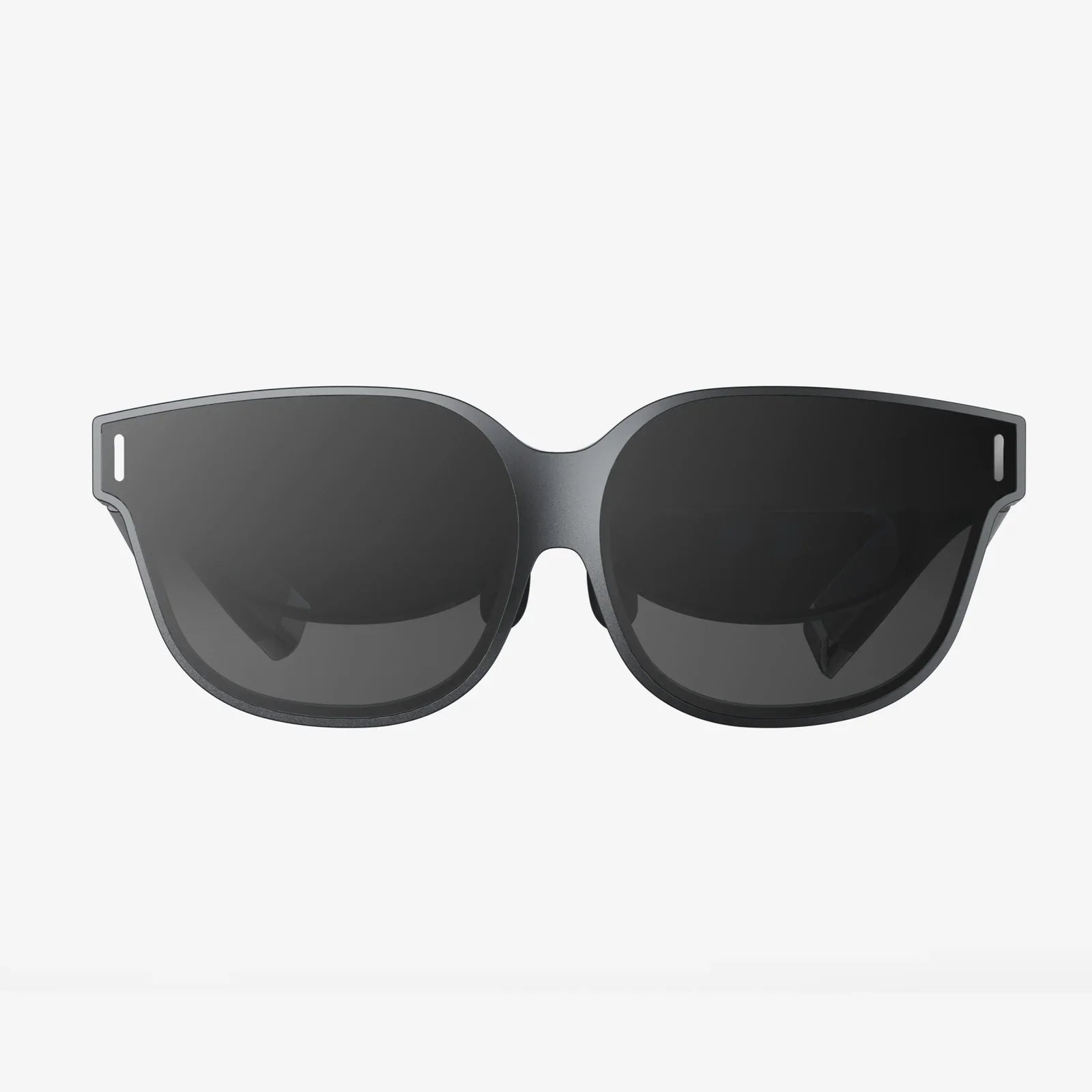
Imagine the perfect home theater: a screen so vast it fills your entire field of vision, a sound system so precise you can pinpoint the exact location of a whisper in a crowded scene, and total darkness that eliminates all distractions. Now, imagine that entire cinema is contained within a device you can hold in your hands. This is the promise of virtual reality for film enthusiasts. The quest for the best virtual reality headset to watch movies is about more than just technology; it's about fundamentally redefining our relationship with storytelling and visual media, transforming a passive activity into an immersive journey.
The Allure of the Virtual Cinema
Why would anyone trade a sleek, high-resolution television for a headset strapped to their face? The answer lies in a concept known as presence—the undeniable sensation of being physically transported to another place. A traditional TV, no matter how large, remains a window into another world. A high-quality VR headset, however, removes the window entirely. You are no longer observing the action; you are situated within it. The effect is profound, especially for epic blockbusters, sweeping nature documentaries, and animated features where scale and detail are paramount. It’s the difference between looking at a photograph of the Grand Canyon and standing on its edge.
This immersive power offers unique practical benefits. For those living in shared spaces, small apartments, or dorm rooms, a VR headset provides a personal, portable IMAX experience that doesn't disturb others. It allows for complete focus, free from the pings and notifications of modern life. For cinephiles, it unlocks the ability to watch classic films projected on a virtual silver screen, recreating the nostalgic magic of a bygone era of movie-going, all from the comfort of their favorite chair.
Decoding the Specs: What Truly Matters for Movies?
Not all headsets are created equal, especially when the primary goal is cinematic immersion. The specifications sheet can be daunting, but a few key metrics are critical for a premium viewing experience.
Display Resolution and Pixel Density (PPI)
This is arguably the most important factor. Because the screen is magnified by lenses and sits mere centimeters from your eyes, a high resolution is non-negotiable. The goal is to achieve a crystal-clear image without the "screen door effect"—that faint grid-like pattern caused by the visible gaps between pixels. For modern headsets, look for resolutions that meet or exceed what is often referred to as a key industry benchmark. A higher pixel density (pixels per inch) directly correlates with a sharper, more believable image, allowing you to appreciate the fine details crafted by cinematographers.
Lens Quality and Optical Clarity
The lenses are the gateway to the virtual world. Their job is to focus your eyes on the screen and provide a wide, clear field of view. High-quality, multi-element lenses with advanced coatings minimize visual artifacts like god rays (lens flare around high-contrast elements) and chromatic aberration (color fringing). A sweet spot—the area where the image is perfectly in focus—should be large and easy to find, reducing the need to constantly readjust the headset.
Field of View (FoV)
Measured in degrees, the Field of View determines how much of the virtual world you can see at once. A wider FoV, typically over 100 degrees, enhances immersion by making the virtual screen feel more natural and less like looking through a pair of binoculars. It helps sell the illusion that you are truly sitting in a massive theater.
Display Technology: OLED vs. LCD
This is a classic debate with clear implications for movie watching. OLED panels are celebrated for their perfect black levels and incredible contrast ratio. When a scene is set in space or a dark alley, true blacks make all the difference, allowing for incredible depth and detail in shadows. LCD panels, often using LCD technology, typically offer higher peak brightness and a higher subpixel density, which can reduce the screen door effect, but they can struggle with black levels, sometimes appearing more as a dark gray.
Comfort and Ergonomics
You can't enjoy a three-hour epic if your headset feels like a vise after twenty minutes. Comfort is a feature. A well-designed headset will distribute its weight evenly across your head and face, often using a rigid strap that cups the back of the skull. Lightweight designs are preferable. Interchangeable facial interfaces and padding allow for a custom fit and make the device easier to clean. For reclined viewing, a rigid strap is often more comfortable than a soft one.
Audio: The Unsung Hero of Immersion
Sound is half the experience. While some headsets offer high-quality integrated headphones, many now feature spatial audio through built-in directional speakers. These project sound directly into your ears while allowing you to remain aware of your real-world surroundings—a significant safety benefit. For the most immersive experience, however, a good pair of over-ear headphones that support 3D spatial audio formats will provide the richest, most directional soundscape, making you feel like you're in the middle of the action.
Wired vs. Untethered: The Freedom Trade-Off
This is a fundamental choice that defines your user experience.
Standalone (Untethered) Headsets
These all-in-one devices are the epitome of convenience. They have a built-in processor, battery, and storage, requiring no external cables or a powerful computer. You can start a movie anywhere—in your living room, on a plane (if you have the space), or in a hotel room. The trade-off is that standalone processing power and battery life can limit maximum graphical fidelity and runtime. They are perfect for users who prioritize ease of use and portability above all else.
PC-Connected (Tethered) Headsets
These headsets act as high-resolution displays, leveraging the immense processing power of a gaming computer to deliver the absolute highest possible image quality. They are capable of pushing incredibly high resolutions and refresh rates, making for a visually stunning experience that is the current pinnacle for VR cinema. The obvious downside is the physical cable, which can limit movement and remind you of the real world. They are the choice for the discerning viewer with the hardware to support them.
Building Your Virtual Theater
Once you have the hardware, the software is what brings the experience to life. Several dedicated video player applications have emerged as gold standards for VR movie watching. These apps allow you to customize your entire environment. You can choose to sit in a modern home theater, a classic movie palace, on the surface of the moon, or even in a void of infinite blackness. You can resize and reposition the screen to your liking, adjust the ambient lighting, and even stream 2D, 3D, and 360-degree videos from your personal library or online sources. The ability to watch 3D Blu-ray rips in a VR headset is a revelation for many, offering a vastly superior experience to the dim projections of old 3D televisions.
Content is King: What Can You Actually Watch?
The headset is your ticket, but you need a destination. The library of VR-specific content, while growing, is still a niche market. However, the true power of these devices lies in their ability to play traditional media on a giant virtual screen. This means you have access to your entire existing library from major streaming services, purchased digital movies, and personal media files. The experience of watching a standard 2D film is enhanced purely through scale and immersion. Furthermore, the resurgence of 3D content in VR is a major draw, as is the incredible library of 360-degree videos and documentaries that place you at the center of the action in a way flat screens never could.
Considering the Practicalities
Before taking the plunge, it's wise to consider a few realities of VR movie-watching. Battery life is a key constraint for standalone models; even the best might only last through two full-length features. For marathon sessions, a external battery pack is a essential accessory. Eye strain, while less of an issue with modern displays, can still affect some users during very long viewing periods. It's always recommended to take breaks. Finally, while the technology is incredible, it remains a solitary experience. You can't easily share the moment with a partner sitting next to you, though some social platforms are creating virtual theaters where you can watch with friends' avatars from afar.
The Future of Cinematic VR
The technology is advancing at a breakneck pace. We are rapidly approaching the point where displays will be so high-resolution that the human eye cannot distinguish them from reality. Varifocal lenses will adjust dynamically to where you are looking, providing comfort for all. Haptic feedback suits could let you feel the rumble of a spaceship's engine or the tension in a dramatic scene. The line between viewer and participant will continue to blur, potentially giving rise to new forms of interactive narrative filmmaking where you can explore the scene at your own pace. The virtual cinema of tomorrow will be almost indistinguishable from the real thing—or perhaps even better.
Your favorite film is waiting to be rediscovered, not on a rectangle hanging on your wall, but on a canvas as vast as your imagination. The best virtual reality headset for watching movies isn't just a piece of consumer electronics; it's a passport to the director's ultimate vision, an intimate and awe-inspiring escape that fits on your head. The revolution won't be televised. It will be virtual.
Share:
PlayStations VR: A Deep Dive into the Console-Based Virtual Reality Revolution
AR Maker: The Ultimate Guide to Creating Your Own Augmented Reality Experiences