


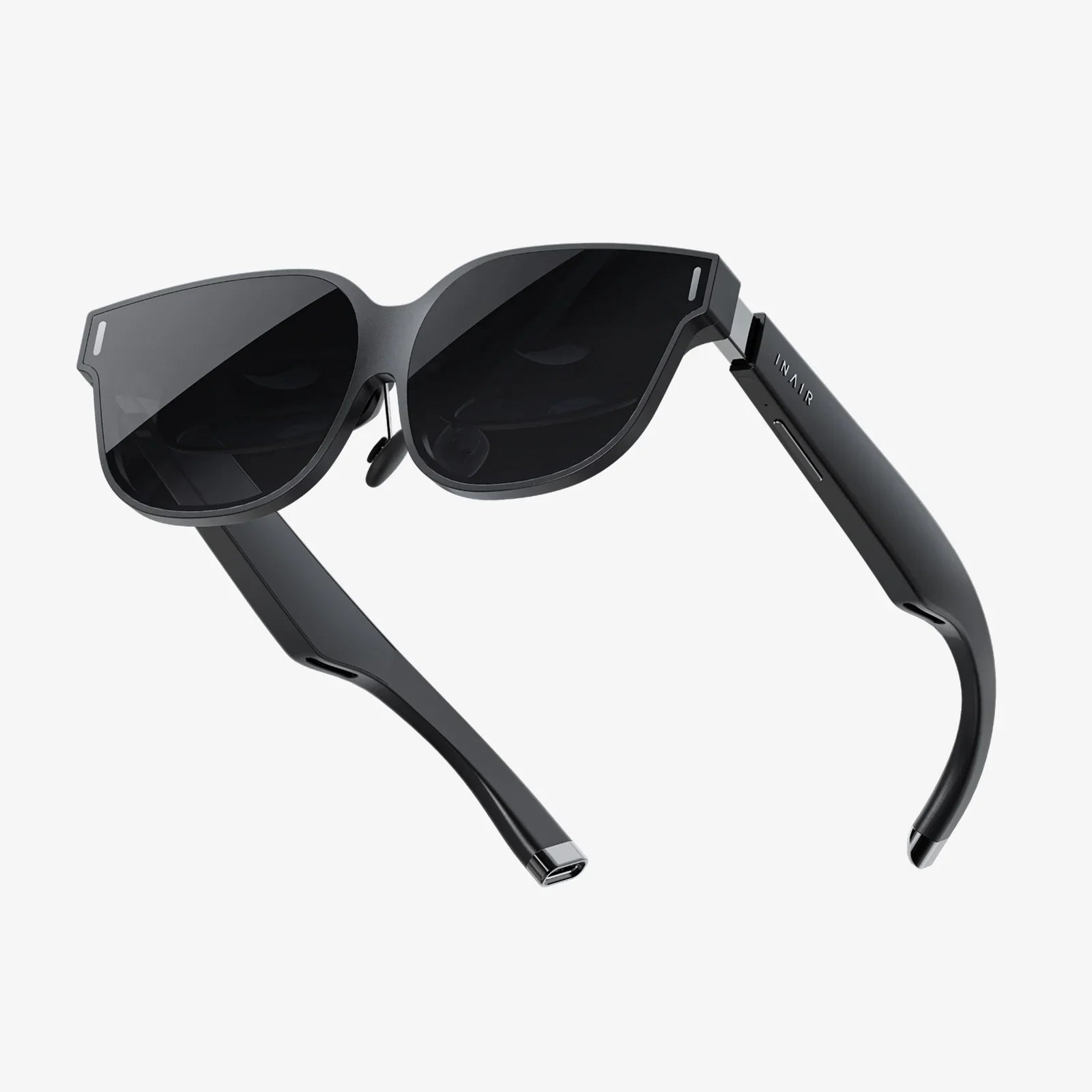
Imagine slipping on a headset so light you forget it’s there, only to be instantly transported to a concert front row, a distant planet, or a training simulation indistinguishable from reality. This isn’t a distant sci-fi fantasy; this is the promise of the best VR 2025 has to offer. The pace of innovation is not just accelerating; it’s leaping forward, blurring the lines between our physical and digital existences in ways we once only dreamed of. The next generation of virtual reality is poised to revolutionize not only how we play and connect but how we work, learn, and perceive the world itself. The future is arriving, and it’s putting on a headset.
The Visual Revolution: Beyond 8K and Into Photorealism
The most immediate and jaw-dropping advancement in the best VR 2025 systems is the staggering leap in visual fidelity. We have moved far beyond the pixelated, screen-door effect that plagued early adopters.
The new gold standard is micro-OLED and mini-LED displays, offering per-eye resolutions that meet or exceed 8K. With pixel densities soaring above 3,000 PPI (pixels per inch), the dreaded "screen door" is completely eradicated, replaced by a seamless, crystal-clear image. This is coupled with wildly expanded fields of view, often exceeding 140 degrees, which eliminates the old binocular-like tunnel vision and delivers a truly encompassing experience.
However, raw resolution is only part of the story. The real magic lies in advanced rendering techniques. Foveated rendering, now a standard and highly refined feature, uses internal eye-tracking to render only the precise center of your gaze in full detail, while intelligently reducing the processing load on the periphery. This allows even more complex and realistic environments to run smoothly. Furthermore, High Dynamic Range (HDR) support is now ubiquitous, delivering a breathtaking range of contrast, deep blacks, and vibrant colors that finally match the visual richness of high-end televisions, making virtual sunsets and explosions truly awe-inspiring.
The Haptic Horizon: Feeling the Virtual World
Visuals are just one sense, and the best VR 2025 understands that true immersion is a full-body experience. Haptic technology has evolved from simple controller rumble to a sophisticated language of touch.
Next-generation controllers are marvels of engineering, featuring an array of precise actuators and force feedback mechanisms. They can simulate the tension of drawing a bowstring, the recoil of a tool, or the subtle texture of a virtual object. The real breakthrough, however, is in haptic suits and gloves. These wearables, once the domain of high-end research labs, are becoming more accessible and refined. They use a combination of electrical muscle stimulation (EMS), vibrotactile motors, and pneumatic systems to simulate sensations across the body—from the gentle pressure of a hand on your shoulder to the impact of a virtual raindrop or the visceral thump of an explosion.
This tactile feedback is seamlessly integrated with emerging proprioceptive technology. By tricking your body's innate sense of position and movement, these systems can make you feel like you're climbing a heavy rope, resisting a strong wind, or experiencing G-forces in a virtual cockpit, all while stationary in your physical room. This multi-sensory approach is the key to unlocking profound presence.
The Intelligence Core: AI and the Responsive Metaverse
Underpinning every interaction in the best VR 2025 is a layer of sophisticated artificial intelligence. AI is no longer a backend tool; it is the dynamic heart of the virtual world, making experiences responsive, personalized, and endlessly engaging.
Procedural Content Generation (PCG), supercharged by AI, can create vast, unique, and believable environments on the fly. Instead of exploring a pre-built world, you might venture into a forest where no two trees are exactly alike, and the ecosystem reacts dynamically to your presence. Non-Playable Characters (NPCs) have undergone a revolution. Gone are the scripted robots with limited dialogue trees. Today's NPCs are powered by large language models and complex behavioral algorithms, allowing for natural, unscripted conversations and actions. They can remember your past interactions, hold unique opinions, and adapt their strategies in real-time, making every encounter feel genuine and meaningful.
This intelligent foundation is what makes the concept of a persistent metaverse finally viable. These are not just static virtual spaces but living, breathing digital societies with their own economies, cultures, and rules, all governed and enriched by ambient AI.
Neural Interfaces: The Next Frontier of Interaction
While still in its relative infancy compared to other technologies, 2025 marks the year neural interfaces began their transition from research labs to early consumer applications. This represents the most profound shift in how we interact with computers.
Non-invasive brain-computer interfaces (BCIs), often in the form of specialized bands or sensors integrated into the headset strap, can now detect rudimentary neural signals. Their initial applications are deceptively simple but incredibly powerful: facial expression tracking and neural input. By reading the faint electrical signals sent to your facial muscles, the headset can accurately render your avatar's smile, frown, or look of surprise in real-time, revolutionizing social presence in virtual meetings and gatherings.
More impressively, these interfaces are beginning to allow for control through thought alone. Imagine flicking through a virtual menu or selecting an object not with a controller, but simply by focusing on it. This technology is providing a vital new input modality for accessibility, offering new ways for individuals with physical limitations to interact with virtual worlds. It is the first step toward a future where the barrier between thought and action in VR dissolves completely.
Beyond Gaming: The Real-World Impact of VR
The narrative around VR has successfully expanded from pure entertainment to encompass vital professional and societal applications. The best VR 2025 is a tool for tangible change.
- Enterprise and Remote Work: Global teams now collaborate in photorealistic virtual boardrooms, interacting with 3D data models as if they were physical objects. Architects walk clients through unbuilt designs, and engineers perform complex machinery repairs with remote expert guidance overlaid onto their real-world view through Mixed Reality (MR) features.
- Education and Training: Medical students practice intricate surgical procedures on hyper-realistic virtual patients, making mistakes without consequence. History students don't just read about ancient Rome; they walk through a faithfully reconstructed Forum, hearing the sounds and seeing the scale of the empire around them. This experiential learning drastically improves retention and understanding.
- Healthcare and Therapy: VR exposure therapy is a proven method for treating PTSD, phobias, and anxiety disorders in a controlled, safe environment. Physical therapists use engaging VR games to guide patients through rehabilitation exercises, improving motivation and outcomes. It is also becoming a powerful tool for managing chronic pain and providing cognitive stimulation.
Choosing Your Portal: What to Look For in 2025
With such a diverse and powerful landscape, selecting the right system is about identifying your primary portal into the virtual world. The market has matured into three distinct, yet sometimes overlapping, categories.
The All-in-One Wireless Powerhouse: These standalone devices represent the heart of the consumer market. They require no external computer or wires, offering unparalleled freedom and convenience. In 2025, their processing power rivals that of older wired systems, capable of delivering stunning visuals and complex experiences anywhere you have space. They are the perfect entry point for most users, offering the best balance of performance, accessibility, and value.
The High-Fidelity Wired Behemoth: For the enthusiast who demands absolute peak performance, the PC-tethered systems remain king. Leveraging the raw power of a high-end gaming computer, these headsets push the absolute limits of graphical fidelity, frame rates, and simulation complexity. They are the choice for hardcore gamers, professional designers, and anyone for whom compromise is not an option, accepting the trade-off of a physical cable for uncompromising quality.
The Hybrid and MR Innovator: Blurring the line between the virtual and the real, these devices feature high-resolution color passthrough cameras. This allows them to function not only as immersive VR headsets but also as augmented reality (AR) devices, overlaying digital information onto your physical surroundings. They are ideal for professionals who need to interact with both digital models and their real-world workspace, as well as users who want to stay contextually aware of their environment while in VR.
The journey to find the best VR 2025 is ultimately a personal one. It’s about matching groundbreaking technology with your individual dreams—whether that’s conquering virtual frontiers, collaborating on the next great innovation, or simply sharing a laugh with a friend in a world without physical limits. The devices are no longer just gadgets; they are passports to infinite experiences, limited only by imagination. The door to these new realities is now open, waiting for you to take the first step inside and discover what happens when the digital and physical worlds not only meet but become one.
Share:
Privacy Glasses: The Ultimate Defense Against Digital Snooping
Auto Heads Up Display: The Future of Driving is Right Before Your Eyes