


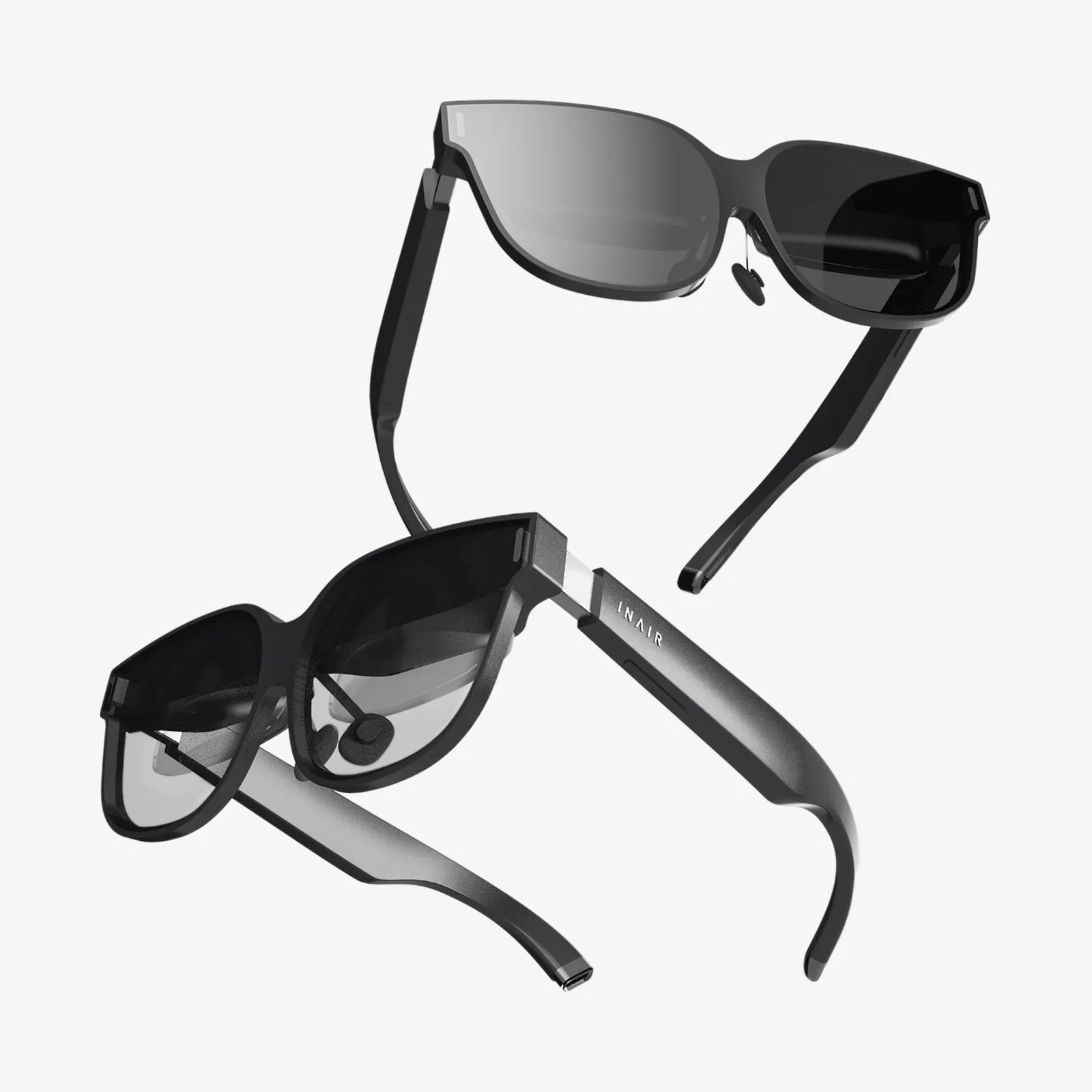
Imagine sitting on a crowded train, finalizing a confidential presentation, or scrolling through personal messages, and feeling a pair of eyes burning into your screen. That sinking feeling of being watched is a modern digital anxiety, a vulnerability we’ve all felt. But what if you could don a simple pair of sleek, unassuming glasses and instantly create a personal cone of visual privacy, making your screen visible only to you? This is no longer science fiction; it’s the reality offered by privacy glasses, a revolutionary piece of hardware poised to become as essential as a password manager in our hyper-connected, perennially public lives.
The Unseen Threat: Visual Hacking in the Wild
Before delving into the solution, it's crucial to understand the pervasive nature of the problem. "Shoulder surfing" is often dismissed as a low-tech, almost quaint form of espionage. However, its simplicity is its greatest strength. Unlike complex malware or phishing schemes, visual hacking requires no technical skill, only audacity and opportunity. Studies have repeatedly demonstrated the alarming ease with which sensitive information can be stolen through simple observation. In controlled simulations, so-called "white hat" hackers consistently breach corporate security not through digital backdoors but by walking into offices, looking over shoulders, and walking out with login credentials, proprietary data, and personal information—all within minutes.
The modern work culture of open-plan offices, coffee shop meetings, and constant travel has turned our screens into public exhibits. From financial spreadsheets and legal documents to private healthcare information and personal correspondence, the data on our devices is the most valuable asset we carry. A single glance from the wrong person can lead to identity theft, corporate espionage, or a profound violation of personal boundaries. Privacy glasses address this threat at its physical source, the light emanating from your screen, creating a barrier that is both elegant and impenetrable.
The Science of Sight: How Privacy Glasses Create a Personal Viewing Cone
At its core, the technology behind privacy glasses is a sophisticated manipulation of light. Standard displays emit light in a wide, diffuse pattern, allowing anyone within a broad viewing angle to see the content clearly. Privacy glasses work in concert with this light to fundamentally alter its journey to the human eye.
The secret lies in the lenses, which are not merely tinted but are engineered with a microscopic optical filter, often a patterned polarizer or a specialized lenticular lens array. This filter performs a precise trick: it only allows light oscillating in a specific orientation or emanating from a very narrow angular path to pass through clearly. To your eyes, positioned directly behind the lenses, the light from the screen is perfectly aligned and the image appears crisp and full. However, for anyone viewing from even a slight angle—the person next to you on the plane, the barista behind the counter, the colleague across the table—the light is blocked, scrambled, or distorted. From their perspective, your screen appears completely dark, smeared with indecipherable noise, or at best, a faint, ghostly glow devoid of any readable content.
This is a passive solution, meaning it requires no power, software, or connection to your device. It is a purely optical shield, making it immune to digital hacking or failure. You are effectively creating a dynamic, personal viewing zone that moves with you, ensuring that your digital life remains yours alone, regardless of your environment.
Beyond the Blackout: A Spectrum of Privacy and Practicality
The term "privacy glasses" might conjure an image of a screen going entirely black for outsiders. While this is one mode of operation, the technology is more nuanced. Different designs offer varying levels of privacy and practicality:
- Full Privacy Lenses: These offer the highest level of security, rendering the screen virtually invisible from any off-angle view. They are ideal for handling extremely sensitive data in high-risk environments.
- Selective Sharing Lenses: Some advanced designs allow for a collaborative mode. Perhaps the screen is blacked out to the sides but remains partially visible to someone sitting directly opposite you, enabling controlled screen sharing without sacrificing all privacy.
- Prescription Integration: Recognizing that many users already wear corrective lenses, leading manufacturers ensure that privacy technology can be seamlessly integrated into prescription lenses. This eliminates the need for cumbersome clip-ons or the hassle of switching glasses, making robust privacy a seamless part of everyday life for those who need vision correction.
- Style and Form Factor: The earliest versions of this technology were often bulky and utilitarian. Today, the market offers a wide range of styles that resemble high-end contemporary eyewear. From classic frames to modern, minimalist designs, users no longer have to choose between looking professional and being secure.
The Human Factor: Psychology and Etiquette in the Age of Personal Privacy
The adoption of privacy glasses extends beyond mere technology; it signals a shift in social norms and personal psychology. For the user, the psychological benefit is immense. The constant, low-grade anxiety of being watched—often referred to as "screen anxiety"—simply evaporates. This fosters a state of deep focus and mental calm, allowing for genuine productivity in public spaces. You can finally work on that merger document on the train or message a loved one in an airport terminal without a second thought.
Furthermore, it serves as a powerful non-verbal cue. Just as putting on headphones signals a desire to be left alone audibly, donning privacy glasses sends a clear, unambiguous message to those around you: "My digital space is private." This can help establish healthier boundaries in shared workspaces and public areas, reducing the potential for awkwardness and unintentional snooping. It transforms privacy from a hoped-for abstraction into a tangible, physically enforced reality.
Limitations and Considerations: No Silver Bullet
While powerful, privacy glasses are not a magical panacea for all security woes. It is vital to understand their scope and limitations. First and foremost, they are a local physical barrier. They do not protect your device from malware, network interception, phishing attacks, or any other digital threat. They should be used as one critical layer in a comprehensive security strategy that includes strong passwords, encryption, and vigilant digital hygiene.
Secondly, the protection is directional. It is highly effective against casual observers to the sides and front. However, someone positioned directly behind you, looking over your shoulder at a steep angle parallel to your own sightline, may still catch a glimpse. Similarly, reflections on the glasses themselves or on nearby windows can sometimes be a vulnerability, though anti-reflective coatings mitigate this. The technology is best understood as eliminating the vast majority of opportunistic visual hacking attempts, not a guarantee against a determined and strategically positioned spy.
Finally, as with any wearable technology, user adoption is key. The glasses must be worn to be effective. Forgetting them at home or choosing not to wear them negates the protection entirely. The goal is for them to become as habitual and essential as putting on a seatbelt.
A Glimpse into the Future: The Expanding Role of Visual Privacy Tech
The technology underpinning privacy glasses is just the beginning. We are moving towards an ambient computing world filled with displays—from smartwatches and augmented reality headsets to foldable phones and transparent TVs. The need for contextual visual privacy will only intensify. We can anticipate several future developments:
- Adaptive Smart Glass: Future iterations could feature lenses that can dynamically adjust their privacy level with the flick of a switch or even automatically, based on ambient light and the detected presence of others.
- Integration with AR/VR: As augmented and virtual reality platforms become workplaces and social spaces, built-in privacy filters will be paramount to prevent digital avatars from "looking over your virtual shoulder" at sensitive information floating in your AR dashboard.
- Broader Application: The core optical technology could be applied beyond glasses. Imagine privacy filters for ATM screens, point-of-sale systems, and public kiosks, protecting users from having their PINs stolen by hidden cameras or prying eyes.
The fundamental right to privacy is being contested not just in courtrooms and legislative halls, but on every subway car, airport lounge, and café. While we fight for digital rights and data protection laws, we must also empower ourselves with practical tools to reclaim our personal space here and now. Privacy glasses are that tool—a elegant, immediate, and profoundly effective declaration that your digital life is not a public spectacle. They represent a quiet revolution, one where we no longer have to sacrifice convenience for security or retreat into isolation to find solitude. The power to control who sees your world is now, quite literally, right before your eyes.
Share:
Android XR Headset Cost: A Comprehensive Guide to Pricing and Value
Best VR 2025: The Ultimate Guide to the Future of Immersive Technology