


You've seen the future in movies and read about it in tech blogs—a world where digital and physical realities blend seamlessly. The gateway to this world is an XR headset, and if you're an Android user, your mind immediately goes to one burning question: what will it cost to step through that portal? The price tag isn't just a number on a box; it's a complex equation of technology, experience, and potential. Unpacking the true cost of an Android XR headset reveals a landscape of options, from surprisingly accessible to breathtakingly advanced, and understanding this spectrum is the key to making an investment you won't regret.
Deconstructing the Price Tag: More Than Just Hardware
When we ask about the "Android XR headset cost," we're rarely asking for a single figure. The final amount you pay is a composite of several critical components, each contributing to the overall experience and financial outlay.
The Core Hardware: The Engine of Immersion
This is the most obvious cost driver. The internal specifications of a headset are its lifeblood, dictating everything from the clarity of the virtual world to the smoothness of its operation.
- Display Technology and Resolution: Are we looking at LCD or higher-end OLED panels? What is the per-eye resolution? A headset boasting 4K+ resolution per eye with high pixel density for eliminating the "screen door effect" will command a significantly higher price than one with a lower-resolution, standard refresh rate display. This is arguably the single biggest factor in perceived quality.
- Processing Power (SoC): The heart of an Android XR headset is its System-on-a-Chip. A flagship-tier mobile processor capable of handling complex 3D rendering, spatial tracking, and AI computations simultaneously is a premium component. Older or less powerful chips reduce the cost but also limit the complexity of experiences and future-proofing.
- Tracking Systems: There are two primary methods. Inside-Out Tracking uses cameras on the headset itself to map the environment and track controllers, offering great convenience and a lower cost as it requires no external hardware. Outside-In Tracking (using external base stations) is typically more accurate and preferred by high-end enthusiasts but adds to the total system cost and complexity.
- Lenses and Field of View (FoV): Premium, custom-designed pancake lenses offer a sharper image edge-to-edge and a more compact form factor than cheaper Fresnel lenses, which can suffer from "god rays" and glare. A wider field of view, which increases immersion, also requires more sophisticated optical engineering.
- Build Quality and Materials: A device made from lightweight, advanced composites with ample cushioning and a balanced weight distribution simply costs more to manufacture than one using heavier plastics and a less ergonomic design.
The Intangible Costs: Software and Ecosystem
The hardware is useless without the software that brings it to life. The cost of an Android XR headset is also influenced by the platform it runs on.
- Android as a Foundation: Using Android as the core OS is a strategic choice that reduces development time and cost for manufacturers. It provides a familiar framework for developers and access to a vast existing ecosystem of Android apps, which can be adapted for XR. This efficiency can trickle down to a more competitive consumer price point compared to building a completely proprietary OS.
- Content Library: The value of a headset is directly proportional to the quality and quantity of content available. A robust, curated store with exclusive titles, major game ports, and productive applications adds immense value to the platform. Some of this cost is recouped through platform fees on software sales, but a strong initial investment in developer support is required.
The Hidden Expenses: What's Not in the Box?
The MSRP is only the beginning. Prospective buyers must be aware of the potential for additional investments.
- Required Controllers: While many headsets include controllers, some higher-end or niche models might sell them separately, adding a few hundred dollars to the total cost.
- Software and Games: Unlike mobile apps, premium XR games and professional applications often carry console-like price tags, typically ranging from twenty to sixty dollars each.
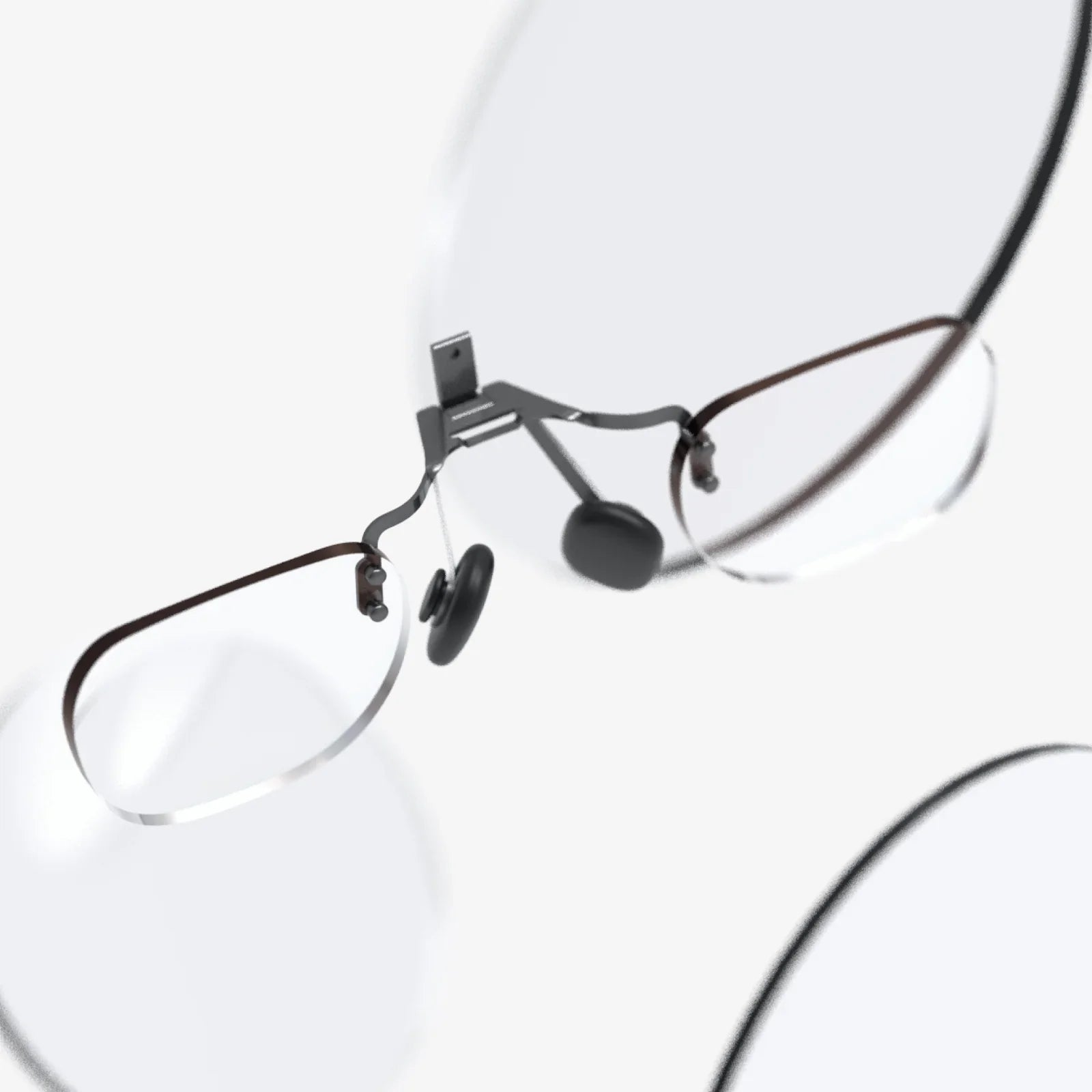
- Optional Accessories: This includes everything from additional face gaskets for hygiene ($30-$50) to prescription lens inserts for glasses wearers ($100-$150), upgraded headstraps for comfort ($50-$100), and external tracking stations for PC-linked play ($150-$300 for a pair).
- PC VR Capability: For headsets that can connect to a gaming PC to access richer libraries, the cost of that high-end PC (easily $1,000+) must be considered part of the total ecosystem investment.
The Three Tiers of Android XR Headset Cost
The market is rapidly stratifying into three distinct tiers, each with its own price bracket and value proposition.
Tier 1: The Budget-Conscious Gateway (Approx. $200 - $500)
This tier is dominated by headsets that primarily function as smartphone accessories or standalone devices with modest specs. Their primary goal is to introduce users to VR and offer casual gaming and media consumption.
- Cost Drivers: Lower-resolution LCD displays, mid-range or older processors, 3-DoF (rotation-only) or basic 6-DoF tracking, plastic builds, and a focus on a single, all-in-one unit.
- Experience: Perfect for watching 360-degree videos, playing simple mobile-style games, and experiencing basic VR. They often lack the power for complex, immersive worlds and can feel more like a tech demo than a platform.
- Target Audience: First-time users, families with children, and those curious about VR without a major financial commitment.
Tier 2: The Mainstream Sweet Spot (Approx. $500 - $800)
This is the most competitive and popular tier, representing the best balance of performance and cost. These are fully standalone 6-DoF headsets that require no phone or PC.
- Cost Drivers: High-resolution LCD or entry-level OLED displays, current-generation flagship mobile processors, advanced inside-out tracking with multiple cameras, improved lenses, and better ergonomics.
- Experience: This is where "true" VR begins. Users get access to a vast library of immersive games, social apps, and productivity tools. The experience is smooth, engaging, and capable of providing genuine presence.
- Target Audience: Gaming enthusiasts, early adopters, and professionals looking for a capable all-in-one device for work and play.
Tier 3: The Cutting-Edge Enthusiast (Approx. $1,000 and Beyond)
This tier is for those who demand the absolute best. It pushes the boundaries of what's possible in a consumer headset, often blending standalone functionality with high-end PC connectivity.
- Cost Drivers: State-of-the-art micro-OLED displays with incredible pixel density, advanced pancake lenses, eye-tracking and facial expression tracking, ultra-wide field of view, premium materials like magnesium alloy, and a complex array of sensors for mixed reality.
- Experience: Beyond premium gaming, these devices are designed for "passthrough" AR—overlaying digital information onto the real world with high fidelity. They are tools for professional designers, architects, and hardcore sim gamers who need every possible advantage and immersion.
- Target Audience: Professionals in enterprise and design, sim racing/flight enthusiasts, and consumers for whom cost is a secondary concern to having the best available technology.
Beyond the Purchase: The Long-Term Value Equation
Cost is not just about the initial purchase price; it's about value over time. A cheaper headset that becomes obsolete in a year or has no software support is a worse investment than a more expensive, supported device.
- Software Support and Updates: A manufacturer committed to regular Android OS updates and new features extends the functional life of the headset, protecting your investment.
- Ecosystem Growth: Investing in a platform with a strong and growing content library means your headset will have new experiences for years to come.
- Resale Value: Headsets from reputable brands with a strong market presence tend to hold their value better if you decide to upgrade later.
Navigating Your Purchase: A Strategic Approach
To avoid overspending or buying a device that doesn't meet your needs, follow this simple strategy:
- Define Your "Why": Are you a gamer? A socializer? A content consumer? A professional? Your primary use case will immediately narrow down the tier you should be shopping in.
- Set a Total Budget: Decide not only what you'll spend on the headset itself but also on any essential accessories and a few key titles at launch.
- Research the Ecosystem: Before falling in love with a spec sheet, investigate its content library. Does it have the apps and games you want? Is the store actively curated and updated?
- Wait for the Right Moment: The tech world has cycles. Prices often drop around major shopping holidays or when a new model is announced. A little patience can save a lot of money.
The journey into extended reality is one of the most exciting technological adventures of our time. While the landscape of Android XR headset cost may seem daunting at first glance, it ultimately reflects a mature and diverse market catering to every desire and budget. The question is no longer if you can afford to join, but how deep you want to dive into the virtual abyss. The perfect device is out there, waiting to unlock worlds you've only ever dreamed of, and its price is simply the key.
Share:
Best Rated VR System: The Ultimate Guide to Unmatched Immersive Experiences
Privacy Glasses: The Ultimate Defense Against Digital Snooping