


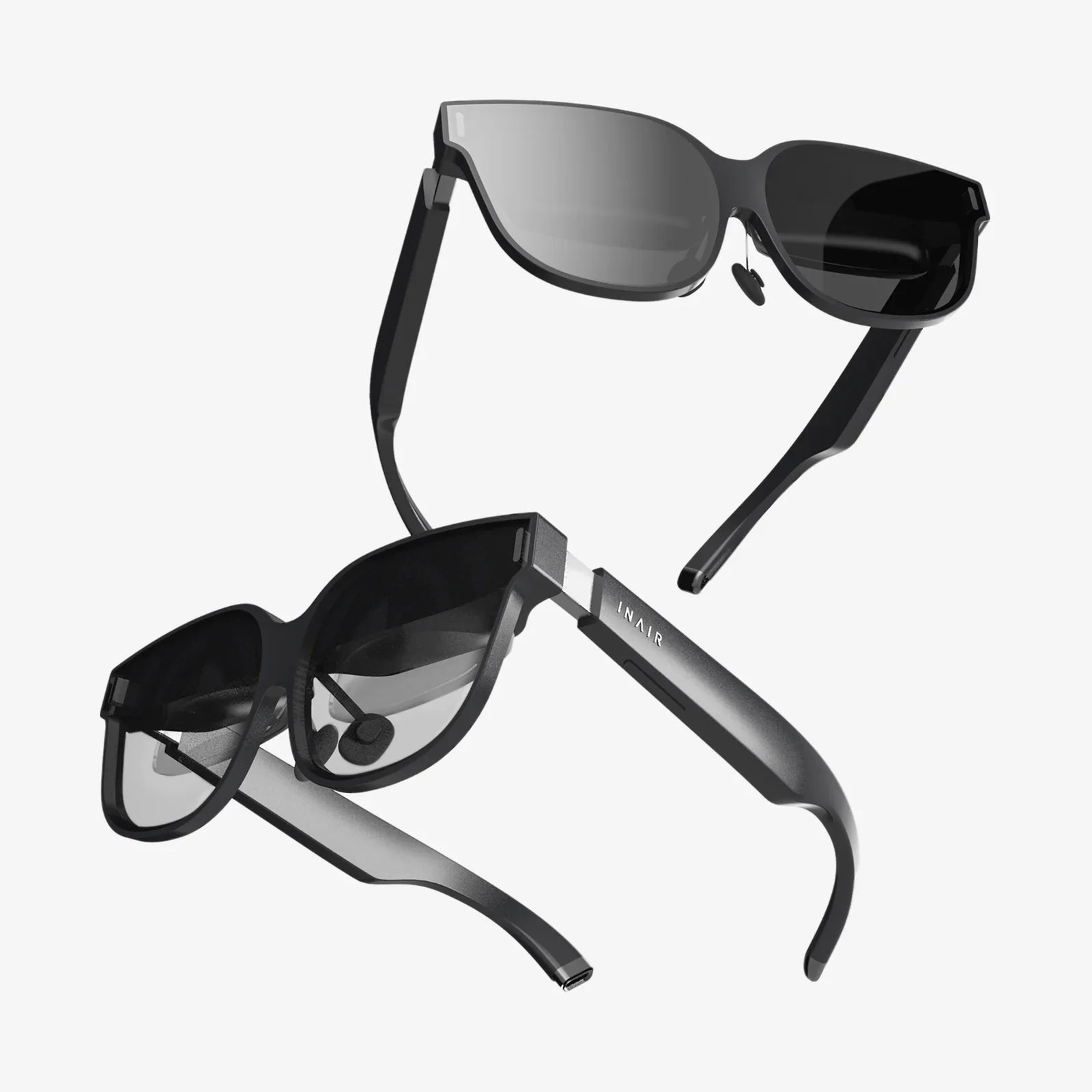
Imagine slipping on a headset and instantly being transported to another world—scaling Everest, battling intergalactic foes, or creating art in a 3D canvas limited only by your imagination. This is the promise of virtual reality, a technological frontier that has exploded from science fiction into a stunning, consumer-ready reality. But with so many options vying for your attention, how do you cut through the noise to find the truly best rated VR system? The answer lies not in a single brand name, but in a symphony of cutting-edge features, flawless performance, and an ecosystem that invites you to play, create, and connect. This ultimate guide dives deep into the core pillars that separate the exceptional from the ordinary, empowering you to discover the perfect portal to your next adventure.
The Pillars of a Top-Tier Virtual Reality Experience
Identifying the best rated VR system isn't about finding a single perfect device; it's about matching a system's capabilities to your desires and expectations. The highest-rated systems consistently excel in several non-negotiable categories, creating a holistic and transformative experience.
Visual Fidelity: A Window to Another Reality
The primary gateway to immersion is through your eyes. The quality of the display is paramount. Key metrics here include:
- Resolution and Pixel Density (PPI): Higher resolutions, such as those approaching 4K per eye or beyond, drastically reduce the "screen door effect"—that faint grid of lines between pixels that can shatter the illusion. The best systems make this effect virtually undetectable, presenting a smooth, continuous image.
- Refresh Rate: Measured in Hertz (Hz), a higher refresh rate (90Hz, 120Hz, and even 144Hz) results in incredibly smooth motion. This is critical for both immersion and comfort, as low refresh rates can cause nausea and eye strain during fast-paced action.
- Lens Technology: Advanced lens designs, like Fresnel or pancake lenses, provide a larger "sweet spot"—the area where the image is perfectly clear and in focus. This allows for a more comfortable experience with less need to constantly readjust the headset.
- Field of View (FOV): A wider FOV mimics human peripheral vision, pulling you deeper into the virtual world by reducing the binocular-like "goggle" effect. While no consumer headset offers a full 180-degree FOV, the best rated systems push the boundaries as far as technically possible.
Tracking and Controllers: Your Body in the Virtual Space
How the system translates your real-world movements into the digital realm is what makes VR active rather than passive. There are two primary tracking methodologies:
- Inside-Out Tracking: Cameras mounted on the headset itself track the environment and the controllers without the need for external sensors or base stations. This makes for a incredibly convenient and portable setup, perfect for users who want a quick, clutter-free experience. The best implementations of this technology are now so precise that they rival external tracking for most applications.
- Outside-In Tracking: External sensors placed around the room meticulously track LEDs on the headset and controllers. This method is often hailed for its ultra-precise, millimeter-accurate tracking, especially crucial for professional applications and competitive gaming where every millimeter counts. The trade-off is a more complex setup process.
The controllers themselves are an extension of your hands. The best rated VR systems feature ergonomic, intuitive controllers with robust haptic feedback. This isn't just simple vibration; it's nuanced feedback that lets you feel the virtual world—the subtle pull of a bowstring, the jarring impact of a punch, or the gentle patter of digital rain.
Comfort and Design: Forgetting You're Wearing a System
The most powerful VR system is useless if it's uncomfortable to wear. Long-term comfort is a hallmark of a highly-rated device. This encompasses:
- Weight Distribution: Innovative designs use counter-balancing and strategic padding to distribute weight away from the front of the face, alleviating pressure on the cheeks and bridge of the nose.
- Materials and Ventilation: Plush, breathable fabrics and active cooling systems prevent heat buildup and sweat, which is essential for active games and extended play sessions.
- Interpupillary Distance (IPD) Adjustment: A physical adjustment for the distance between the lenses ensures the screen is aligned with the user's pupils, providing a clear image and reducing eye strain—a feature found on all elite systems.
Audio: The Unseen Hand of Immersion
3D spatial audio is arguably half of the immersion equation. High-quality, integrated audio solutions that deliver directional sound are essential. You need to hear the whisper of an enemy creeping up behind you or the distant roar of a crowd to your left. The best systems often feature built-in, high-fidelity speakers that sit close to the ear without actually entering it, preserving comfort and situational awareness, while also offering a jack for premium personal headphones.
The Ecosystem: Beyond the Hardware
A VR system is more than just a piece of hardware; it's a gateway to a digital universe. The strength and breadth of its supporting ecosystem are critical to its rating.
Software Library and Exclusive Titles
The best hardware in the world is a paperweight without compelling software. A rich and diverse library of games, experiences, and applications is non-negotiable. This includes:
- Blockbuster Games: Full-length, high-production-value titles that offer dozens of hours of gameplay.
- Innovative Indies: Unique and creative experiences often born from small studios that push the boundaries of what VR can be.
- Social and Collaborative Platforms: Virtual spaces where users can meet, watch movies, play games, and create together, transforming VR from a solitary activity into a connective social platform.
- Productivity and Creative Tools: Applications that allow for 3D design, painting, and even desktop computing in a virtual environment.
Performance Power: Standalone vs. Tethered
The VR market is broadly split into two camps, each with its own merits for earning a "best rated" designation.
- Standalone Systems: These all-in-one devices have the computer built directly into the headset. They offer unparalleled freedom and accessibility with no wires to trip over and no need for a powerful external computer. The convenience factor is immense, making them the best choice for many users. Modern standalone systems leverage advanced mobile processing chips to deliver surprisingly robust and visually impressive experiences.
- Tethered (PC-Powered) Systems: These headsets connect to a high-performance computer, acting as a display and sensor portal. This connection unlocks the absolute pinnacle of visual fidelity, complexity, and performance. For users seeking the most graphically stunning, physically complex, and immersive simulations possible—and who already own or are willing to invest in a powerful gaming PC—a tethered system represents the peak of consumer VR.
User Interface and Experience
The virtual environment you enter when you power on the system should be intuitive, responsive, and pleasant. A clunky, difficult-to-navigate home environment can sour the entire experience. The best rated systems feature clean, user-friendly interfaces that make it easy to access your library, adjust settings, connect with friends, and discover new content without breaking immersion.
Matching the Best Rated VR System to Your Life
There is no one-size-fits-all answer. The "best" system is the one that best fits your individual needs, budget, and technical setup.
For the Hardcore Gamer and Tech Enthusiast
If your priority is experiencing the absolute cutting edge of graphical performance and you have the PC hardware to support it, your path likely leads to a high-end tethered headset. You'll be rewarded with breathtaking detail, incredibly realistic physics, and the most demanding simulations. Your investment is significant, but the payoff is an unparalleled level of immersion that represents the current zenith of consumer VR technology.
For the Versatile User Seeking Freedom and Value
If you value convenience, versatility, and a lower barrier to entry without a massive sacrifice in quality, a modern standalone system is likely your champion. It’s the device you can take to a friend's house, use in a large living room, or simply pick up and play without any boot-up sequence. With a vast library of games and social experiences, it offers incredible value and represents the most accessible and popular path into high-quality VR.
For the Creative Professional and Enterprise User
Beyond entertainment, VR is a powerful tool for design, architecture, training, and data visualization. For these users, the best rated VR system prioritizes ultra-high resolution displays for reading text and seeing fine details, incredibly precise tracking for manipulating virtual objects, and professional-grade software support. Comfort for extended wear is also a critical factor in this category.
The journey to find your perfect virtual reality companion is an exciting one, filled with the promise of new worlds to explore and new ways to connect. By focusing on the pillars of display quality, intuitive interaction, lasting comfort, and a thriving software ecosystem, you move beyond marketing hype and into the tangible experience. The best rated VR system isn't defined by a logo on the box, but by its ability to seamlessly disappear, leaving you utterly captivated within the reality it creates. Your ultimate immersive adventure is waiting; the right system is simply your ticket there.
Share:
XR Today: The Immersive Revolution Reshaping Our World
Android XR Headset Cost: A Comprehensive Guide to Pricing and Value