


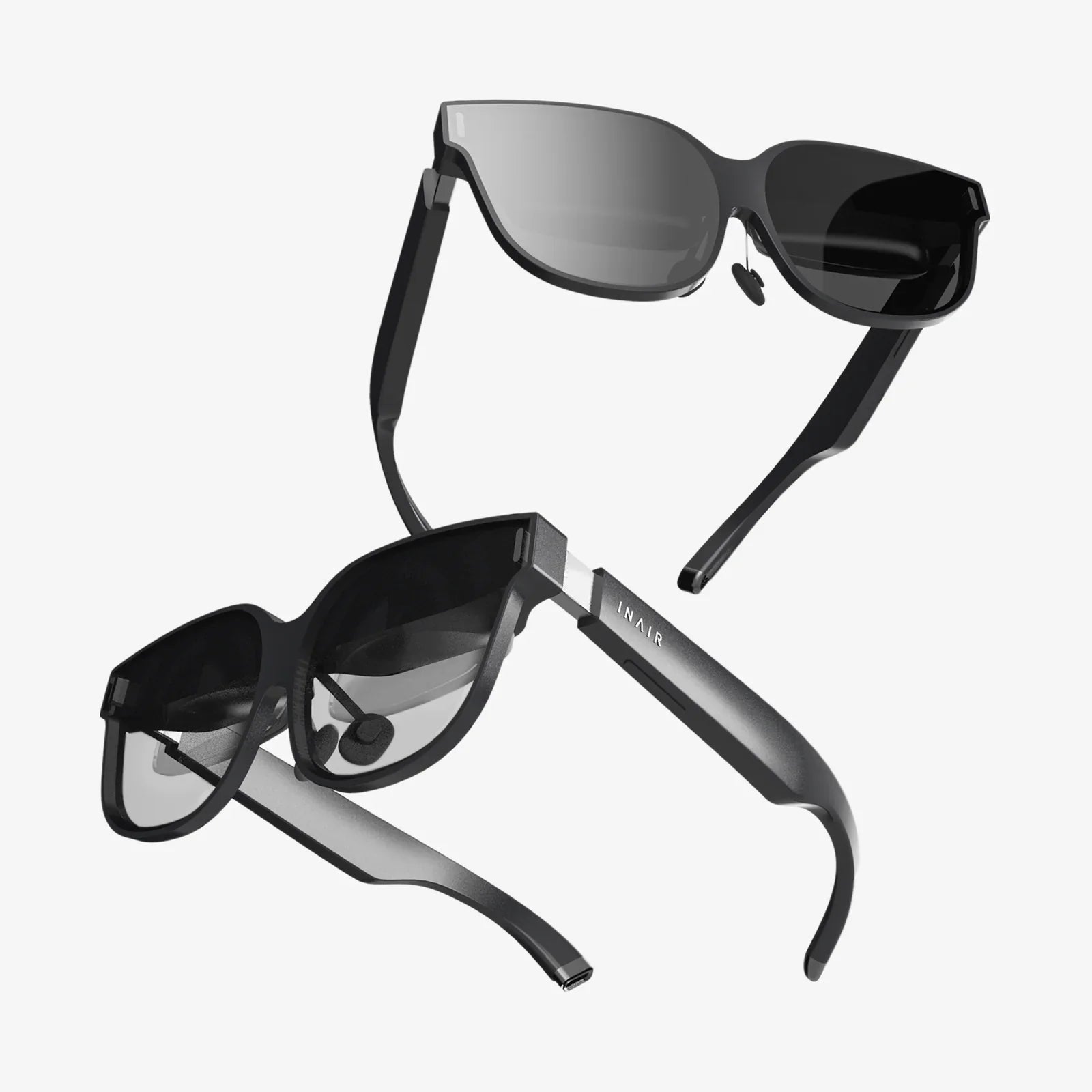
- by wangfred
Best VR Console - The Ultimate Buyer's Guide to Immersive Gaming
- by wangfred
You strap on the headset, the real world dissolves into pixels, and suddenly you're standing on the edge of a fantastical universe, controller in hand, heart pounding with anticipation. This is the promise of virtual reality, a gateway to experiences once confined to the realm of science fiction. But with several powerful platforms vying for your attention, how do you possibly choose the best VR console to be your passport to these digital frontiers? The answer isn't a single product name; it's a complex equation of performance, content, comfort, and pure, unadulterated fun. This guide will navigate the intricate landscape of modern VR, arming you with the knowledge to find the perfect system that will transform your living room into a launchpad for adventure.
Gone are the days when virtual reality was a clunky, niche hobby for tech enthusiasts with deep pockets. Today's VR ecosystems are sophisticated, user-friendly, and brimming with content. But what exactly constitutes a console in this context? We're talking about a complete ecosystem: the hardware (headset and controllers), the software platform (its operating system and store), and the computing power that drives it, whether it's a self-contained system or a partnership with a powerful external computer.
To crown a winner, we must first establish the criteria for judgment. The best VR console isn't just about the highest resolution screen; it's a holistic blend of several critical factors.
This is your window into the virtual world. Key metrics include:
How the system translates your real-world movements into the digital realm is paramount. There are two primary methods:
The controllers themselves are an extension of your hands. Haptic feedback, ergonomic design, and intuitive button layouts are essential for presence and comfort.
A powerful machine is nothing without great software. The depth, breadth, and quality of a platform's game library are arguably the most important factor. A robust ecosystem will offer a wide variety of experiences:
If a headset is uncomfortable, you won't want to wear it for long. Weight distribution, padding, adjustability (IPD, strap tightness), and materials all play a huge role in long-term enjoyment. A well-ventilated design that minimizes lens fogging is also a significant plus.
How frictionless is the experience from unboxing to diving into a game? This includes the simplicity of the setup process, the intuitiveness of the user interface, and the availability of accessibility options to accommodate a wider range of users.
The current VR market is dominated by a few key players, each with a distinct approach to the technology. It's less about one being objectively "the best" and more about which is best for you.
This category represents the most accessible and user-friendly form of VR. These systems have all the computing power built directly into the headset, meaning there are no wires tethering you to a computer and no external sensors to set up. You simply put it on, define your play area, and you're free to move and turn in any direction without ever worrying about tripping over a cable.
The trade-off has traditionally been in raw processing power. While these systems are technological marvels of miniaturization and optimization, they cannot match the sheer graphical fidelity of a system powered by a high-end gaming computer. However, the gap is closing rapidly with each new generation of processor. For anyone who values convenience, portability, and wireless freedom above all else, a modern all-in-one system is an incredibly compelling choice.
At the other end of the spectrum lies the premium, performance-focused experience. These systems connect via a cable to a powerful gaming computer, which acts as the engine. This partnership unlocks the highest possible graphical settings, incredibly detailed textures, complex physics, and vast, visually stunning game worlds.
The experience is often complemented by the most advanced tracking technology available, using external base stations to provide sub-millimeter accuracy that is the gold standard for competitive VR esports and sim racing. The downside is the cost—not only of the headset itself but also of the high-end PC required to run it—and the physical tether, which can break immersion. For the hardcore gamer who already owns a powerful rig and demands the absolute best visuals and performance, this path is unmatched.
Bridging the gap between these two philosophies is an intriguing hybrid approach. One prominent example leverages the power of a popular home video game console. This offers a more accessible and affordable entry into high-fidelity VR compared to a gaming PC, as the console provides a standardized, optimized hardware target for developers.
These systems often offer a unique value proposition: a single wire connection to the console for power and data, high-resolution displays, and access to a curated library of exclusive and ported titles. They provide a significant step up in visual quality from all-in-one systems while remaining more plug-and-play and living-room-friendly than a full PC setup. It's a compelling middle ground for console gamers looking to expand their horizons.
While gaming is the primary driver, the potential of VR extends far beyond. The best VR consoles are becoming multifunctional platforms for work, social connection, and creativity.
Platforms are evolving into social spaces where you can meet friends, attend live concerts, watch movies together in a virtual cinema, or even collaborate on projects in a shared virtual workspace. Your digital avatar becomes your representative, and the sense of shared presence can feel surprisingly genuine.
VR has explosively entered the fitness space. A plethora of engaging apps turn workouts into fun, gamified experiences like boxing, rhythm dancing, and sports simulations. It’s a fantastic way to break a sweat without realizing you're exercising, all from the comfort of your home.
Imagine designing a 3D sculpture with your hands, brainstorming ideas on an infinite virtual whiteboard, or watching a 360-degree documentary about deep-sea exploration. VR offers powerful new paradigms for creation, education, and experiencing media.
The technology is advancing at a breakneck pace. The headsets of tomorrow will be lighter, smaller, and more comfortable, with resolutions approaching retinal clarity and varifocal lenses that solve the eye strain issues of today. We're moving towards advanced inside-out tracking that can understand full body motion without extra sensors, and haptic technology that will allow us to feel virtual objects. The line between the virtual and the real will continue to blur, making the experiences even more compelling and immersive.
So, which path is right for you? Ask yourself these questions:
The search for the best VR console is a personal journey, a quest to find the key that unlocks your preferred digital dimension. It’s about matching groundbreaking technology with your individual desires for play, connection, and exploration. By weighing the pillars of performance, content, and comfort against your own lifestyle, you’re not just buying a piece of hardware—you’re selecting your future playground. The virtual worlds are waiting; all you have to do is take the first step and decide how you want to arrive.
Share:
New Wearable Devices Are Redefining Personal Technology and Human Potential
What is a Holograph? A Journey Into the Science of Light and Illusion