


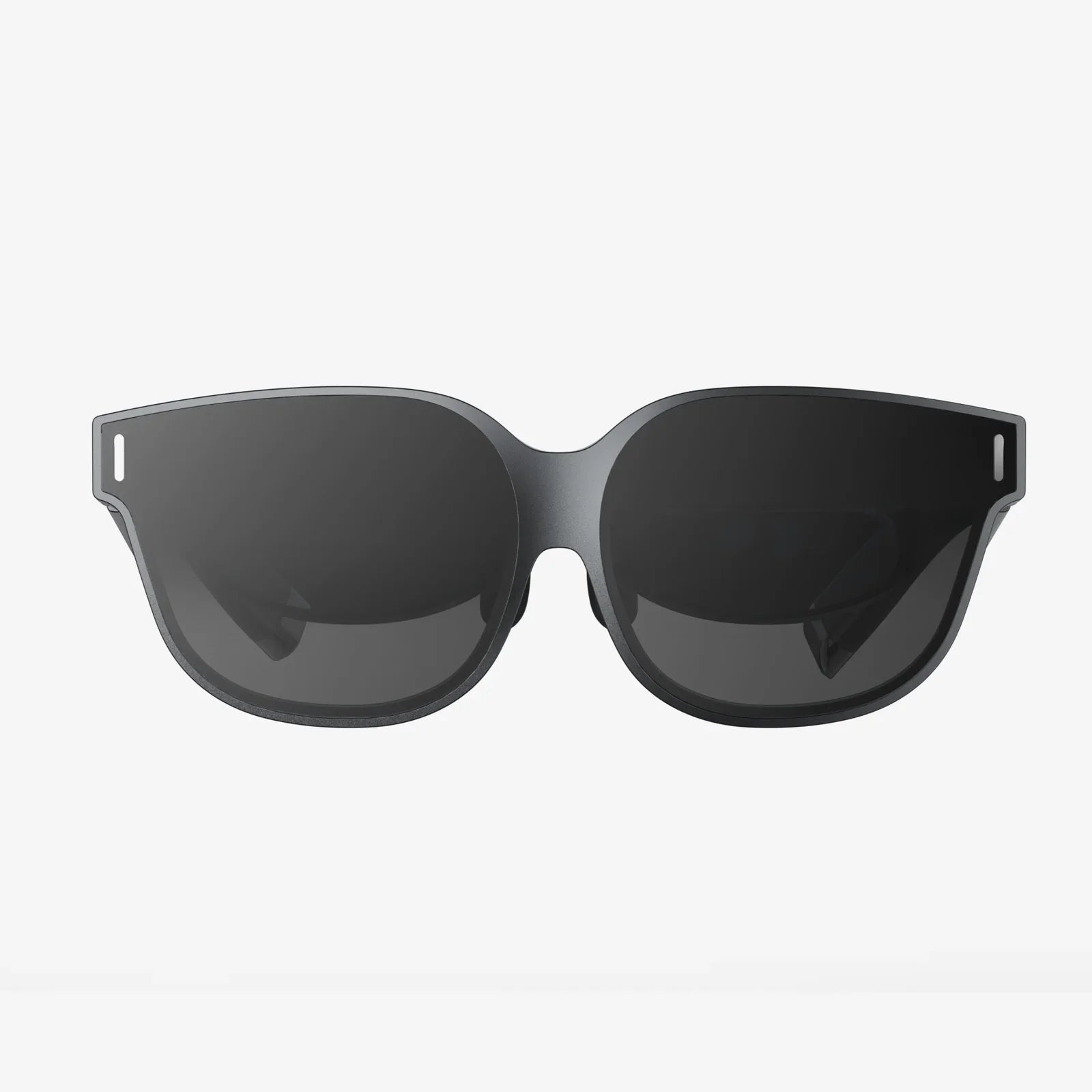
Imagine slipping a sleek, powerful computer into a headset and being instantly transported to another world. This wasn't science fiction a decade ago; it was the revolutionary promise of the first wave of consumer virtual reality, powered by the smartphone in your pocket. For owners of the iconic, beloved iPhone 5, this dream became a tangible, awe-inspiring reality. The quest for the best VR goggles for iPhone 5 isn't just about finding a compatible accessory; it's a journey back to the pioneering days of modern VR, a time of experimentation, wonder, and the foundation upon which today's immersive experiences were built. This deep dive will rekindle that initial spark of magic and guide you through everything you need to know about experiencing VR through the lens of a classic.
The iPhone 5: A Powerhouse in Its Prime
To understand the VR potential of the iPhone 5, we must first appreciate the device itself. Launched in 2012, it was a marvel of its time. Its 4-inch Retina display, with a resolution of 1136 x 640 pixels, was considered exceptionally sharp and vibrant. Powered by the Apple A6 chip, it delivered a significant performance boost over its predecessor, handling complex graphics and applications with a new level of smoothness. This combination of a high-quality screen and capable processing made it a perfect candidate for early mobile VR. Developers saw its potential as a window into virtual worlds, leveraging its internal gyroscope, accelerometer, and magnetometer to track head movement with surprising accuracy. While its specs are dwarfed by today's standards, for the era, it was a premium portal into immersive content.
The Anatomy of a Compatible VR Headset
Unlike today's all-in-one VR systems, the headsets designed for the iPhone 5 were of a specific type: they were shells. Their primary function was to hold the phone securely, provide lenses to magnify and reshape the screen's image for each eye, and block out external light. They contained no processors, batteries, or screens of their own. The real magic happened inside the iPhone. When shopping for a headset, several key features determined its quality and compatibility with the iPhone 5's specific form factor.
Form Factor and Fit
The iPhone 5's dimensions (123.8 x 58.6 x 7.6 mm) were distinct. The best headsets had adjustable, secure clamping mechanisms or trays specifically designed to hold this model snugly, preventing it from shifting during use. A universal tray might work, but a tailored fit was always superior. Comfort was also paramount. Padded forehead rests, adjustable straps, and a balanced weight distribution were essential for longer, more enjoyable sessions, as the combined weight of the phone and headset could become noticeable.
Lens Quality: The Window to the Virtual World
This was arguably the most critical component. High-quality, multi-element lenses were necessary to minimize optical distortions like the "screen door effect" (where the gaps between pixels become visible) and chromatic aberration (color fringing). The lenses needed to have the correct focal length and field of view (FOV) to create a convincing sense of immersion. Poor lenses could lead to eye strain, blurriness, and a complete breakdown of the VR illusion.
Input and Interaction
Most headsets of this generation lacked integrated controllers. Interaction was primarily achieved through a magnetic or capacitive trigger on the headset itself, which would interact with the screen, or through Bluetooth controllers paired separately to the phone. Some innovative models even included basic buttons for gameplay. The experience was often a mix of gaze-based navigation (looking at a menu item to select it) and simple button presses.
The VR Experience on iPhone 5: What Was It Like?
Loading a VR app, inserting the iPhone 5 into the headset, and bringing it up to your eyes was a moment of genuine wonder. The available content fell into several categories:
- 360-Degree Videos and Photos: Platforms offered immersive tours of landmarks, behind-the-scenes clips from movies, and breathtaking nature documentaries. The sense of "being there" was powerful, even if the resolution was limited by the phone's screen.
- Interactive Demos and Games: Titles ranged from simple roller coaster simulators to more complex games where you could defend a castle from dragons or explore a mysterious room. The graphical fidelity was comparable to mobile games of the early 2010s, but the immersive factor made them incredibly engaging.
- Educational and Artistic Applications: Museums offered virtual tours of exhibits, and apps allowed users to explore the human body or the solar system in 3D space. It was a revolutionary tool for visualization.
The limitations were part of the charm and the challenge. The resolution, by today's standards, was low. The "screen door effect" was often noticeable. Tracking was entirely reliant on the phone's internal sensors, meaning any drift or miscalibration could break immersion. There was no positional tracking—you could look around but not lean in or move through space. Yet, despite these technical constraints, the experience was overwhelmingly positive because it was so novel. It was the first taste of affordable, accessible VR for millions.
Weighing the Pros and Cons in the Modern Era
Advantages of the iPhone 5 VR Setup
- Extremely Low Cost of Entry: For anyone who already owned the phone, the headset itself was an inexpensive purchase, often a fraction of the cost of a modern standalone VR system.
- Simplicity and Portability: The entire system was compact. The headset was lightweight and easy to pack away, making it a great "show-and-tell" device for introducing friends and family to VR concepts.
- A Rich (Though Dated) Library: A vast amount of content was created specifically for this platform during its heyday, much of which is still accessible and functional today for those seeking a nostalgic experience.
Significant Drawbacks to Consider
- Severely Outdated Performance: The iPhone 5 can no longer update to modern iOS versions. Most contemporary VR apps and stores are incompatible, locking users into a specific historical library of content.
- Technical Limitations: The low resolution, lack of positional tracking, and primitive input methods feel incredibly restrictive compared to even the most basic modern VR systems.
- Hardware Degradation: Finding an iPhone 5 with a healthy battery and intact components is becoming increasingly difficult. The device is over a decade old.
- Software Obsolescence: App stores have largely abandoned support, and many older apps may no longer function correctly, if they can be downloaded at all.
Beyond the Hardware: The Software That Powered the Dream
The hardware was just a shell; the software was its soul. The experience was mediated through dedicated apps and platforms that served as portals to content. These platforms acted as curated hubs, offering a mix of free and paid experiences. They handled the crucial task of splitting the screen for the headset's lenses and translating the phone's sensor data into head-tracking movements within the virtual environment. The design of these apps was minimalist, focused on ease of use and discovery, as they were introducing a entirely new medium to a mass audience. While these specific apps are no longer in active development, their DNA can be seen in the content libraries and storefronts of every major VR platform today.
A Collector's Item and a Historical artifact
In today's landscape of high-resolution, inside-out tracked, wireless headsets, pursuing the best VR goggles for iPhone 5 is less about finding a practical daily driver and more about appreciation and preservation. It is an endeavor for:
- The Tech Historian: Anyone interested in the evolution of consumer technology will find this combination a fascinating milestone. It represents a crucial branching point in the road to modern VR.
- The Nostalgic Enthusiast: For those who experienced this first hand, setting up an old headset and iPhone 5 is like revisiting a favorite childhood toy—a powerful trigger of memory and a testament to how far we've come.
- The Curious Tinkerer: Getting this older tech to work on modern networks and with archived apps is a fun challenge in itself, a project that rewards patience and technical curiosity.
It is a testament to a bold, experimental phase where the future was uncertain, and every developer and user was a pioneer, charting the unknown territory of a new digital frontier.
The flicker of that 4-inch Retina display, magnified through a pair of plastic lenses, was more than just a technical preview; it was the spark that ignited a revolution. Exploring the best VR goggles for the iPhone 5 today is not about chasing cutting-edge performance—it's a pilgrimage to the birthplace of accessible virtual reality. It's a hands-on history lesson that reminds us how a humble smartphone could become a spaceship, a time machine, or a portal to another dimension, all with a simple click of a headset tray. That sense of limitless potential, of seeing the future through a slightly pixelated but utterly captivating lens, is an experience that remains uniquely powerful, even a decade later.
Share:
Best Phone VR Headset for Movies: Your Ultimate Guide to Cinematic Immersion
What Is The Best Type of VR Headset? A Guide to Finding Your Perfect Fit