


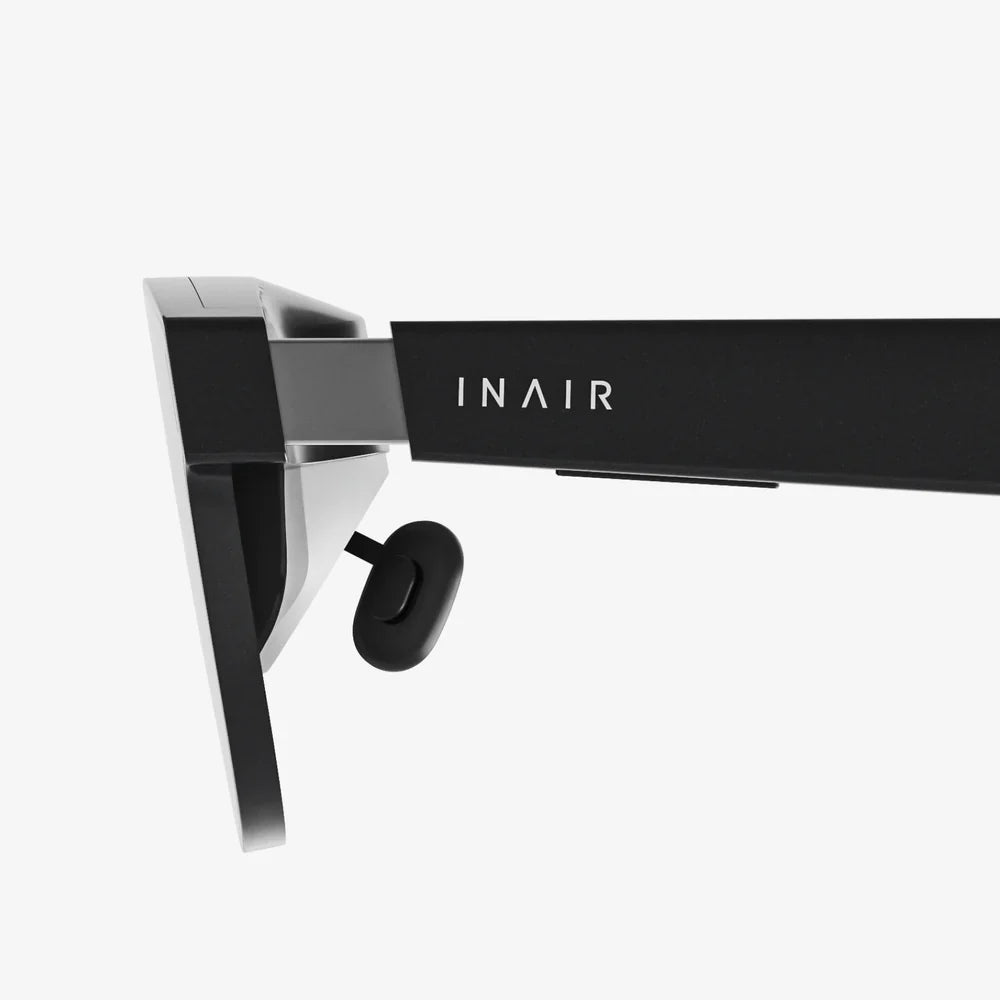
You’re standing on the edge of a virtual precipice, your heart pounding as you peer into a digital abyss. The world around you is so convincing that your body screams in protest, refusing to take that next step. This is the power of modern virtual reality, a technological marvel that has evolved from a sci-fi fantasy into a tangible, awe-inspiring reality. But stepping into this new dimension requires a key: the right headset. The quest for the best VR headset brands is not about finding a single winner; it’s a journey to discover which gateway to the metaverse is perfectly tailored to your dreams, your budget, and your desire to explore the impossible.
The VR Landscape: More Than Just a Piece of Hardware
Before diving into the titans of the industry, it's crucial to understand that a VR headset is not a monolithic product category. The market has strategically segmented itself, primarily into three distinct camps, each with its own philosophy, strengths, and target audience. Choosing the best brand for you often starts with choosing the type of experience you want.
Standalone VR: The Freedom of Untethered Exploration
Standalone headsets are all-in-one units. They have their own internal computer, battery, and tracking systems, requiring no wires to a powerful external device. This is the realm of maximum accessibility and convenience. You can power it on anywhere, from your living room to a large empty hall, and be immersed within seconds. The trade-off has traditionally been in raw processing power, as these mobile chipsets cannot compete with the graphical fidelity of a high-end gaming computer. However, this gap is closing rapidly with each new generation of standalone hardware.
PC VR: The Pinnacle of Performance and Fidelity
For those who seek the absolute best visual experience that virtual reality has to offer, PC-powered headsets remain the gold standard. By tethering to a high-performance gaming computer, these devices offload all the intense processing, allowing for stunningly detailed textures, complex physics, vast draw distances, and incredibly high frame rates. This is the domain of hardcore gamers, professional designers, and simulation enthusiasts for whom visual immersion is paramount. The cost of entry is significantly higher, requiring both a premium headset and a powerful computer.
Console VR: The Plug-and-Play Ecosystem
Acting as a middle ground, console-based VR leverages the power and convenience of a games console. It offers a more streamlined, user-friendly experience than PC VR, with a curated library of content and guaranteed performance optimization. While the graphical capability is tied to the console's hardware, it often provides a more polished and consistent experience than the sometimes-fickle world of PC gaming, all at a relatively accessible price point for those already within the ecosystem.
Analyzing the Titans: A Deep Dive into Leading Brands
Now, let's turn our attention to the brands that are defining these categories and pushing the entire industry forward.
The Standalone Vanguard: A Social Metaverse for Everyone
This brand, now under a tech conglomerate, didn't just enter the VR market; it redefined it for the masses. Their strategy was a masterstroke: make the hardware accessible and affordable, and build a social-first platform that connects people.
Philosophy and Ecosystem
Their core philosophy is connection. The goal is less about isolated, single-player experiences and more about shared social spaces—virtual meeting rooms, concert venues, and game worlds. Their ecosystem is a walled garden, but a lush and incredibly popular one. Their account system is mandatory, and their store is the primary (and for most devices, the only) source for software. This control allows for a seamless, user-friendly experience where everything is designed to work together perfectly.
Key Strengths
- Market Dominance: They boast the largest user base by a significant margin, which translates to the most active multiplayer communities and the strongest developer support.
- Content Library: Their store is overflowing with content, from AAA titles and innovative indies to unique social experiences and productivity apps.
- Ease of Use: The setup process is famously simple. This is the quintessential "it just works" device for VR.
- Affordable Entry Point: Their entry-level device remains one of the most cost-effective ways to experience quality VR.
Considerations
- Closed Ecosystem: The mandatory account and locked-down store can be a point of contention for users who prefer open platforms and modding.
- Privacy Concerns: Their business model is based on data and advertising, which raises privacy questions for some users.
Ideal For
Social gamers, first-time VR users, families, and anyone who values a huge library of content and a vibrant online community above all else.
The High-End Pioneer: Fidelity and an Open Platform
While one brand captured the mainstream, another has been the steadfast champion of the high-end, enthusiast, and professional market. This brand is synonymous with premium PC VR.
Philosophy and Ecosystem
This brand's philosophy is rooted in power, fidelity, and freedom. They champion the open platform. Their headsets are designed to be portals to the entire PC VR landscape, not just a single store. They fully support open platforms like SteamVR, giving users access to the vast majority of VR software available and the freedom to mod and customize their experience to their heart's content. They are the driving force behind cutting-edge display technology, like dual mini-LED screens and eye-tracking.
Key Strengths
- Unmatched Fidelity: Their current flagship headset is widely regarded as the best-performing consumer headset on the market, offering sublime visual clarity, a wide field of view, and high-end features.
- Open Platform: Freedom to buy software from any store (Steam, etc.) and extensive support for mods and custom software.
- Premium Build and Comfort: Their products are engineering marvels, designed for long-duration comfort with high-quality materials.
- Professional Features: Built-in eye-tracking and facial expression tracking are not just for games; they are powerful tools for professional animation and social presence.
Considerations
- High Cost: This is the most expensive path into VR, requiring a significant investment in both the headset and a top-tier gaming PC.
- Complexity: Setup can be more involved than a standalone device, dealing with base stations, software clients, and PC settings.
Ideal For
VR enthusiasts, sim racers and flight enthusiasts, PC gamers with powerful rigs, and professionals in fields like architecture and design who need the absolute best visual quality and an open system.
The Console Contender: Powering a Mainroom Experience
A major player in the gaming console world threw its hat into the VR ring with a unique hybrid approach, creating a headset specifically for its console ecosystem.
Philosophy and Ecosystem
This brand's philosophy is to deliver a high-quality, console-grade VR experience that is simple, comfortable, and leverages their strengths in games and entertainment. It’s an accessory for their console, designed to integrate perfectly with it. The ecosystem is curated, offering a selection of high-quality games that are guaranteed to run well on the hardware. They have also focused heavily on making the headset a mainstream living room device, with features like cinematic mode for viewing flat content on a giant virtual screen.
Key Strengths
- Strong Exclusive Titles: They have leveraged their world-class first-party game studios to produce must-play VR exclusives that are among the best experiences in the medium.
- Plug-and-Play Simplicity: It connects directly to the console, eliminating the need for a expensive gaming PC and simplifying the setup process dramatically.
- Haptic Feedback and Adaptive Triggers: Their innovative controllers bring a stunning new level of immersion through precise, nuanced haptic feedback that is industry-leading.
- Value Proposition: For owners of the console, it represents a very compelling price-to-performance ratio.
Considerations
- Wired Connection: It requires a single cable connection to the console, which can feel restrictive compared to standalone freedom.
- Limited to Console Ecosystem: You cannot access the wider PC VR library; you are limited to the curated store on the console.
Ideal For
Owners of the console who want a premium, hassle-free VR experience, gamers who want to play their acclaimed exclusive titles, and those who view VR as an extension of their traditional gaming setup.
The Enterprise and Future-Tech Specialist
While consumer-facing brands grab headlines, another giant has been making steady, significant strides by focusing on the enterprise and professional market, with technology that often trickles down to consumers later.
Philosophy and Ecosystem
This brand's approach is enterprise-first. They develop mixed reality (MR) headsets designed for business, training, design, and military applications. Their devices are known for having incredibly high-resolution displays (often called "inside-out" tracking) and powerful depth sensors that can map and understand the physical environment in real-time. This allows for stunningly realistic blending of digital and physical objects. Their consumer presence is growing, but their core strength lies in providing solutions for Fortune 500 companies.
Key Strengths
- Best-in-Class Passthrough AR: Their color video passthrough is incredibly clear and low-latency, making mixed reality applications genuinely useful and immersive.
- Enterprise Focus: Built for durability, security, and integration with business software suites like Microsoft Mesh.
- High-Resolution Displays: The visual clarity for reading text and viewing fine details is exceptional, making it ideal for virtual monitors and CAD design.
Considerations
- Price and Target: Their devices are priced for businesses, not consumers, making them a niche choice for most individuals.
- Software Library: The library of consumer games and experiences is not as rich as the dedicated gaming platforms.
Ideal For
Developers, enterprise users, architects, and tech enthusiasts who are fascinated by the potential of mixed reality and have the budget to explore its cutting edge.
Beyond the Big Names: Factors That Define the Best
The brand is only part of the equation. To truly identify the best VR headset for you, you must become familiar with the key specifications and features that differentiate them.
Display and Optics: Your Window to Another World
- Resolution and PPD: More pixels mean a sharper, clearer image with less "screen door effect." Look for Perceived Pixel Density (PPD) for a true measure of clarity.
- Lens Technology: Pancake lenses allow for much slimmer and lighter headsets compared to older Fresnel lenses, which can be bulky and cause "god rays" (glare).
- Field of View (FoV): A wider FoV increases immersion by filling more of your peripheral vision. Most consumer headsets range from 90 to 120 degrees.
- Refresh Rate: Measured in Hz, a higher refresh rate (90Hz, 120Hz, even 144Hz) leads to smoother motion, reduced latency, and a lower chance of motion sickness.
Tracking and Controllers: Your Hands in the Virtual Space
- Inside-Out vs. Outside-In: Modern headsets almost universally use inside-out tracking, where cameras on the headset itself track the controllers and environment. This eliminates the need for external sensors or base stations, making setup easier.
- Controller Design and Haptics: Ergonomic controllers that feel natural in your hand are crucial. Advanced haptic feedback can simulate everything from the gentle touch of a virtual object to the recoil of a gun.
Comfort and Design: For Long-Haul Immersion
- Weight Distribution: A well-designed headset uses a counter-balanced strap (like a halo design or elite strap) to distribute weight away from the face and onto the forehead and back of the head.
- IPD Adjustment: The ability to physically adjust the distance between the lenses (Inter-Pupillary Distance) is critical for achieving a clear and comfortable image for a wide range of users.
The Verdict is Yours: How to Choose Your Gateway
So, which brand is truly the best? The answer is profoundly personal. It's not about a spec sheet victory; it's about which ecosystem and experience align with your life.
- Are you a social butterfly or a first-time user? The vast, accessible ecosystem of the standalone vanguard is likely your perfect starting point.
- Are you a performance-obsessed PC enthusiast who craves the absolute best? The high-end pioneer, with its open platform and stunning fidelity, is calling your name.
- Do you already own the console and crave its acclaimed exclusive adventures? The console contender offers a seamless and incredibly fun plug-and-play experience.
- Are you a developer or enterprise user focused on mixed reality? The enterprise specialist provides a glimpse into the professional future of the technology.
Your perfect VR headset isn't the one with the highest number on a box; it's the one that you'll want to put on again and again. It's the one that disappears on your face, leaving only the adventure behind. It’s the portal that connects you to the experiences and people you care about most. The competition between these best VR headset brands is fierce, and that’s the best news possible for you—it means every one of them is innovating at a breakneck pace, each vying to offer you a more incredible, more affordable, and more compelling window into worlds yet unexplored. The only question left is, which world will you step into first?
Share:
Best VR Headset for PC Gaming: The Ultimate 2024 Guide to Unlocking Immersive Play
Budget VR Headset Deals: Your Ultimate Guide to Affordable Immersion