


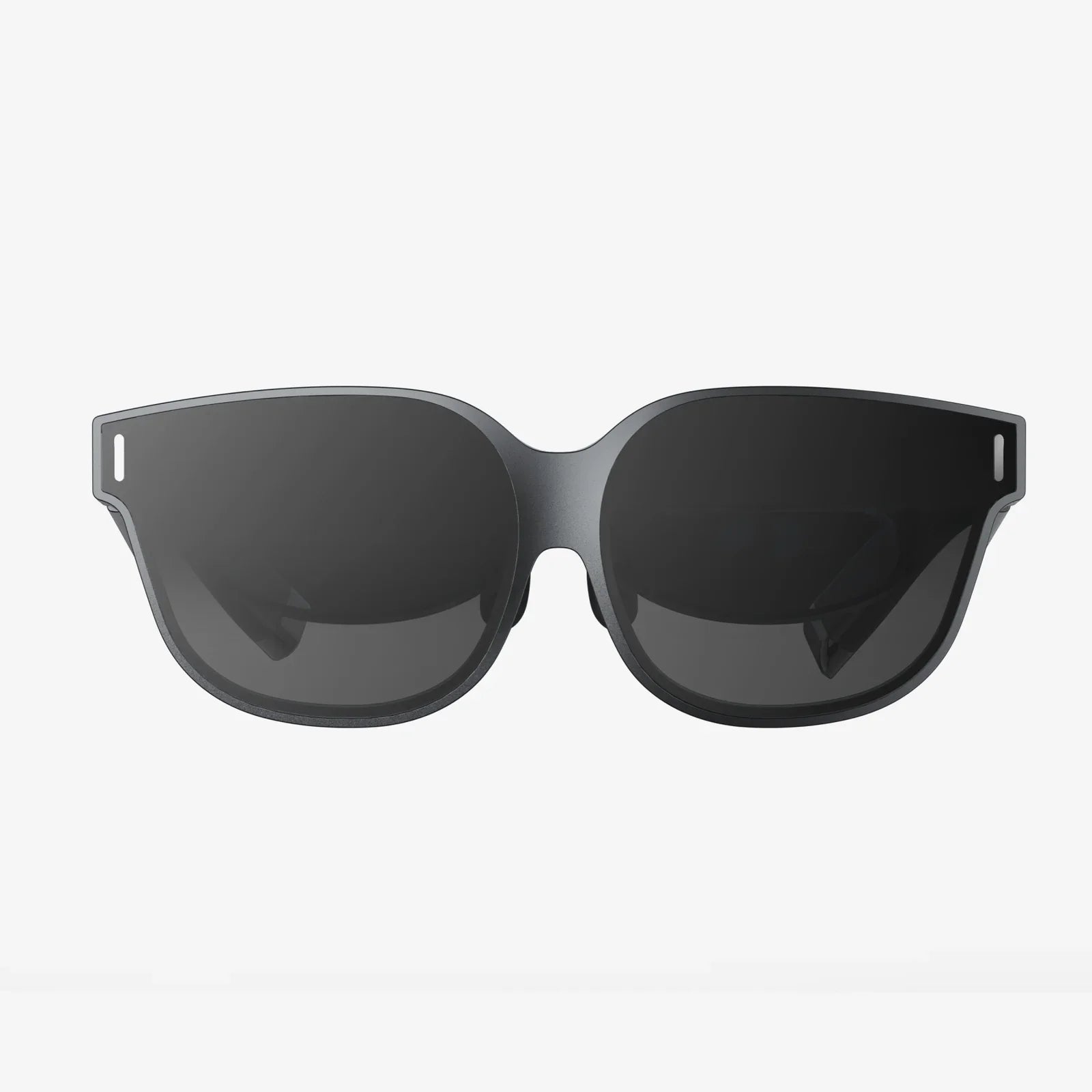
Imagine slipping a portal to another universe into your pocket. It’s not science fiction; it’s the reality offered by your 6.7-inch smartphone and the right virtual reality headset. The quest for the best VR headset for a 6.7 inch phone isn't just about finding a plastic shell; it's about unlocking the immersive potential of the powerful computer you already own. This guide will navigate the critical considerations—from precise fit and advanced optics to the vast libraries of content—ensuring your journey into virtual worlds is nothing short of spectacular. Prepare to see your device in a whole new dimension.
The Perfect Fit: Why Phone Size Matters in Mobile VR
In the world of mobile VR, one size does not fit all. A headset designed for a smaller device will leave a 6.7-inch phone cramped, potentially pressing against the edges of the housing and causing light bleed or even damaging the device. Conversely, a headset built for a tablet would leave your premium phone rattling around, impossible to align properly with the lenses. The 6.7-inch form factor, common among modern flagship and high-end mid-range phones, represents a sweet spot—large enough to provide a wide, engaging field of view (FOV) yet still manageable within a well-designed headset.
The primary challenge is alignment and immersion. The core of the mobile VR experience relies on the phone's high-resolution screen being perfectly centered behind two high-quality lenses. These lenses warp the image to fill your entire field of vision, creating the 3D effect. If the phone is too small, the image will be surrounded by blackness, shattering the illusion. If it's too large, it won't fit, or the edges of the image will be cut off and distorted. A headset specifically accommodating a 6.7-inch display ensures that every pixel is utilized effectively, maximizing immersion and minimizing the dreaded "binocular effect" that reminds you you're just looking at a screen.
Anatomy of a Superior Mobile VR Headset
Not all headsets are created equal. Moving beyond the cheap, uncomfortable cardboard and plastic viewers of yesteryear, the best headsets for a 6.7-inch phone share several key characteristics that elevate the experience from a novelty to a genuine entertainment platform.
1. Ergonomic Design and Comfort
Comfort is paramount. A headset that feels like a vise after ten minutes will never be used, no matter how good the visuals are. Look for designs that distribute weight evenly across your face and head.
- Head Straps: A robust, adjustable triple-strap system (over the head and side straps) is far superior to a simple top strap. It provides stability during dynamic experiences and prevents the headset from sliding down your face.
- Weight Distribution: The center of gravity should be as close to your face as possible. Well-placed padding, especially around the forehead and cheeks, is essential for long sessions.
- Ventilation: A good design will include vents or space to allow air to circulate, reducing lens fogging and keeping you comfortable.
2. Advanced Optical System
The lenses are the soul of the headset. They are responsible for transforming the flat image on your phone into a believable 3D world.
- Lens Quality: High-quality, multi-element aspherical lenses minimize the "god rays" (blurry glare effects), chromatic aberration (color fringing), and blurriness at the edges of the image that plague cheaper Fresnel lenses.
- Interpupillary Distance (IPD) Adjustment: This is a critical, often overlooked feature. A dial or slider that moves the lenses closer together or further apart allows you to match the headset to the precise distance between your pupils. Proper IPD adjustment is crucial for visual clarity and preventing eye strain or headaches.
- Focus Adjustment: Many headsets feature a separate dial for each eye to adjust for nearsightedness or farsightedness. This means users with mild vision correction can often enjoy VR without their glasses, enhancing comfort and field of view.
3. Precision Tracking and Intuitive Control
While early mobile VR relied on a phone's internal gyroscope for head tracking, the best modern systems incorporate additional technology for a more responsive and interactive experience.
- Rotational and Positional Tracking: Basic head tracking understands when you turn your head left or right (rotation). Advanced headsets include additional sensors for positional tracking, allowing you to lean in, peek around corners, and move your head through space, adding a crucial layer of depth and realism.
- Included Controller: A dedicated wireless controller is non-negotiable for modern mobile VR. It should be ergonomic, feature a touchpad or joystick, triggers, and buttons, and be tracked in 3D space for intuitive interaction with virtual environments. This is a massive leap beyond using a Bluetooth gamepad or the headset's single button.
4. Built-in Features and Compatibility
Convenience features can make the difference between a headset that gathers dust and one you use regularly.
- Built-in Headphones: Some models feature integrated, removable headphones that provide spatial 3D audio, which is essential for immersion. The sound should feel like it's coming from within the virtual world around you.
- Accessory Port: A pass-through charging port allows you to plug in a power bank for extended VR sessions without worrying about your phone's battery draining mid-game.
The Software Ecosystem: Breathing Life into the Hardware
The headset is just a window; the software is the world you see through it. The ecosystem available for your phone's operating system is a deciding factor.
App Stores and Content Libraries
Both major mobile platforms boast extensive VR app stores. You'll find a vast array of experiences, from breathtaking games and interactive storytelling to educational apps and 360-degree travel videos. The best headsets are agnostic, working seamlessly with the official store for your device, giving you access to thousands of experiences.
Media Consumption: Your Personal Theater
One of the most compelling uses for a mobile VR headset is media consumption. Imagine watching a movie on a virtual cinema screen that feels 100 feet wide, playing a classic 2D mobile game on a massive display, or being transported to the front row of a concert through 360-degree videos. The high resolution of a 6.7-inch phone is perfect for creating a crisp, clear, and truly giant virtual screen.
Setting Up for Success: A Step-by-Step Guide
- Clean Your Phone's Screen: Any smudges or dust will be magnified by the lenses. A microfiber cloth is your best friend.
- Calibrate and Adjust: Before your first session, use your phone's settings to calibrate the gyroscope. Once in the headset, take the time to adjust the IPD and focus dials meticulously. This five-minute setup is the most important step for visual comfort.
- Manage Your Environment: Ensure you have a clear, safe space to move around. Be mindful of overhead ceiling fans and low-hanging light fixtures.
- Manage Your Phone: Enable Do Not Disturb mode to prevent notifications from popping up in your headset and breaking immersion. Consider connecting a power bank for longer sessions.
- Start Slowly: If you're new to VR, begin with stationary experiences before moving to more intense games that involve artificial locomotion. This helps your brain acclimatize and reduces the risk of motion sickness.
Future-Proofing Your VR Experience
The mobile VR landscape is constantly evolving. While today's headsets are impressive, choosing one that embraces current standards ensures longevity. Look for support for the latest high-quality content and controller standards. The computational power of a modern 6.7-inch phone is more than capable of driving compelling VR experiences, and developers continue to push the boundaries of what's possible. Investing in a well-made, feature-rich headset now means you'll be ready for the next wave of innovative mobile VR apps.
Beyond the Hype: Realistic Expectations for Mobile VR
It's important to understand that mobile VR, while incredible, is not the same as a tethered PC VR system. The experiences are generally less graphically intensive and may have shorter runtimes. However, the trade-off is unparalleled accessibility, affordability, and convenience. The best VR headset for your 6.7-inch phone offers a gateway into virtual worlds that is surprisingly sophisticated, deeply engaging, and, most importantly, incredibly fun. It represents the most accessible entry point into VR available today.
Your 6.7-inch phone is a ticket to explore the depths of the ocean, walk on the surface of Mars, or sit in a breathtaking virtual cinema. The right headset is the gatekeeper that unlocks this potential, transforming a slab of glass and metal into a vehicle for adventure. By prioritizing a perfect fit, superior optics, and intuitive controls, you're not just buying an accessory—you're investing in countless hours of exploration and entertainment. The worlds are waiting; all you have to do is look.
Share:
Is AR the Same as MR? A Deep Dive Into the Blended Reality Spectrum
What Is The Best PC VR Headset 2025: The Ultimate Buyer's Guide