


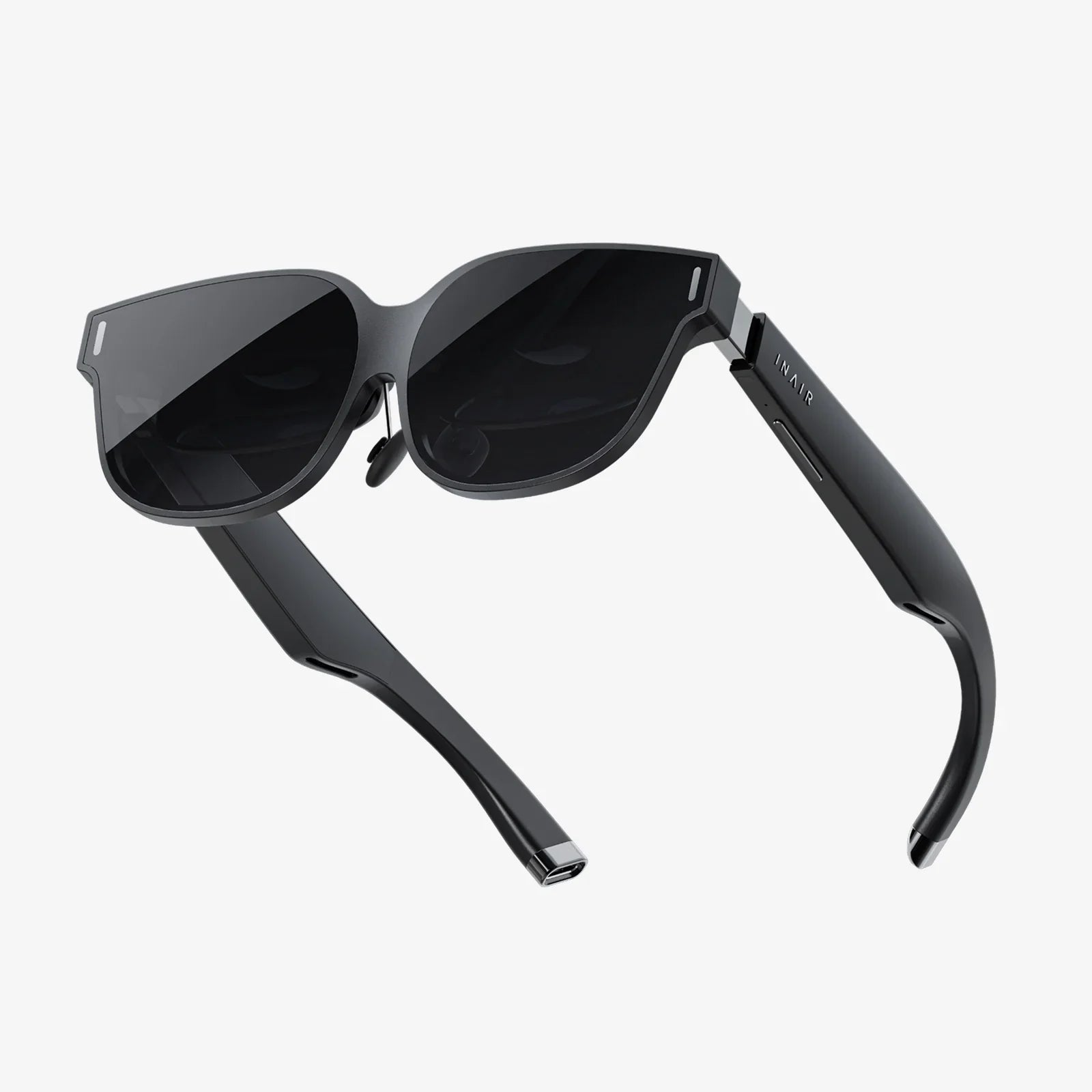
- by wangfred
Best VR Headset for Big Heads: The Ultimate Guide to a Perfect Fit
- by wangfred
Are you tired of the dreaded VR headache, the constant pressure on your temples, or the feeling that your expensive gateway to another world is trying to slowly crush your skull? If you've been sidelined from the virtual revolution because standard headsets feel more like medieval torture devices, your search ends here. Finding the best VR headset for a big head isn't just about comfort; it's about unlocking the full, immersive potential of virtual reality without the distracting and painful constraints of a poor fit. This guide is your definitive resource, cutting through the marketing jargon to focus on what truly matters for those of us who need that extra room.
For users with larger head circumferences, above-average cranial dimensions, or even a particularly wide face, the standard one-size-fits-most approach of many consumer electronics falls painfully short. The issues extend far beyond simple discomfort.
The most immediate and obvious problem is physical pain. A headset that is too tight can exert excessive pressure on key pressure points: the forehead, the bridge of the nose, the temples, and the base of the skull. This doesn't just cause short-term discomfort; it can lead to debilitating headaches, muscle strain, and even trigger migraines, pulling you out of the experience within minutes. This pressure is often a result of a head strap that lacks sufficient extension or a facial interface that is too narrow.
VR is a visual medium, and a proper fit is paramount to image quality. A headset that doesn't fit correctly can create several visual problems:
When you're constantly aware of the hardware on your face—adjusting it, feeling pressure, or dealing with visual artifacts—it's impossible to become fully absorbed in the virtual world. The magic of VR lies in its ability to trick your brain into believing you're somewhere else. A poorly fitting headset is a constant, uncomfortable reminder of reality, preventing true presence and diminishing the overall enjoyment and value of the technology.
When evaluating potential options, you must become an expert on the specific engineering and design elements that contribute to a spacious and comfortable fit. Ignore the spec sheet hype about resolution and refresh rate for a moment and focus on these critical physical attributes.
The head strap is the primary anchor point of the headset and is arguably the most important feature for larger heads.
The part that actually touches your face is just as important as the strap holding it there.
A heavy headset becomes exponentially more uncomfortable on a larger head due to the increased leverage and the need for tighter straps to counterbalance it. The distribution of that weight is critical. A well-balanced headset that doesn't feel front-heavy will require less tension in the strap to stay in place, drastically improving comfort over long sessions. Look for designs that place the battery in the back strap, as this acts as a counterweight and creates a more natural equilibrium.
Some headsets are simply designed with more physical room to grow. This can be evident in:
While fit is your primary concern, it doesn't exist in a vacuum. The best headset for you is the one that fits well and excels at what you want to do.
Your choice here will significantly impact your library and performance.
How does the headset track your movement?
Are you invested in a particular platform's store? Some headsets are locked to their own ecosystem, while others are more open, allowing you to access multiple storefronts. Ensure the headset you choose has access to the games and experiences you're most excited about.
Before you buy, arm yourself with knowledge and a measuring tape.
Use a soft tailor's measuring tape. Wrap it around your head, about one inch above your eyebrows and ears, and around the widest part at the back of your skull. Record this measurement in centimeters or inches. Compare this to the maximum extension specs of headsets you're considering, if available. A circumference of 24 inches (61 cm) or more is generally considered to be in the "large" category and will require careful headset selection.
Spec sheets can lie, but user experiences don't. Go beyond the star rating. Search forums, Reddit communities, and detailed reviews for keywords like "big head," "large head," "wide face," "comfort," and "pressure." Photos of people wearing the headset can also be incredibly revealing. Look for ones where you can see the strap extension and how the facial interface sits on the user.
Never underestimate the power of the aftermarket. If you find a headset with perfect visuals and tracking but a so-so strap, there is likely a company that makes a superior replacement strap. The same goes for facial interfaces. Popular mods include:
The journey to find the perfect VR headset for a larger head requires a bit more research and patience, but the reward is immense. It's the difference between a novel tech demo that you can only endure for ten minutes and a profound portal to other worlds where you can lose yourself for hours on end. By prioritizing adjustable, thoughtful design over raw specs and leveraging the collective wisdom of the community, you can confidently choose a headset that doesn't just fit your head—it fits your life. Stop compromising and start experiencing virtual reality the way it was meant to be: boundless, comfortable, and utterly captivating.
Share:
Pros and Cons of Extended Reality: A Deep Dive into Our Blended Future
Why Buy a VR Headset: The Ultimate Portal to New Realities