


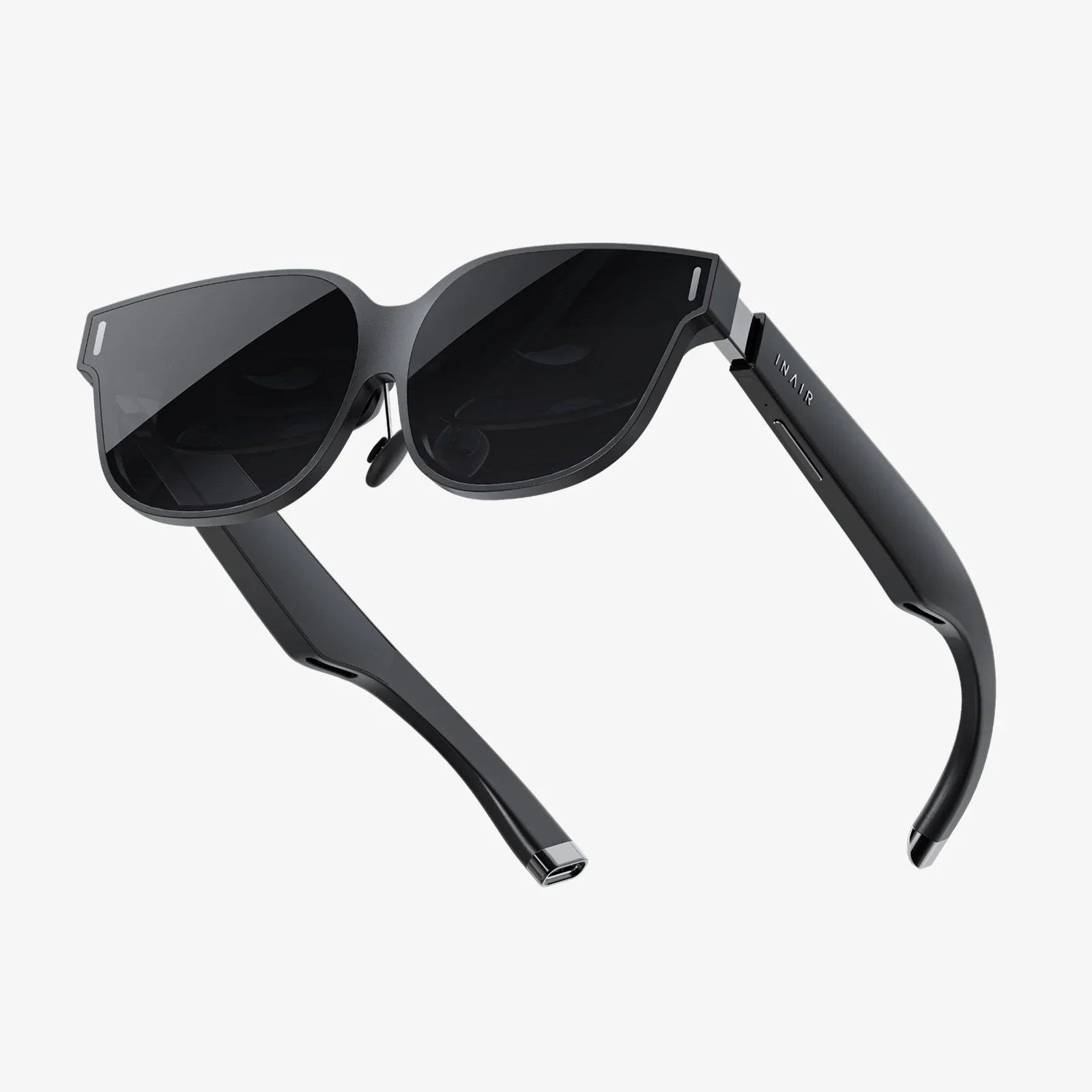
Stepping into a virtual world should be a moment of awe, not a frustrating battle with your eyewear. For the millions who rely on glasses, the quest for the best VR headset can feel like navigating a labyrinth, where a wrong turn leads to pressure points, scratched lenses, and a blurred immersion-breaking experience. But fear not, for the industry has heard the call. The perfect, comfortable, and crystal-clear virtual reality experience is not a myth; it’s a matter of finding the right hardware designed with your needs in mind. This guide is your beacon, cutting through the technical jargon to illuminate the path to the most spectacle-friendly VR immersion available today.
The Glasses-Wearer's Dilemma in Virtual Reality
For those without perfect vision, eyeglasses are a non-negotiable extension of our perception. In the physical world, they are a seamless part of our lives. In VR, however, they can become a significant obstacle. The primary challenges are threefold: comfort, clarity, and compatibility.
Standard VR headsets are engineered to sit flush against the face, creating a light-sealed environment crucial for immersion. This design immediately conflicts with the arms and frame of most glasses, leading to uncomfortable pressure on the bridge of the nose and the temples. This pressure can turn a thrilling 30-minute gaming session into an unbearable ordeal.
Secondly, the proximity of your glasses' lenses to the headset's own complex lens system creates a high risk of contact. This can result in microscratches on both your expensive prescription lenses and the headset's optics, degrading visual quality for both realities. Furthermore, forcing the headset away from your face to accommodate glasses often breaks the crucial light seal, allowing external light to flood in and shatter the illusion of presence in the virtual world.
Finally, not all glasses are created equal. Large, wide frames or thick arms may simply not fit within the headset's facial interface, a problem that many users only discover after unboxing their new device. This combination of factors has, historically, made VR a less accessible medium for a significant portion of the population.
Key Design Features of a Glasses-Friendly VR Headset
The good news is that headset manufacturers have recognized this widespread issue. The best VR headsets for glasses wearers are no longer happy accidents; they are the result of intentional design choices that prioritize user comfort and accessibility. When evaluating your options, these are the critical features to scrutinize.
Ample Eye Relief and Depth Adjustment
This is arguably the most important feature. Eye relief refers to the distance between the headset's lenses and your eyes. A headset with generous, adjustable eye relief allows you to create a larger cavity inside the headset, providing the necessary space for your glasses without forcing them against the headset's lenses.
Some premium headsets offer a physical dial or knob that mechanically shifts the lens assembly closer to or farther from your face. This is a superior solution as it maintains the optical integrity and field of view while simply creating more physical room. Look for headsets that explicitly advertise this feature, as it is a clear indicator of a design that considers spectacle-wearers.
Interchangeable Facial Interfaces and Spacers
The facial interface is the soft foam or silicone padding that surrounds the lenses and makes contact with your face. Many headsets now ship with a standard interface and an additional, deeper "glasses-friendly" interface in the box. Swapping to this deeper gasket instantly creates more room without any complex adjustments.
Similarly, some manufacturers provide rubber or plastic spacers that clip onto the existing lens housing, acting as a physical barrier to prevent your glasses from touching the VR lenses. These are simple, effective, and essential accessories to look for in the packaging.
Precise IPD (Interpupillary Distance) Adjustment
While important for all users, IPD adjustment is critical for glasses wearers. IPD is the distance between the centers of your pupils. A headset with only a software-based IPD adjustment (sliding a digital setting) is often insufficient, as it does not physically move the lenses to align perfectly with your eyes.
A headset with mechanical IPD adjustment features a physical slider or knob that moves the lenses themselves. This ensures optimal optical alignment, which reduces eye strain, prevents headaches, and—crucially—maximizes visual clarity. When your eyes are perfectly aligned with the optical sweet spot of the headset's lenses, you get a sharper image, which is even more important when viewing that image through your prescription glasses.
Lightweight and Balanced Design
Comfort is king. A heavy, front-heavy headset will exert more downward pressure on your face, which in turn presses your glasses harder against your nose and cheeks. The best headsets for extended wear employ clever weight distribution, often using a counterbalanced battery in the rear strap or a rigid halo design that shifts the weight to the crown of your head.
This ergonomic approach minimizes facial pressure, making the presence of glasses far less noticeable. A lighter overall unit also reduces neck strain during long sessions, contributing significantly to overall comfort.
Soft, Flexible Face Gaskets
The material of the face gasket matters. A softer, more flexible interface can gently conform around the arms of your glasses, providing a better seal than a rigid foam structure. Materials like silicone or high-quality memory foam offer this flexibility and are also easier to clean, an important consideration as glasses can press the interface more firmly against your skin.
Beyond the Headset: Prescription Lens Inserts
While finding a compatible headset is the first step, there exists a solution that effectively eliminates the glasses problem entirely: custom prescription lens inserts. These are adapters, made by third-party specialists, that clip directly onto the headset's lenses inside the housing.
Advantages:
- Ultimate Comfort: Your face is no longer supporting two sets of frames. The headset feels lighter and more comfortable as it sits directly against your face.
- Optimal Visuals: With the lenses perfectly positioned and no extra glass between you and the display, you get the widest possible field of view and the clearest possible image with no risk of scratches.
- Perfect Seal: The headset can form its intended light seal, dramatically improving immersion.
- Convenience: It transforms any headset into a glasses-friendly one. You simply pop the adapters in and never think about your glasses again while in VR.
Considerations:
- Cost: This is an additional investment on top of the headset itself.
- Sharing: If multiple people with different prescriptions use the same headset, the inserts need to be swapped, which is less convenient than simply putting on your own glasses.
For any dedicated VR enthusiast who wears glasses, prescription inserts are highly recommended as a long-term investment for unparalleled comfort and quality.
Pre-Purchase Checklist: What You Must Do
Before you click "buy," arm yourself with information. A little research can prevent a costly mistake.
- Know Your Glasses Dimensions: Measure the width and height of your frames at their widest points, and note the thickness of the arms. This is your most crucial data point.
- Research the Headset's Internal Dimensions: Search for the headset's specifications online. Look for terms like "glasses space," "eye-box," or "facial interface depth." Community forums and detailed reviews are goldmines for this specific information. Users will often explicitly state whether their particular frames fit.
- Prioritize Key Features: Use the features listed above as your scoring card. Does the headset have mechanical IPD adjustment? Does it include a spacer or deeper face gasket? Does it have a reputation for being comfortable with glasses?
- Check the Return Policy: Ensure you can return the headset if, despite your research, it proves incompatible with your specific glasses. A generous return policy is your safety net.
A New Era of Inclusive Immersion
The virtual reality landscape is evolving rapidly, and a core tenet of this evolution is accessibility. The notion that VR is only for those with 20/20 vision is thoroughly outdated. Manufacturers are now building devices with modularity and user comfort at the forefront, understanding that a broader audience is key to the medium's growth. From standalone units to high-powered tethered systems, the options for a seamless, spectacle-friendly experience are more numerous and impressive than ever before. This commitment to design ensures that the door to virtual worlds is open to all, regardless of their prescription.
Imagine a virtual battlefield where your focus is on the strategy, not the ache on your nose. Picture a breathtaking cinematic experience where the only thing between you and the film is pure immersion, not a second set of lenses. Envision exploring creative tools and social spaces without the constant awareness of your frames. This is the promise held by today's leading headsets designed with your vision in mind. The perfect fit is out there, waiting to transform your perception of reality and unlock experiences limited only by your imagination, not by your glasses.
Share:
Best Smart Sunglasses 2024: The Ultimate Guide to High-Tech Eyewear
Kids Gaming Glasses: The Essential Guide to Protecting Young Eyes in a Digital World