


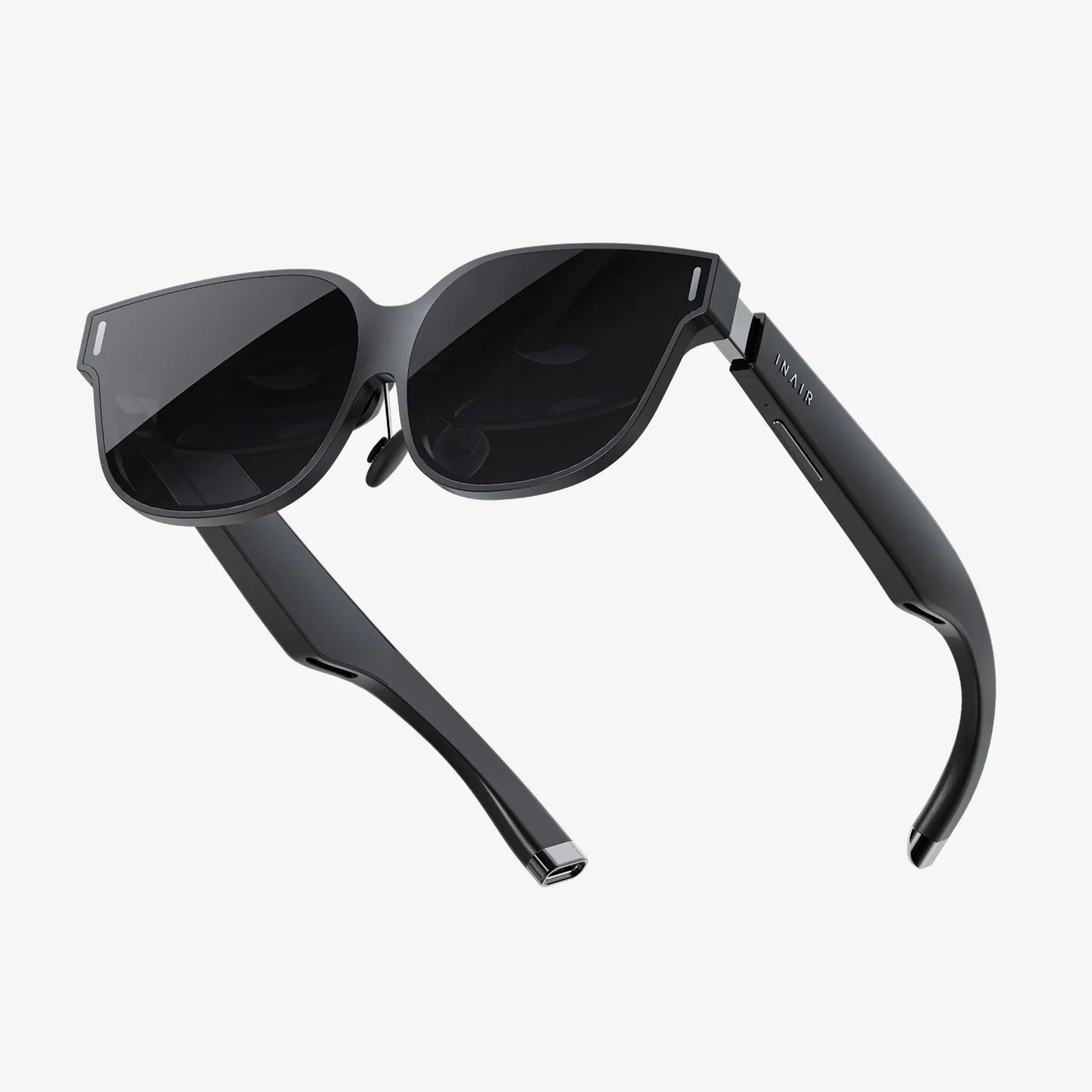
For millions of glasses wearers worldwide, the promise of virtual reality—of exploring fantastical worlds, attending breathtaking concerts, or mastering intricate skills—has often been met with a frustrating physical reality: the awkward, uncomfortable, and sometimes impossible task of cramming their frames into a headset. The experience, far from being immersive, becomes a constant negotiation with pressure points, blurred visuals, and the fear of scratching expensive lenses. But what if it didn’t have to be that way? What if the digital frontier was finally accessible without compromise? The search for the best VR headset for glasses users is not just about convenience; it’s about unlocking a universe of potential that has, until now, felt just out of focus. The right headset doesn't just accommodate your glasses; it forgets they're even there, allowing you to step seamlessly into new dimensions of experience and connection.
The Fundamental Challenge: Why Glasses and VR Can Clash
Understanding the core points of conflict is the first step toward a solution. The primary issues for glasses-wearing VR enthusiasts are threefold: physical space, optical interference, and overall comfort.
Most VR headsets are designed with a fixed amount of space, known as the eye relief, between the user's eyes and the headset's internal lenses. Standard prescription glasses consume precious millimeters of this space, often forcing the headset to sit too far forward on the face. This drastically reduces the field of view (FOV), creating a distracting "tunnel vision" effect and letting in external light that breaks immersion. Furthermore, the hard plastic or metal arms of glasses frames can press against the temple and side of the head, exacerbated by the tight straps necessary to keep the heavy headset stable. This combination creates hot spots of pressure that can make extended play sessions unbearable.
Optically, the two sets of lenses—those in your glasses and those in the headset—can work against each other. If they are too close, they risk making contact during movement, potentially causing micro-scratches on both surfaces. Even without contact, misalignment can cause visual distortions, chromatic aberration, or a "sweet spot" for clarity that becomes frustratingly small and difficult to maintain. For users with higher prescriptions or larger frames, these problems are magnified, sometimes making certain headsets a non-starter from the outset.
Key Features to Look For in a Glasses-Friendly Headset
Not all VR headsets are created equal when it comes to spectacles. Several design elements separate the accommodating from the antagonistic.
Adjustable Eye Relief and Lens Distance
This is arguably the most critical feature. A headset with a physical dial or knob that allows you to move the internal lenses closer to or farther from your eyes is a game-changer. By increasing the distance, you create a larger cavity for your glasses to sit comfortably without touching the VR lenses. This single feature can transform a cramped, uncomfortable experience into a spacious and clear one.
Generous Foam Gasket Interface
The facial interface, the soft foam or plastic part that rests on your face, plays a huge role in comfort. A deeper, more pliable gasket will naturally contour better around the arms of your glasses, creating a better seal without excessive pressure. Some manufacturers offer optional, deeper "glasses-friendly" gaskets, which are a worthwhile investment for a perfect fit.
Spacious Design and Lightweight Build
A headset that is inherently larger and designed with space in mind will almost always be more accommodating than a compact, minimalist one. Furthermore, a lighter overall weight reduces the force needed to keep the headset stable, which in turn reduces the pressure exerted on the sides of your head by your glasses arms. Every gram saved is a step toward greater comfort.
Precise IPD Adjustment
Interpupillary Distance (IPD) is the distance between the centers of your pupils. A headset with mechanical IPD adjustment (sliding the lenses physically left and right) rather than just software adjustment allows for a much more precise and optically correct alignment. For glasses users, who already have an extra optical layer, this precision is vital for avoiding eye strain, headaches, and ensuring the sharpest possible image.
Beyond the Headset: Proactive Solutions for a Perfect Fit
While choosing the right hardware is essential, there are additional steps any glasses user can take to optimize their VR experience.
Choosing the Right Frames
If you have multiple pairs of glasses, your choice of frame can make a significant difference. Small, round, and thin metal frames are generally the most VR-friendly. They take up less horizontal and vertical space and are less likely to cause pressure points. Large, thick, or wide frames are the most problematic. If you're serious about VR and wear glasses, investing in a cheap, small pair of frames specifically for virtual reality use is a highly effective strategy.
Magnetic Prescription Lens Adapters: The Ultimate Upgrade
For those seeking the absolute best experience, custom prescription lens inserts are the definitive solution. These are custom-made magnetic lenses that slot perfectly inside the headset, effectively replacing the headset's lenses with your exact prescription.
The advantages are profound:
- Unmatched Comfort: Your glasses remain off your face entirely. The headset feels lighter, and there are zero pressure points from frames.
- Optimal Visuals: The lenses are perfectly aligned with the headset's optics, maximizing the visual sweet spot, reducing glare, and providing a crystal-clear image from edge to edge.
- Lens Protection: They act as a permanent protective barrier, ensuring your expensive headset lenses never get scratched by glasses or dust.
While this is an added expense, for regular users it is arguably the single most impactful upgrade available, effectively solving the glasses problem permanently.
Navigating the Different Types of Headsets
The VR landscape is broadly divided into two categories: standalone and PC-connected. Each has its own considerations for glasses wearers.
Standalone Headsets
These all-in-one devices offer incredible freedom and convenience, untethered from a powerful computer. Their design often prioritizes a balanced weight distribution, which is beneficial for comfort. However, they can sometimes be more compact to keep them portable, which may lead to a tighter fit. Scrutinizing the available eye relief adjustment is key here.
PC-Connected Headsets
These headsets, which must be connected to a high-end gaming computer, typically deliver the highest-fidelity visuals and most advanced experiences. They are often bulkier and heavier but, crucially, are also more likely to feature robust mechanical adjustments for IPD and eye relief, having been designed with enthusiast users in mind. The trade-off is weight for customization.
A Future Without Compromise
The technology of virtual reality is advancing at a breathtaking pace. Headsets are becoming lighter, more powerful, and more intuitive. For glasses users, this progress is particularly exciting. We are already seeing advancements like pancake lenses that allow for dramatically slimmer headset profiles while maintaining a generous eye box, and varifocal displays that may one day automatically adjust to a user's prescription. The industry is increasingly recognizing that accessibility—for glasses wearers and users with other specific needs—is not a niche concern but a fundamental requirement for mainstream adoption. The future of VR is not just about higher resolutions and wider fields of view; it's about creating experiences that are effortlessly accessible to everyone, from the moment they first put the headset on.
Imagine slipping on a headset that automatically scans your face, adjusts its lenses to your precise prescription, and molds itself to the unique contours of your brow and cheeks. The struggle to find the best VR headset for glasses users is driving innovation that benefits all users, pushing the entire industry toward a more comfortable, personalized, and truly immersive standard. The barrier between the physical and the virtual is not just being crossed; it's being dissolved, frame by frame, until the only thing left to focus on is the adventure itself.
Share:
Smart Glasses with Best Battery Life 2025: The Ultimate Guide to All-Day Wearable Computing
Standalone VR Headset Requirements: Your Ultimate Pre-Purchase Checklist