


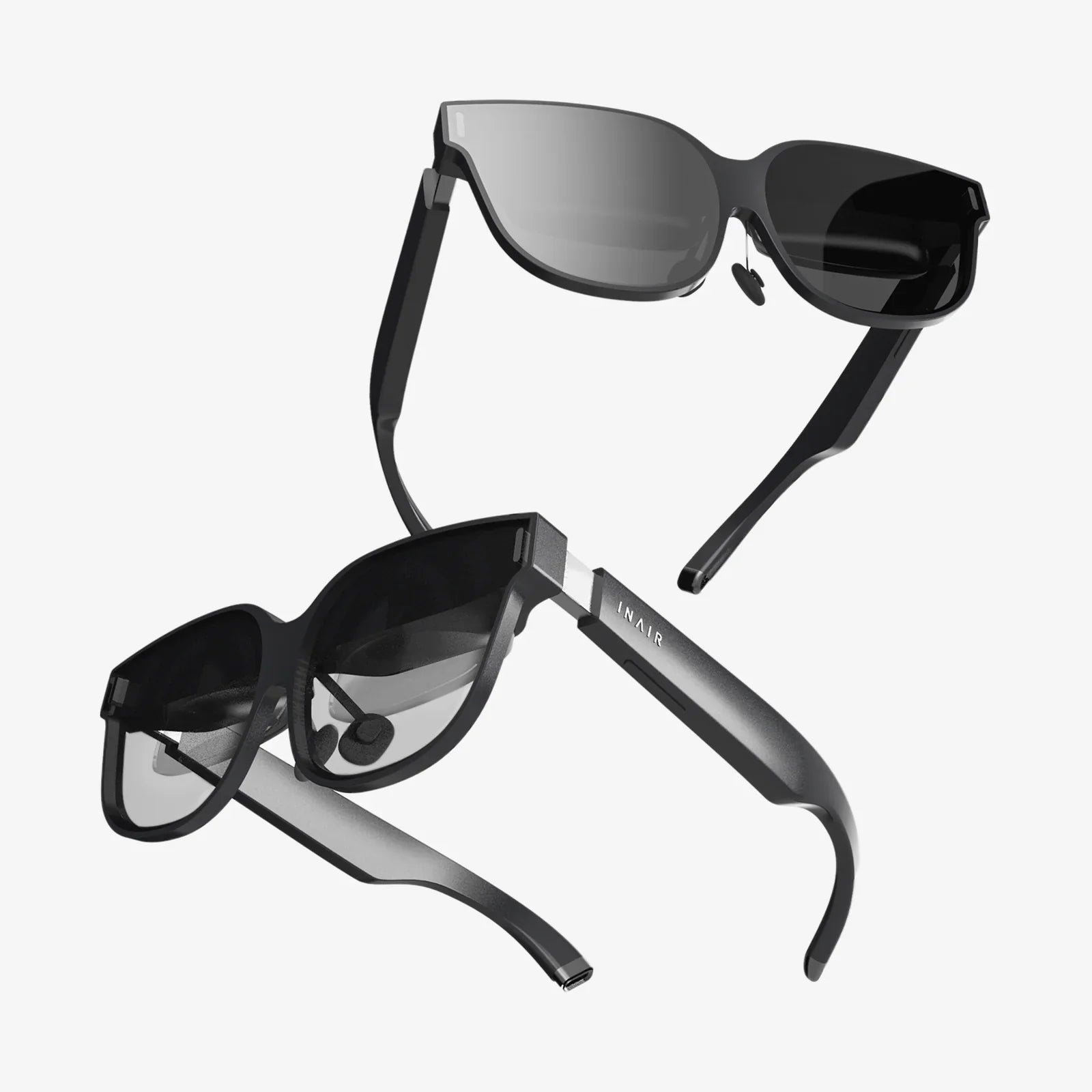
You lean forward, your grip tightening on the virtual controls as a colossal starship glides silently overhead, its shadow enveloping you. Your heart pounds; a primal part of your brain screams that this is real, that the sheer scale and presence of this vessel is an immediate threat. This isn't just playing a game or watching a video—this is being there. This is the pinnacle of virtual reality immersion, a technological magic trick that convinces your senses to suspend disbelief entirely. Finding the best VR headset for immersion isn't about a spec sheet beauty contest; it's a quest for a portal, a device capable of weaving together a complex tapestry of sensory inputs so seamlessly that the physical world simply melts away. It's the pursuit of presence, and it's the holy grail of the VR experience.
The Pillars of Presence: What Truly Creates Immersion?
Immersion is a fragile state, easily broken by a single low-resolution texture, a glitch in tracking, or an uncomfortable headset. It's built upon several interdependent technological pillars, each contributing to the overall sensation of "being there." The best VR headset for immersion excels across all these domains, creating a harmonious and convincing whole.
Visual Fidelity: The Window to Another World
The eyes are the primary gatekeepers of immersion. What you see must be convincing, clear, and expansive.
- Resolution and Pixel Density (PPI): The dreaded "screen door effect," where users can see the fine lines between pixels, is one of the biggest immersion-breakers. High-resolution displays with excellent pixel density are non-negotiable. Look for terms like "dual-stacked OLED" or "Mini-LED" with local dimming for incredible contrast and deep, true blacks that make virtual worlds feel tangible. A high PPI ensures text is sharp, distant objects are clear, and the world feels solid rather than a digital approximation.
- Field of View (FoV): Imagine looking at the world through a scuba mask versus having full peripheral vision. A wide field of view is critical for immersion, making the virtual environment feel vast and all-encompassing. While human vision is approximately 210 degrees horizontally, most consumer headsets range from 90 to 120 degrees. The closer a headset can get to our natural FoV, the less you feel like you're looking into a world and the more you feel you are in it. Some advanced headsets even offer eye-tracking to dynamically adjust the focal point and rendering, a technique called foveated rendering, which boosts performance for the area you're directly looking at.
- Refresh Rate: A low, choppy frame rate is a one-way ticket to motion sickness and a complete destruction of presence. A high refresh rate—90Hz, 120Hz, or even 144Hz—ensures buttery-smooth motion. This fluidity is essential for fast-paced action, but it also contributes profoundly to a sense of realism in slower experiences. When you turn your head, the world must move with perfect, instantaneous fluidity; any stutter or lag (known as latency) shatters the illusion.
Audio: The Unseen Hand of Atmosphere
Sound is half the experience. It provides context, direction, and emotional weight. Poor audio can make a beautiful world feel hollow and dead.
- 3D Spatial Audio: This technology is a game-changer. True 3D audio uses Head-Related Transfer Function (HRTF) algorithms to simulate how sound waves interact with your head, ears, and torso. The result? You can hear exactly where a sound is coming from—above, behind, below, or to the side. The creak of a floorboard behind you in a horror game isn't just a sound effect; it's a directional cue that will make you spin around in genuine alarm. It's arguably as important as visual fidelity for selling the reality of a space.
- Built-in vs. Headphones: Many modern headsets feature excellent integrated speakers that sit slightly off the ear. This design allows you to hear the immersive 3D audio from the game while still being faintly aware of your real-world surroundings for safety, a feature often called "passthrough." Others prefer the noise-isolating seal of high-quality over-ear headphones for a more private, deeply absorbing experience. The best headsets offer high-quality audio solutions or robust support for your preferred headphones.
Comfort and Form Factor: The Forgotten Frontier
You cannot be immersed if you are aware of the hardware on your face. Discomfort is a constant reminder of the artificial nature of the experience. The best VR headset for immersion must disappear on your head.
- Weight Distribution: A front-heavy device will strain your neck and cheeks. Premium designs use counter-balancing batteries in the rear strap, distributing weight evenly across your head like a crown. This allows for multi-hour sessions without fatigue.
- Materials and Fit: Plush, breathable facial interfaces (often made of materials like silicone or hypoallergenic foam) are essential. They should form a light seal without applying uncomfortable pressure. A good fit system—whether a simple elastic strap, a rigid "halo" design, or an elite "top-strap and counterweight" system—is what makes a headset viable for long-term use.
- Ergonomics: Every physical interaction, from adjusting the headset to using the controllers, must feel intuitive and natural. Fumbling with awkward controls or a poorly balanced headset constantly pulls you out of the experience.
Tracking and Controllers: Your Body in the Virtual Space
How the headset and your computer translate your real-world movements into the virtual space is fundamental. It must be precise, responsive, and natural.
- Inside-Out vs. External Tracking: Modern inside-out tracking, where cameras on the headset itself map the room and track the controllers, offers a fantastic balance of convenience and accuracy. It eliminates the need for external base stations placed around your play area. The latest generation of inside-out tracking is so good that it's become the standard for consumer immersion, offering robust, low-latency tracking that rarely loses sight of your controllers.
- Controller Design and Haptics: The controllers are your hands in the virtual world. They should feel like an extension of yourself. Advanced haptic feedback goes far beyond a simple rumble. It can simulate the feeling of drawing a bowstring, the texture of a virtual object, or the impact of a punch. Finger-tracking technology, whether through capacitive sensors on the controllers or dedicated gloves, takes this further, allowing for natural gestures like pointing, waving, or making a fist. This level of expressiveness is incredibly powerful for social VR and intricate simulation games.
Pushing the Envelope: Advanced Technologies Redefining Immersion
While the above pillars form the foundation, cutting-edge technologies are pushing the boundaries of what's possible, offering glimpses into the future of total sensory deception.
Haptic Suits and Peripherals
True immersion engages the entire body. A growing ecosystem of haptic vests, suits, and accessories can translate in-game events into physical sensations. Imagine feeling the thump of a dinosaur's footstep through the floor, the directional impact of a bullet hitting your armor, or the subtle vibration of a virtual vehicle you're operating. This full-body haptic feedback is a monumental leap towards complete presence.
Varifocal Displays and Eye-Tracking
Our eyes naturally change focus when looking at objects at different distances—a phenomenon known as vergence-accommodation conflict. Standard VR headsets have a fixed focal plane, which can cause eye strain and a subtle feeling that the world isn't quite real. Experimental varifocal displays, combined with precise eye-tracking, physically move the display panels or use liquid crystal lenses to dynamically adjust the focal distance to where your eyes are looking. This mimics our natural vision more closely and significantly reduces strain, allowing for longer, more comfortable, and more believable sessions.
Omnidirectional Treadmills and Locomotion
The ultimate disconnect in VR is the conflict between moving in the virtual world while standing still in the real one. Omnidirectional treadmills (ODTs) attempt to solve this by allowing you to walk, run, and crouch in any direction naturally, while the treadmill system keeps you centered in your physical play space. While still a niche and expensive technology, it represents the ultimate solution for physical locomotion, eliminating "VR legs" and motion sickness for many users and unlocking a new level of physical immersion.
The Software Side: Content is King
The most advanced headset in the world is useless without software designed to leverage its capabilities. Immersion is a partnership between hardware and software.
- Well-Optimized Games and Experiences: A beautifully crafted world running at a stable, high frame rate is essential. Developers must master techniques like foveated rendering (if supported), efficient asset streaming, and sophisticated lighting to create believable worlds.
- Physics and Interactivity: A world you can't touch isn't a world you can believe in. The best immersive experiences feature rich, interactive environments. Objects have weight and obey physics. You can pick things up, throw them, stack them, and break them. This level of interactivity makes the space feel grounded and real.
- Narrative and Design: Ultimately, technology is a tool to serve an experience. A compelling story, believable characters, and thoughtful world-building are what make you care about being immersed. The hardware disappears best when you are emotionally invested in the virtual world.
Finding Your Portal: It's More Than Just Specs
Choosing the best VR headset for immersion is a deeply personal journey. It depends on your tolerance for being "tethered" to a powerful computer versus the freedom of wireless standalone play, your sensitivity to visual artifacts, and the types of experiences that captivate you. The quest is not for the headset with the single highest number on a spec sheet, but for the device that most effectively combines these pillars of immersion into a cohesive, comfortable, and breathtaking whole—a device that doesn't feel like a piece of technology, but like a key to infinite worlds.
Your journey into the ultimate virtual reality doesn't end with a purchase; it begins the moment you find that perfect synergy of sight, sound, and sensation. It’s the headset that doesn’t just show you a new reality but makes you forget there was ever another one to begin with, where every glance, every sound, and every movement feels authentically and undeniably your own. This is the promise of true immersion—not just to see a world, but to live within it, and the right headset is your ticket to making that dream a visceral, breathtaking reality.
Share:
Do I Need a Computer for a VR Headset? The Ultimate Guide to VR Requirements
Why AR Headsets Are the Next Evolutionary Leap in Human-Computer Interaction