


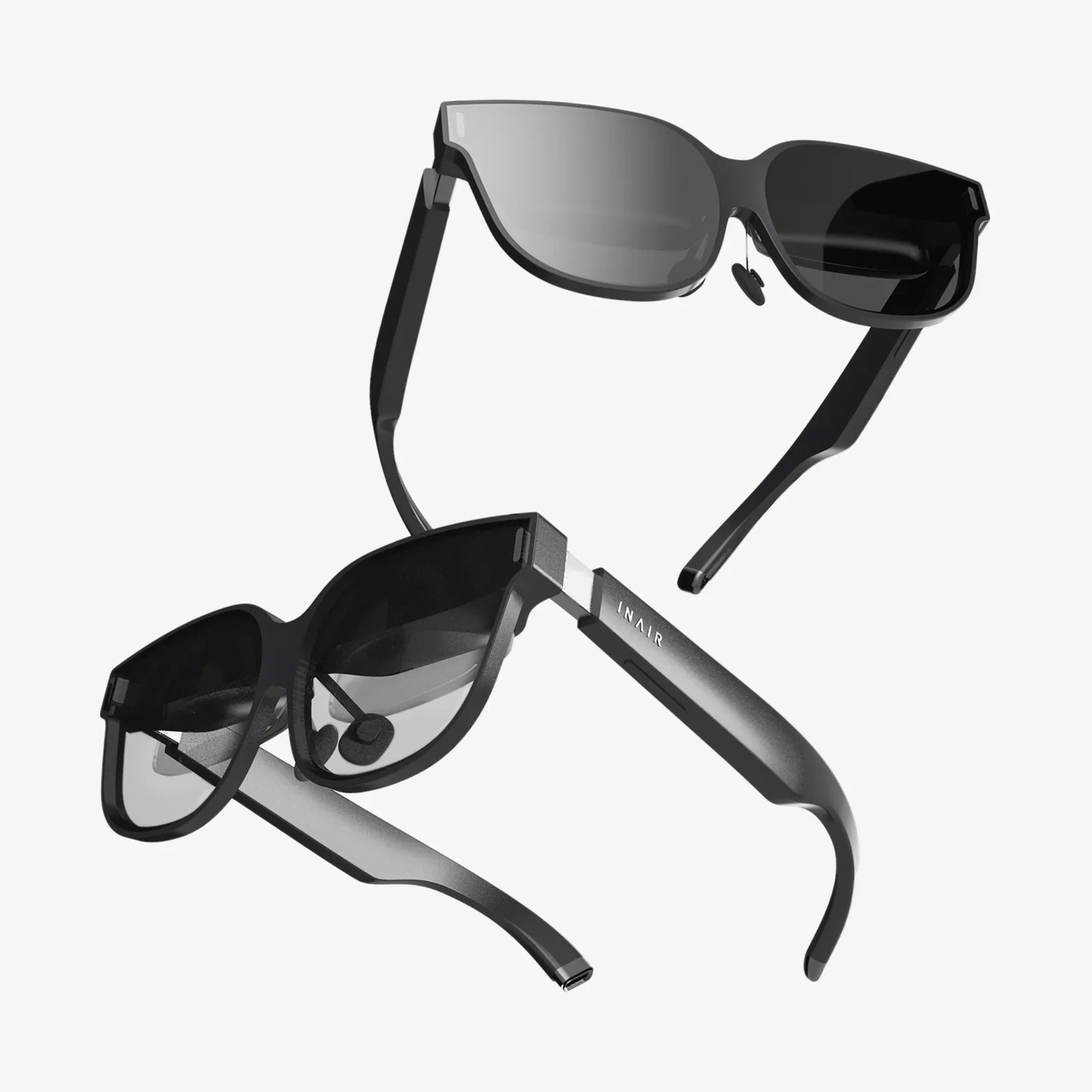
You’re holding a pocket-sized portal to other worlds in your hand right now. Your iPhone 12 is more than a communication device; it's a high-resolution window into immersive virtual reality, and finding the best VR headset for iPhone 12 is the key to unlocking that potential. This isn't about clunky, expensive setups; it's about harnessing the powerful A14 Bionic chip and stunning Super Retina XDR display you already own to experience everything from blockbuster games to breathtaking 360-degree documentaries. The journey to finding your perfect mobile VR companion starts here.
The iPhone 12 as a VR Powerhouse
Before diving into the headsets themselves, it's crucial to understand why the iPhone 12 is such a formidable platform for mobile VR. It wasn't by accident. The technical specifications of the device align almost perfectly with the demands of quality virtual reality.
The cornerstone of this capability is the A14 Bionic chip. This processor, the first in the smartphone industry to be built on a 5-nanometer process, delivers desktop-level computing power while maintaining remarkable energy efficiency. For VR, this translates to smooth, high-frame-rate rendering, which is absolutely critical for maintaining immersion and preventing the motion sickness that can plague underpowered devices. The chip's advanced Neural Engine also handles complex spatial audio and tracking data with ease.
Equally important is the Super Retina XDR display. With resolutions of 2532x1170 pixels (on the iPhone 12 and 12 Pro) and high pixel density, the screen provides a sharp, clear image that minimizes the "screen door effect"—a common issue in VR where users can discern the gaps between pixels. The OLED technology offers perfect blacks and a high contrast ratio, making virtual environments feel more vivid and realistic. Furthermore, the Ceramic Shield front cover not only offers durability but also ensures exceptional optical clarity.
Finally, the iPhone 12's comprehensive suite of sensors is the unsung hero. The gyroscope, accelerometer, and magnetometer work in tandem to provide precise head-tracking. This means when you turn your head, the virtual world responds instantly and accurately, creating a believable sense of presence. This combination of raw power, a superb display, and precise tracking makes your device a perfect candidate for a high-end mobile VR experience.
Key Features to Look For in a Mobile VR Headset
Not all headsets are created equal. When searching for the best VR headset for iPhone 12, you should be evaluating several critical factors that will directly impact your comfort and enjoyment.
Optical Quality and Lens Design
The headset's lenses are your gateway to the virtual world. High-quality, multi-element aspherical or Fresnel lenses are essential for providing a wide field of view (FOV), reducing distortion, and maintaining edge-to-edge clarity. A generous FOV, typically between 90 and 110 degrees, is necessary for a truly immersive experience that doesn't feel like you're looking through binoculars. Look for headsets that offer interpupillary distance (IPD) adjustment, either physically or digitally. This allows you to align the lenses with the space between your pupils, sharpening the image and reducing eye strain—a feature the iPhone 12's high-resolution display can truly take advantage of.
Comfort and Ergonomics
Immersion breaks the moment you become aware of a heavy, uncomfortable device on your face. The best VR headset for iPhone 12 will prioritize weight distribution. A well-designed strap system—often a rigid headband with a top strap and adjustable side straps—will evenly distribute the weight across your head rather than pressing it all onto your face and nose. Plush, removable, and hygienic foam padding is also a must for extended sessions. Breathable materials will help mitigate lens fogging, a common annoyance.
Build Quality and Design
The headset should feel robust and well-made, not like a flimsy piece of plastic. A dedicated adjustment dial or mechanism for bringing the iPhone close to the lenses is far superior to simple elastic straps, ensuring a consistent and optimal viewing experience. The interior should be completely light-proof when the device is mounted; any light leakage will shatter your immersion. Furthermore, consider the ease of access to the iPhone's ports. You'll want to be able to plug in headphones for private, high-quality spatial audio and a charging cable for long VR sessions without having to remove the phone from the headset.
Controller Support and Input Methods
While some simpler experiences can be controlled by a Bluetooth gamepad or even head gaze, the gold standard for mobile VR input is a dedicated 3-DoF (Degrees of Freedom) or, ideally, a 6-DoF motion controller. A 6-DoF controller tracks its own position in space relative to the headset, allowing for natural hand movements like grabbing, throwing, and pointing. This level of interaction dramatically increases the sense of presence. Ensure the headset you choose either includes a compatible controller or has robust support for popular third-party options.
Setting Up and Optimizing Your Experience
Once you've selected your ideal headset, a proper setup is key to achieving the best possible performance from your iPhone 12.
First, ensure your iPhone 12 is running the latest version of iOS. Apple and developers continuously release optimizations that can improve performance and stability in VR applications. Next, dedicate time to cleaning your iPhone's screen meticulously. Any smudges or dust particles will be magnified by the headset's lenses and can be surprisingly distracting.
When placing the phone into the headset, take care to center it perfectly. Misalignment can cause blurriness and chromatic aberration. Use the headset's adjustment mechanisms to find the "sweet spot"—the area in the lenses where the image is clearest. Adjust the IPD and focus dials slowly until text appears sharp and the entire image is comfortable to view.
For audio, using wired headphones or a pair of supported Bluetooth wireless earbuds is highly recommended. The spatial audio capabilities of the iPhone 12 can create a convincing 3D soundscape that tells you where noises are coming from, completing the immersion. Finally, manage your device's temperature. VR is computationally intensive and can cause the iPhone to warm up. Use your headset in a cool environment and consider taking short breaks every 30-45 minutes to let the device cool down, ensuring consistent performance and protecting your battery health.
The Software Ecosystem: Apps and Content
The hardware is only half of the equation. The true value of the best VR headset for iPhone 12 is realized through the content available on the App Store. The mobile VR landscape is rich and diverse, offering experiences for every interest.
For gamers, titles like Vendetta Online offer a full-fledged space MMO experience, while puzzle games like The Room VR: A Dark Matter provide breathtakingly detailed environments to explore. For those interested in creation, apps like SculptVR allow you to model in 3D space intuitively.
Beyond gaming, the iPhone 12 excels as a platform for immersive media. Apps like YouTube VR and Within host a massive library of 360-degree videos, from music videos and travel documentaries to nerve-wracking adventure sports footage. For a more curated, cinematic experience, platforms like Amaze VR produce high-quality short films designed specifically for VR. Educational content is also a massive draw. You can take virtual field trips to international museums, historical sites, and even the human bloodstream, all from your living room.
The App Store's robust curation and seamless download system make discovering and trying new VR experiences incredibly easy. Many apps offer free versions or lite experiences, allowing you to sample content before committing to a purchase.
The Future of iPhone-Based VR
The journey with the iPhone 12 and VR is just beginning. While the current landscape is dominated by 3-DoF headsets that track rotation but not positional movement, the technology is rapidly evolving. The line between standalone VR and smartphone-powered VR is starting to blur.
Advances in computer vision, powered by the ever-improving Neural Engine in iPhones, could soon enable inside-out tracking for mobile headsets. This technology would use the iPhone's cameras to map the physical room, allowing users to move around freely in space (6-DoF) without the need for external sensors. This would bring mobile VR much closer to the experience offered by dedicated, high-end systems.
Furthermore, as Apple continues to invest in its ARKit platform, the boundaries between Augmented Reality (AR) and Virtual Reality (VR) will become more porous. We can anticipate future headsets that seamlessly switch between fully immersive virtual worlds and AR experiences that overlay digital information onto your physical environment. The iPhone 12, with its LiDAR scanner on Pro models, is already laying the groundwork for this mixed-reality future, offering unprecedented depth sensing and environmental understanding.
The pursuit of the best VR headset for iPhone 12 is more than a search for a accessory; it's an investment in a platform poised for significant growth. The device in your pocket is a testament to how far mobile technology has come, and the right headset transforms it from a window into a door. Step through.
Share:
Android VR with PC: The Ultimate Guide to Unlocking a Wireless Virtual Reality Universe
VR Headset 6.7 Inch: The Unseen Revolution in Mobile Virtual Reality