


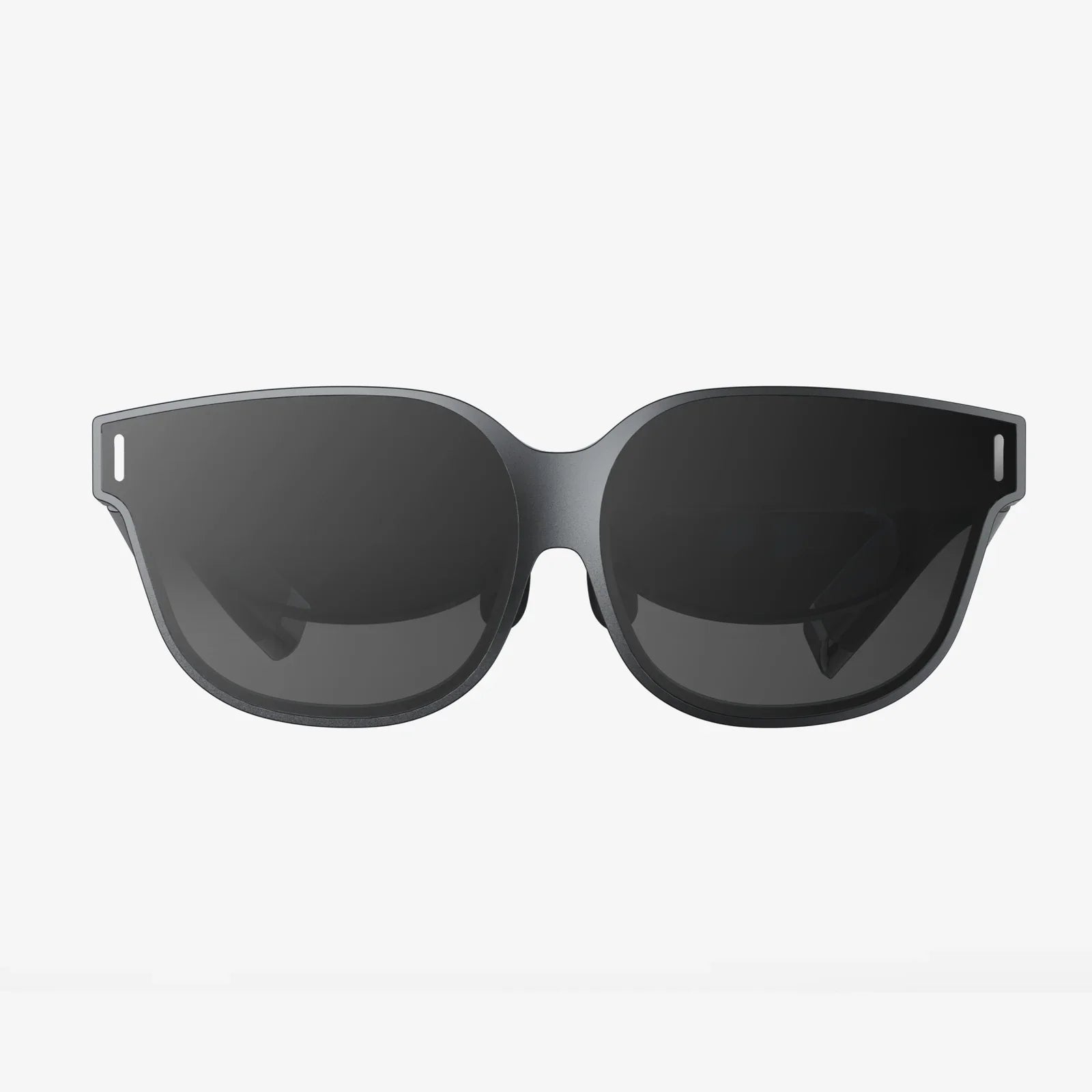
Imagine slipping on a sleek, lightweight visor and instantly transporting yourself to a front-row concert, a distant museum, or a hyper-realistic training simulation—all powered by the powerful computer already in your pocket. The dream of truly accessible, high-quality virtual reality for iPhone users is no longer a futuristic fantasy; it's the reality of 2025. The convergence of Apple's relentless silicon innovation and a new generation of sophisticated VR headsets has created a perfect storm, making mobile VR an experience that rivals dedicated systems. This isn't about clunky cardboard viewers; this is about premium, immersive portals to new worlds, and the quest to find the absolute best companion for your iPhone has never been more exciting. The journey to find your perfect digital window starts here.
The 2025 Mobile VR Landscape: A Paradigm Shift
The virtual reality market has undergone a significant transformation. Just a few years ago, the term "mobile VR" often implied a compromised experience—a novelty with limited processing power, poor tracking, and a narrow field of view. The year 2025 has firmly put that notion to rest. We are now in the era of spatial computing, where the digital and physical worlds blend seamlessly, and the iPhone is at the heart of this revolution.
The latest A-series chipset, rumored to be in the iPhone models of this year, is a marvel of engineering. Its neural engine and GPU capabilities are not just for photography anymore; they are the workhorses for complex positional tracking, high-resolution rendering, and real-time environment processing. This raw power, combined with advanced sensor arrays in the phones themselves, allows modern VR headsets to offload much of the computational heavy lifting directly to the device. The result? Headsets can be lighter, more affordable, and more comfortable without sacrificing a truly immersive experience.
Furthermore, the software ecosystem has matured exponentially. Developers are now creating experiences specifically designed for this powerful mobile-hardware synergy. From professional architectural visualization tools to breathtaking narrative games and social platforms, the content library is rich, diverse, and optimized to run flawlessly on iPhone-powered setups. This shift means your choice of headset is no longer just about the hardware; it's about choosing a gateway to this expansive and growing universe of content.
Defining "Best": Key Features to Prioritize
Selecting the best VR headset for your iPhone isn't a one-size-fits-all decision. "Best" is a personal metric that depends on how you plan to use the technology. However, several critical factors universally define a top-tier experience in 2025.
Optical Clarity and Display Technology
This is arguably the most important category. You want to forget you're looking at a screen. Key elements include:
- Field of View (FoV): A wider FoV, measured in degrees, reduces the "binocular" or scuba-mask effect, increasing immersion. Look for headsets offering 110 degrees or more.
- Resolution and Pixels Per Degree (PPD): With the iPhone's high-resolution screen, the headset's lenses must minimize the screen-door effect. Advanced lens systems like pancake optics are now standard in quality headsets, providing a sharper image and allowing for a slimmer design.
- Adjustable Lenses (IPD & Diopter): Interpupillary Distance (IPD) adjustment ensures the lenses align perfectly with your eyes for a clear and comfortable image. Some 2025 models even include diopter adjustment, allowing glasses-wearers to experience VR without their prescription lenses.
Tracking and Controllers
How you interact with the virtual world is paramount.
- Inside-Out Tracking: The best headsets now feature sophisticated inside-out tracking via built-in cameras. This means they can track your head movements and, crucially, the movements of your controllers in space without any external sensors, using the iPhone's processing power to map your room.
- Controller Design: Ergonomic, intuitive controllers with haptic feedback are essential. They should feel like a natural extension of your hands, whether you're painting, throwing, or manipulating virtual objects.
Comfort and Design
If it's not comfortable, you won't use it.
- Weight Distribution: A well-designed headset distributes weight away from the face, often using a rigid strap system that cradles the back of the head. This prevents pressure on the cheeks and nose.
- Materials and Ventilation: Lightweight, breathable materials prevent overheating and fogging of the lenses, especially during active experiences.
- Easy iPhone Integration: The mechanism for inserting and securing your iPhone should be secure, quick, and not obstruct the phone's cameras or LiDAR sensors, which are often used for passthrough AR features.
Software and Ecosystem
The hardware is useless without a strong software backbone.
- Native iOS App: A dedicated, well-supported app is the command center for your experience. It should be easy to navigate in VR and offer robust content discovery.
- Content Library: Access to a wide range of games, apps, and experiences is key. Some headsets may have exclusive titles or deeper integration with certain content platforms.
- Social and Productivity Features: Look for support for multi-user experiences, virtual meetings, and productivity tools that leverage the iPhone's capabilities.
Leading Contenders and What Sets Them Apart
While we avoid specific brands, the 2025 market is defined by a few distinct archetypes of headsets, each with a unique approach to harnessing the iPhone's power.
The All-in-One Wireless Visor
This category represents the pinnacle of convenience and design. These headsets are minimalist visors with advanced optics and their own high-quality wireless streaming technology. They connect to your iPhone via a low-latency protocol, treating the phone as a compute pack. Their key advantage is an incredibly sleek and comfortable form factor, often resembling large sunglasses. They prioritize media consumption, social VR, and light gaming, offering a frictionless way to jump into virtual spaces.
The Feature-Rich Powerhouse
These headsets are for the user who refuses to compromise. They often feature a more robust construction with a wide FoV, high-quality audio solutions built into the strap, and elite-grade controllers with advanced haptics. They might use a physical wired connection to ensure zero latency and maximum graphical fidelity for gaming, or an ultra-high-speed wireless standard. These are the workhorses for developers, hardcore gamers, and professionals who need the absolute best performance their iPhone can deliver.
The Accessible Gateway
This category focuses on bringing incredible value to a broader audience. The designs are smart and efficient, often using clever mechanical solutions for adjustment and iPhone placement to keep costs down without sacrificing core features like good lenses and basic inside-out tracking. They are the perfect entry point for families, educators, and curious newcomers to VR, proving that a compelling and comfortable experience doesn't have to carry a premium price tag, especially when leveraging a device you already own.
The iPhone Advantage: Why It's a Perfect Match
Using an iPhone as the engine for VR is not a compromise; it's a strategic advantage. The level of integration is unmatched. The LiDAR scanner and advanced camera system allow for incredibly accurate and quick room mapping, enabling mixed-reality experiences where virtual objects convincingly interact with your real-world environment. The seamless handoff between iPhone apps and the VR environment creates a cohesive ecosystem. You can receive a notification, answer a call, or control your music without ever taking off the headset. This level of functionality, powered by the phone's OS, is something dedicated standalone headsets are still trying to perfect.
Future-Proofing Your Purchase
Technology moves fast. To ensure your headset remains relevant, consider its adaptability. Does the manufacturer have a history of supporting its products with software updates? Does the headset's design accommodate different iPhone sizes, including potential future models? Some headsets offer modular components, like upgradable controller straps or optional external sensor pucks for professional use. Choosing a headset from a company with a clear roadmap in the mobile VR space is an investment in years of entertainment and utility, not just a short-term gadget.
Setting Up for Success
Once you've chosen your headset, proper setup is crucial. Ensure your iPhone is updated to the latest iOS version and that you have ample free storage for apps and experiences. Dedicate time to a proper first-time setup: calibrate the controllers, define your guardian boundary (the virtual wall that keeps you from bumping into real objects), and adjust the headstrap and lenses meticulously. A well-configured system makes the difference between a good experience and a truly transformative one. Explore the settings; many headsets offer customizability for comfort, performance, and battery usage.
The barrier between you and breathtaking virtual worlds has finally crumbled, not with a expensive, complicated console, but with the sleek device in your pocket and the perfect headset that unlocks its potential. The best VR headset for iPhone in 2025 isn't just a piece of plastic and glass; it's a ticket to front-row seats at events across the globe, a canvas for your creativity, a portal for connection, and a testament to how far mobile technology has come. Your iPhone is ready. The vast, vibrant metaverse is waiting. All you need to do is take the plunge and choose the window that's right for you—your next great adventure is literally at your fingertips.
Share:
VR Headset Resolution: The Ultimate Guide to Pixel Density, Clarity, and the Future of Immersion
Extended Reality Solutions for Enterprise: The Next Frontier in Business Transformation