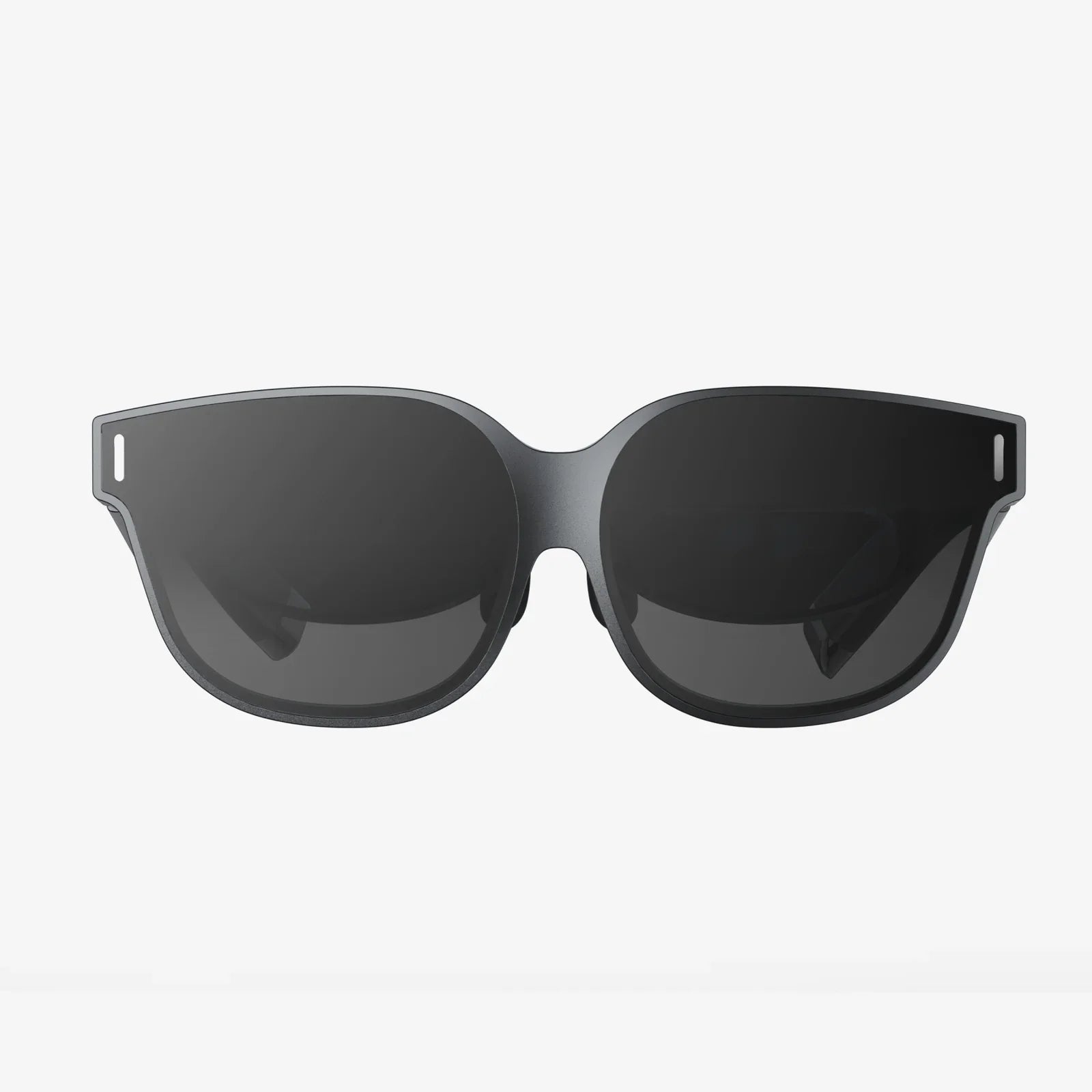
Imagine holding a portal to another world in your pocket. Your smartphone, a device you use for calls, messages, and photos, possesses the raw power to transport you to the edge of the cosmos, the depths of the ocean, or the front row of a concert. This is the incredible promise and accessible magic of smartphone-based virtual reality. You don't need a powerful computer or a dedicated gaming console; the gateway to immersive experiences is already in your hand. The key to unlocking it all is finding the perfect companion: the best VR headset for your smartphone. This journey will demystify the options, empower your choice, and prepare you for a revolution in entertainment, education, and exploration that is literally a snap away.

The Allure of Mobile VR: Power and Portability Combined

The rise of smartphone VR represents one of the most significant leaps in making immersive technology available to the masses. Unlike their more expensive, tethered counterparts, these headsets are marvels of accessibility. They leverage the sophisticated technology we already own—the high-resolution displays, powerful processors, and precise motion sensors embedded in modern smartphones—to create surprisingly convincing virtual environments. The primary advantage is undeniable: low cost of entry. For a fraction of the price of a standalone system, users can dive into a vast library of VR content.

Furthermore, the portability factor cannot be overstated. A mobile VR headset is typically lightweight, requires no cables, and can be used anywhere—from your living room to a long flight (space permitting, of course). This freedom untethers the experience, both literally and figuratively. It's perfect for casual viewing, quick gaming sessions, or showing off the wonders of VR to friends and family without the need for a complex setup. The ecosystem of content, available through app stores, is rich and varied, encompassing 360-degree videos, interactive tours, narrative experiences, and a plethora of games designed specifically for the mobile VR platform.

Key Considerations Before You Dive In

Choosing the best VR headset for your smartphone isn't a one-size-fits-all decision. It requires a careful assessment of your device, your intended use, and your comfort preferences. Overlooking these factors can lead to a subpar experience that fails to capture the true potential of mobile VR.

Smartphone Compatibility: The First and Most Important Step

This is the non-negotiable starting point. Not every headset works with every phone. You must check two critical compatibility factors:

  • Physical Size: The headset's compartment must accommodate your phone's dimensions—its height, width, and, crucially, its thickness, especially if you use a protective case. Measure your phone and compare it to the headset's specifications. A phone that's too large won't fit, and a phone that's too small may not align properly with the lenses, causing a distorted image.
  • Operating System: While the vast majority of mobile VR headsets are designed for both iOS and Android, some content or specific headset features might be exclusive to one platform. Ensure the headset you're considering has robust support for your device's OS.

Defining Your Primary Use Case

How do you plan to use your headset? Your answer will guide your choice.

  • The Media Consumer: If your main goal is watching 360-degree videos, movies, and virtual tours, prioritize headsets with high-quality lenses, good light isolation, and comfortable design for extended wear.
  • The Casual Gamer: For interactive games and experiences, a headset with a reliable controller is essential. Look for bundled controllers or confirmed compatibility with well-regarded Bluetooth gamepads.
  • The Tech Enthusiast: If you're fascinated by the technology itself and love to tinker, you might value headsets with advanced features like adjustable focus, a wider field of view, or expanded connectivity options.

The Pillars of a Great Mobile VR Experience

Beyond compatibility and use case, several core features separate a good headset from a great one. Understanding these will help you discern the best VR headset for smartphones from the rest of the pack.

Optical Clarity and Field of View (FOV)

The lenses are the windows to the virtual world. Their quality directly impacts visual fidelity.

  • Lens Quality: Aspherical or fresnel lenses are common and help reduce distortion and the "screen door effect" (where you can see the lines between pixels). Look for lenses with multi-element designs for a sharper image across the entire field of view.
  • Field of View (FOV): Measured in degrees, FOV determines how much of the virtual world you can see without turning your head. A wider FOV (90 degrees and above) is more immersive, making you feel truly "inside" the experience, while a narrower FOV can feel like looking through binoculars.
  • Adjustability: The ability to adjust the distance between lenses (interpupillary distance or IPD) is a premium feature that ensures the image is sharp and aligned for your specific eyes, reducing eye strain. Similarly, adjustable focus dials can accommodate users who wear glasses, though it's often more comfortable to use the headset with contact lenses or purchase custom lens inserts.

Comfort and Build Quality: Designed for Long Sessions

Immersion breaks the moment discomfort begins. A well-designed headset should feel secure, balanced, and gentle on your face.

  • Weight Distribution: The best designs use a robust strap system—often a triple-strap or rigid headband—to distribute the weight of the phone evenly across your head, not just on the bridge of your nose and your cheeks.
  • Materials: Plush, breathable padding around the eyes and on the forehead is vital. Removable and washable foam is a significant plus for hygiene, especially if multiple people will be using the headset.
  • Build Materials: While lightweight plastic is common, a rigid, well-constructed frame made from durable materials will ensure the headset lasts and maintains its alignment, which is critical for a stable image.

Input and Interaction: Beyond Your Head

While you can navigate some content with a simple magnetic trigger or a single button, true interaction requires a proper controller.

  • Included Controllers: Many headsets now come bundled with a wireless remote. These are typically motion-sensitive, allowing for pointing and basic gestures. This is a must-have for gaming and navigating menus intuitively.
  • Bluetooth Connectivity: For a more advanced gaming experience, ensure the headset platform supports standard Bluetooth game controllers. This opens up a wider range of compatible games and provides a more traditional and precise input method.

Software and Content Ecosystem

The hardware is useless without compelling software. The best VR headset for smartphones is one that grants you access to a thriving content library.

  • App Stores: Both the Apple App Store and Google Play Store host a wealth of VR content. However, some headsets have their own curated app stores or launchers that can simplify discovery and ensure app compatibility.
  • Content Variety: Look for platforms that offer a healthy mix of free and paid content: games, educational apps, virtual travel experiences, and dedicated VR video platforms.

Advanced Features to Look For

As the market has matured, several advanced features have emerged that can significantly enhance the experience, moving it closer to the quality of dedicated systems.

  • Integrated Audio: Some headsets include built-in headphones or audio jacks that provide spatial audio, which is crucial for immersion. Sound that changes as you turn your head adds a powerful layer of realism.
  • Expandable Tracking: This is a rare but powerful feature. Some headsets offer optional external sensors that can track your position in space, allowing you to walk around slightly or duck, translating your real-world movements into the virtual one. This is a giant leap towards true room-scale VR on a mobile device.
  • Wide Phone Compatibility: Premium headsets often feature an adjustable tray or mechanism that can securely hold a much wider range of phone sizes, making them a more future-proof investment.

A Glimpse Into the Future of Mobile VR

The trajectory of smartphone-based VR is fascinating. While the hype cycle has cooled from its initial peak, the technology continues to evolve in the background. We are moving towards even more seamless integration. The lines between standalone VR and smartphone VR may blur further, with phones potentially acting as the processing brain for more advanced glasses-style displays. The advent of 5G technology promises to stream high-fidelity VR experiences directly to headsets, reducing the processing burden on the phone itself. Furthermore, as augmented reality (AR) gains traction, future headsets might offer hybrid VR/AR capabilities, overlaying digital information onto the real world or allowing virtual objects to interact with your physical environment, all powered by the device you already carry every day.

The quest for the best VR headset for your smartphone is a personal one, a balance of practicality, comfort, and technological aspiration. It’s about finding that perfect bridge that transforms a rectangular slab of glass and metal into a spaceship control panel, a theater balcony, or a window into a human cell. By weighing your options carefully and understanding the landscape, you are not just buying a piece of plastic; you are purchasing a ticket to endless worlds of discovery, all waiting to be unlocked by the powerful computer in your pocket. Your front-row seat to the universe is ready—all you have to do is look.

Latest Stories

This section doesn’t currently include any content. Add content to this section using the sidebar.