


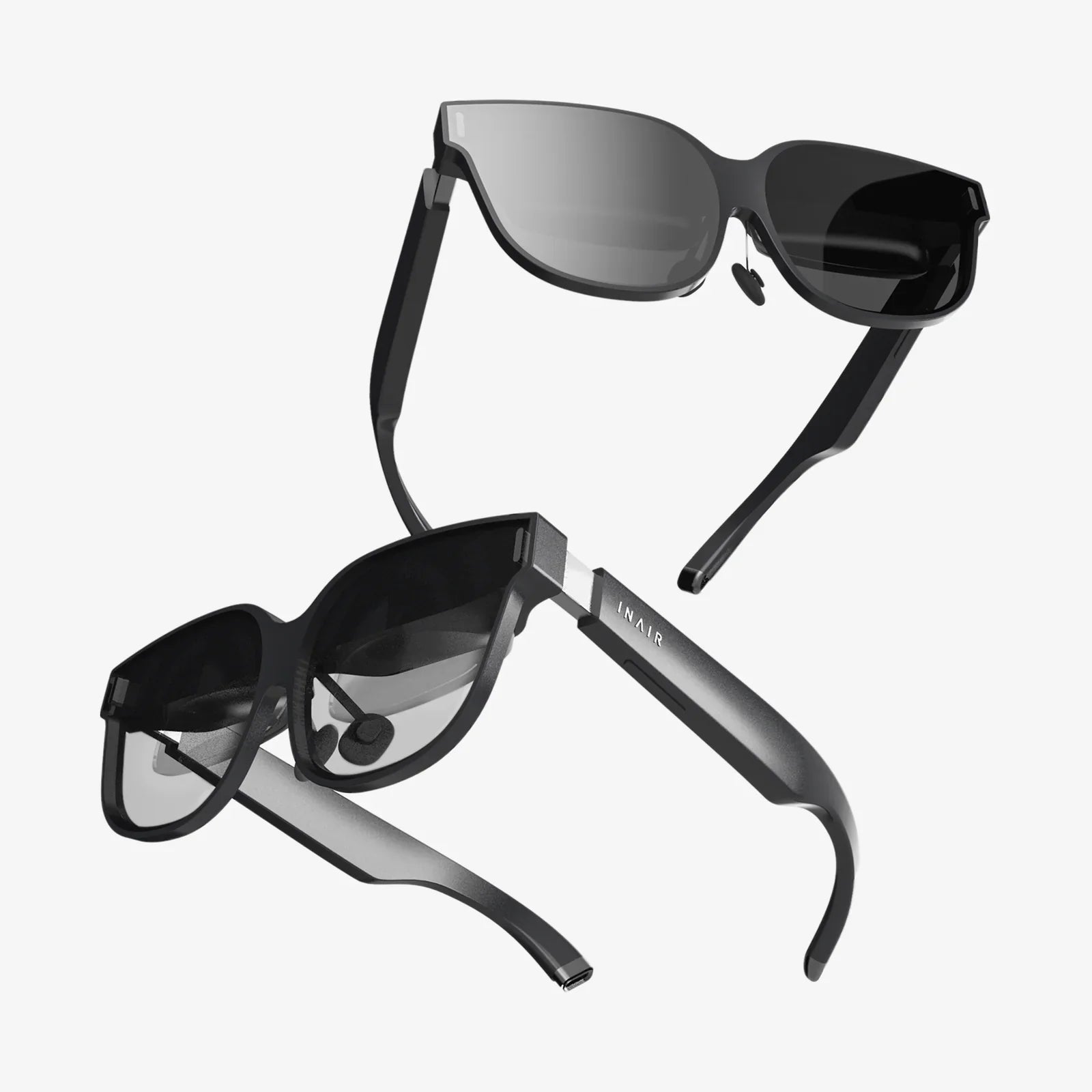
Imagine holding the gateway to new worlds, from the depths of the ocean to the surface of Mars, all from the comfort of your living room, and all for less than the price of a couple of movie tickets. The dream of affordable virtual reality is no longer a futuristic fantasy; it's a very tangible, exciting, and surprisingly accessible reality for millions in India today. The search for the best VR headset under 2000 rupees isn't just about finding a cheap gadget—it's about unlocking a universe of experiences, entertainment, and education without breaking the bank. This guide is your trusted companion, designed to cut through the noise and help you navigate this thrilling, budget-friendly segment of the tech world.
Demystifying Budget VR: What Can You Really Get for Under 2000?
Let's set the stage with a crucial dose of reality. When your budget is capped at ₹2000, you are firmly in the territory of mobile-based VR headsets. This is a critical distinction. Unlike their high-end, PC-powered counterparts which cost tens of thousands, these devices do not have built-in screens or powerful processors. Instead, they are sophisticated holders, or "shells," for your smartphone. Your phone's screen becomes the display, its gyroscope and sensors track your head movements, and its processor powers the entire experience.
This approach is genius in its simplicity and affordability. It dramatically lowers the barrier to entry, allowing you to dip your toes into the VR ocean. For this price, you can expect a comfortable head-mounted display (HMD) with adjustable straps, a set of lenses that create the 3D stereoscopic effect, and a basic input mechanism, often a magnetic or capacitive trigger button on the side. Don't expect standalone functionality or external sensors. The quality of your adventure will be a direct partnership between the headset's build and optical clarity and your smartphone's capabilities.
Key Features to Scrutinize Before You Buy
Not all budget headsets are created equal. Knowing what to look for will ensure you get the most value for your hard-earned money.
1. Compatibility: The Golden Question
This is the most important factor. The headset must work seamlessly with your phone.
- Screen Size: Most headsets support phones between 4.7 to 6 inches, but always check the specific maximum and minimum dimensions.
- Operating System: The vast majority require Android iOS. However, ensure the VR apps you want are available on your platform.
- Sensors: Your phone must have a robust gyroscope and magnetometer for head tracking. Most modern smartphones have this, but it's worth verifying.
2. Lens Quality: The Window to Another World
The lenses are the heart of the device. They are responsible for focusing the image from your phone's screen and creating the immersive 3D effect. Look for:
- Adjustable Lenses: The ability to adjust the Interpupillary Distance (IPD)—the distance between the lenses—is a premium feature often missing in the lowest-tier models but can sometimes be found near the ₹2000 mark. It allows you to align the lenses with your eyes for a clearer image.
- Focus Dials: If you wear glasses or have less-than-perfect vision, a focus dial can be a lifesaver, allowing you to dial in a clear image without wearing your glasses inside the headset.
3. Build Quality, Materials, and Comfort
You'll be wearing this on your head, so comfort is non-negotiable.
- Materials: Headsets in this range are typically made from plastic, but the quality can vary. Avoid flimsy, brittle-feeling plastic. Some may incorporate foam or soft rubber padding for the face rest and forehead.
- Straps: A secure and adjustable head strap system is essential. The classic three-strap design (over the head and two on the sides) is common and effective. Ensure the adjustments are easy to use.
- Weight: A lighter headset is generally more comfortable for longer sessions, especially since you are adding the weight of your phone.
4. Field of View (FOV)
Measured in degrees, the FOV determines how much of the virtual world you can see. A higher FOV (e.g., 100-110 degrees) is more immersive than a lower one (e.g., 90 degrees), making you feel more "inside" the experience rather than looking through a tunnel. Most budget headsets offer a FOV between 90-110 degrees.
5. Input and Interaction
How do you interact with the virtual world? The most basic method is a magnetic trigger button located on the side of the headset that interacts with a small magnet on the phone's screen, simulating a tap. Some more advanced models in this segment might include a basic Bluetooth remote controller for more intuitive navigation, though this is rarer at the very lowest prices.
The Types of VR Content You Can Enjoy
Your ₹2000 headset is a key that unlocks a vast library of content. Here’s what you can experience:
- 360-Degree Videos and Photos: Explore travel destinations, watch music videos, or experience events as if you were there. Platforms like YouTube have a massive library of 360 content.
- VR Games: From simple roller coaster simulators and horror experiences to more engaging puzzle and adventure games, the Google Play Store and App Store have a surprising number of VR-compatible titles.
- Virtual Tours: Many museums, historical sites, and even real estate companies offer virtual tours that you can experience in VR.
- Educational Apps: Learn about human anatomy by walking through a giant heart, or study astronomy by navigating the solar system.
- Media Consumption: Use cinema-style apps to watch your own movies on a giant virtual screen.
Setting Realistic Expectations: The Limitations
To avoid disappointment, it's vital to understand the limitations of budget VR.
- Screen Door Effect (SDE): Since you are using your phone's screen, you may perceive a fine grid-like pattern, as if you are looking through a screen door. This is less noticeable on phones with higher-resolution displays (Quad HD or better).
- Potential for Motion Sickness: VR can cause discomfort or nausea for some users, especially in experiences with a lot of artificial movement. Start with stationary experiences and take frequent breaks.
- Battery Drain: VR is computationally intensive and will drain your phone's battery quickly.
- Graphical Fidelity: Don't expect the photorealistic graphics of a high-end gaming PC. The visuals will be comparable to mobile game graphics.
Where to Buy and How to Verify
E-commerce platforms are the primary marketplace for these headsets. When browsing, be vigilant.
- Read Reviews Extensively: Don't just look at the star rating. Read the most recent and detailed reviews. Look for comments on comfort, lens clarity, phone compatibility, and durability.
- Check Seller Ratings: Buy from well-rated, reputable sellers to avoid counterfeit products or scams.
- Look at Product Images: Scrutinize the user-uploaded images to get a better sense of the actual product versus the marketing renders.
Top Tips for the Best Experience
- Start with a Clean Slate: Close all background apps on your phone before starting a VR session to maximize performance.
- Mind Your Brightness: Lower your screen brightness to save battery and reduce eye strain.
- Embrace the Darkness: Use the headset in a dimly lit room to prevent light leakage from breaking your immersion.
- Take Breaks: Follow the 20-20-20 rule: every 20 minutes, take a 20-second break and look at something 20 feet away.
- Curate Your Content: Search for "Cardboard" or "VR" apps on your app store. Some classics to begin with include YouTube (for 360 videos), Fulldive VR, and simple games like Lamper VR.
The journey into virtual reality doesn't require a king's ransom. For under 2000 rupees, you can secure a passport to countless adventures, stories, and learning opportunities. By prioritizing compatibility, comfort, and lens quality, you can find a headset that offers incredible value and serves as the perfect introduction to this transformative technology. Your foray into VR is just a click away—a world of immersive experiences is waiting to be discovered, and it's far more affordable than you ever thought possible.
Share:
Best VR Headset Available: The Ultimate Guide to Immersive Technology in 2024
How Much Is The Most Expensive VR Headset - A Deep Dive Into The Pinnacle Of Immersive Technology