


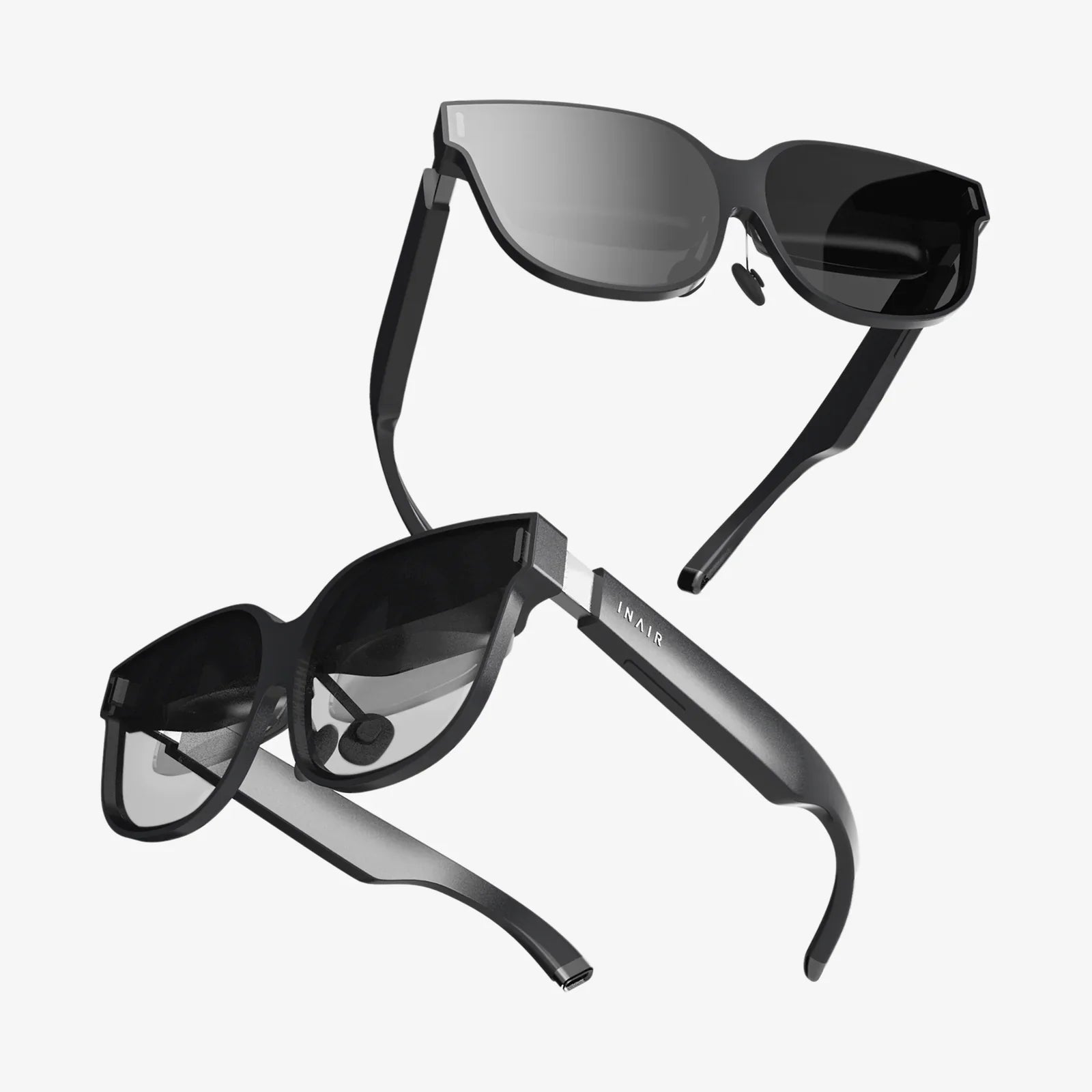
Stepping into a virtual world has never been more enticing or more confusing. With a market brimming with options, each promising unparalleled immersion, the quest to find the best VR headset to buy right now can feel like a puzzle. But what if you had a clear map? This guide isn't just a list; it's a deep dive into the very soul of VR technology, designed to equip you with the knowledge to make an investment you'll be thrilled with for years to come. Let's demystify the future, one pixel at a time.
The Core of the Experience: Understanding Key VR Specifications
Before comparing individual devices, it's crucial to understand the language of VR. These specifications are the bedrock of your experience, determining everything from visual clarity to how freely you can move.
Display Resolution and Lens Clarity
Often the most advertised spec, resolution is measured in pixels per eye. However, raw numbers like 1832 x 1920 or 2448 x 2448 don't tell the whole story. The true measure of clarity is PPD (Pixels Per Degree), which factors in the field of view. A higher PPD means a sharper image with less visible "screen door effect" (the fine mesh-like lines between pixels). The type of display panel is equally important. Fast-switch LCDs are common and offer high resolution at a good value, while advanced micro-OLED displays are emerging in premium headsets, providing unparalleled contrast, black levels, and color vibrancy. The lenses themselves have evolved. While many headsets use Fresnel lenses (noted for their concentric circles), the industry is rapidly moving towards pancake lenses. These compact optics allow for a much slimmer and lighter headset design while improving edge-to-edge clarity and reducing god rays (those hazy light flares on high-contrast scenes).
Tracking: Inside-Out vs. External Sensors
How does the headset know where you are? This is the job of the tracking system. Inside-Out Tracking is the modern standard for consumer devices. Cameras mounted on the headset itself view your surroundings and controllers to track movement. It's incredibly user-friendly, requiring no external hardware setup, making it perfect for room-scale play and easy storage. External Sensor Tracking (or Outside-In) uses base stations or sensors placed around your play area to precisely track markers on the headset and controllers. This system is renowned for its millimetre-accurate, low-latency tracking, especially crucial for competitive gaming and professional applications. However, it requires a more involved setup and permanent play space.
Performance and Processing: Standalone vs. Tethered
This is the fundamental divide in the current VR market. Standalone Headsets are all-in-one units with a mobile processor, battery, and operating system built directly into the headset. They offer complete wireless freedom, are easy to set up, and are generally more affordable. The trade-off is that their graphical fidelity is constrained by mobile-level hardware, though recent advancements have been staggering. Tethered (PCVR) Headsets must be connected via a high-speed cable to a powerful gaming computer. They act as a display, leveraging the immense processing power of the PC to deliver the highest-fidelity visuals, complex physics, and vast, detailed worlds. The experience is visually superior but comes at a significantly higher total cost and sacrifices wireless freedom.
Comfort and Ergonomics: The Forgotten Frontier
A headset can have the best specs on paper, but if it's a pain to wear, it will gather dust. Comfort is subjective but paramount. Key factors include weight distribution—a top strap or counterweight on the back can make a heavy headset feel much lighter; facial interface—the material that touches your face (often foam or silicone) should be breathable and easy to clean; and adjustability—multiple points of adjustment (IPD, strap tightness, etc.) ensure a secure and custom fit for a wide range of head shapes. Never underestimate the importance of a good, ergonomic controller that feels like a natural extension of your hand.
Navigating the VR Ecosystem: Matching a Headset to Your Needs
There is no single "best" headset for everyone. The right choice is a deeply personal one, hinging on your priorities, existing hardware, and budget.
For the Absolute Beginner and Family User
If you're new to VR or want a device for the whole family to enjoy, your priorities are ease of use, affordability, and a massive, accessible library of games and experiences. A standalone headset is almost certainly the answer. The entry cost is lower, and there's no technical hurdle—you simply put it on and go. The content libraries for these platforms are curated and vast, filled with intuitive, pick-up-and-play titles, social apps, and fitness games. Look for a device with a strong emphasis on user-friendly software, robust parental controls, and a design that can accommodate different users comfortably.
For the Dedicated Gamer and Tech Enthusiast
If your primary goal is to experience the cutting edge of graphical fidelity and you already own or are willing to invest in a high-end gaming PC, a tethered PCVR headset is your destination. This path is for those who crave the most immersive, visually stunning simulations and AAA game ports. You'll want to focus on headsets with the highest resolution displays, wide field of view, and advanced features like eye-tracking (which can enable foveated rendering for a performance boost) and high-quality pancake lenses. The setup is more complex and the total investment is higher, but the payoff is an unparalleled level of immersion that represents the current pinnacle of consumer VR technology.
For the Professional and Creator
VR isn't just for games. Architects, designers, artists, and trainers are using VR for visualization, 3D sculpting, and virtual collaboration. For these users, precision, clarity, and comfort for long sessions are critical. A high-resolution tethered headset is typically required. Features like inside-out tracking with controller-free hand tracking can be incredibly useful for manipulating virtual objects naturally. Furthermore, color accuracy and the ability to read text clearly (high PPD) are non-negotiable for professional software applications. The choice often narrows to devices that prioritize clarity and professional feature sets over mass-market gaming appeal.
The Contenders: A Spectrum of Choices
The current market offers a spectrum of devices catering to these different needs. Remember, the best choice is defined by how well it serves your specific use case.
The All-Rounder Standalone King
This category is dominated by a headset that has set the standard for the standalone experience. It strikes a remarkable balance between performance, comfort, and software. Its library is the largest in the VR space, supported by a tech giant, ensuring a constant stream of new content and updates. With strong inside-out tracking, a great set of controllers, and a focus on social and fitness applications, it represents the most complete and accessible package for the majority of users. It's the safe, rewarding bet for anyone wanting to jump into VR without a gaming PC.
The High-End PCVR Powerhouse
For those who demand the best visual experience money can buy, a new generation of headsets has emerged. These devices often feature stunning micro-OLED displays with local dimming for incredible contrast, ultra-high resolutions that all but eliminate screen door effect, and wide fields of view that increase immersion. They are almost exclusively tethered to a PC, leveraging its power to drive their demanding displays. They frequently include advanced features like automatic IPD adjustment, built-in stereo speakers, and extensive comfort options. The investment is significant, requiring both the expensive headset and a powerful computer, but it delivers a glimpse at the future of high-fidelity virtual reality.
The Wireless Hybrid Innovator
A fascinating category has emerged that attempts to bridge the gap between standalone convenience and PCVR power. One headset, in particular, can operate as a capable standalone device but also connect wirelessly to a gaming PC via a dedicated streaming app. This offers an incredible degree of flexibility—you can enjoy the convenience and mobile library of a standalone headset, but also untether yourself from your PC to experience high-end VR games without a cable tethering you to your computer. The wireless PCVR experience involves some compression and requires a very good Wi-Fi 6/6E network, but for many, the trade-off for complete freedom is well worth it.
Looking Ahead: The Future on the Horizon
The VR landscape is not static. Several exciting technologies are poised to redefine the experience in the coming years. Micro-OLED and Mini-LED displays will become more common, bringing theater-level contrast to more devices. Varifocal lenses, which can dynamically adjust to match your eye's focus, promise to solve the vergence-accommodation conflict—a major source of eye strain and a barrier to full immersion. Furthermore, the industry is slowly moving towards more open ecosystems, with some headsets beginning to support multiple PCVR storefronts, giving users more choice over where they buy their content. Keeping an eye on these trends can help you future-proof your investment.
Your perfect virtual gateway isn't the one with the most impressive spec sheet; it's the one that seamlessly integrates into your life, delivering wonder without friction. It’s the device that makes you forget you’re wearing technology and instead transports you to another reality, whether that's a fantastical game world, a virtual concert with friends, or a focused creative space. By weighing the delicate balance of visual fidelity, wireless freedom, and content access, you’re no longer just buying a piece of hardware—you’re choosing your passport to experiences yet unimagined. The door is open; all you have to do is take that first step.
Share:
VR Headset for 6.3 Inch Phone: Your Ultimate Portal to Immersive Entertainment
Using VR Headset to Watch Movies: The Ultimate Immersive Cinema Experience