


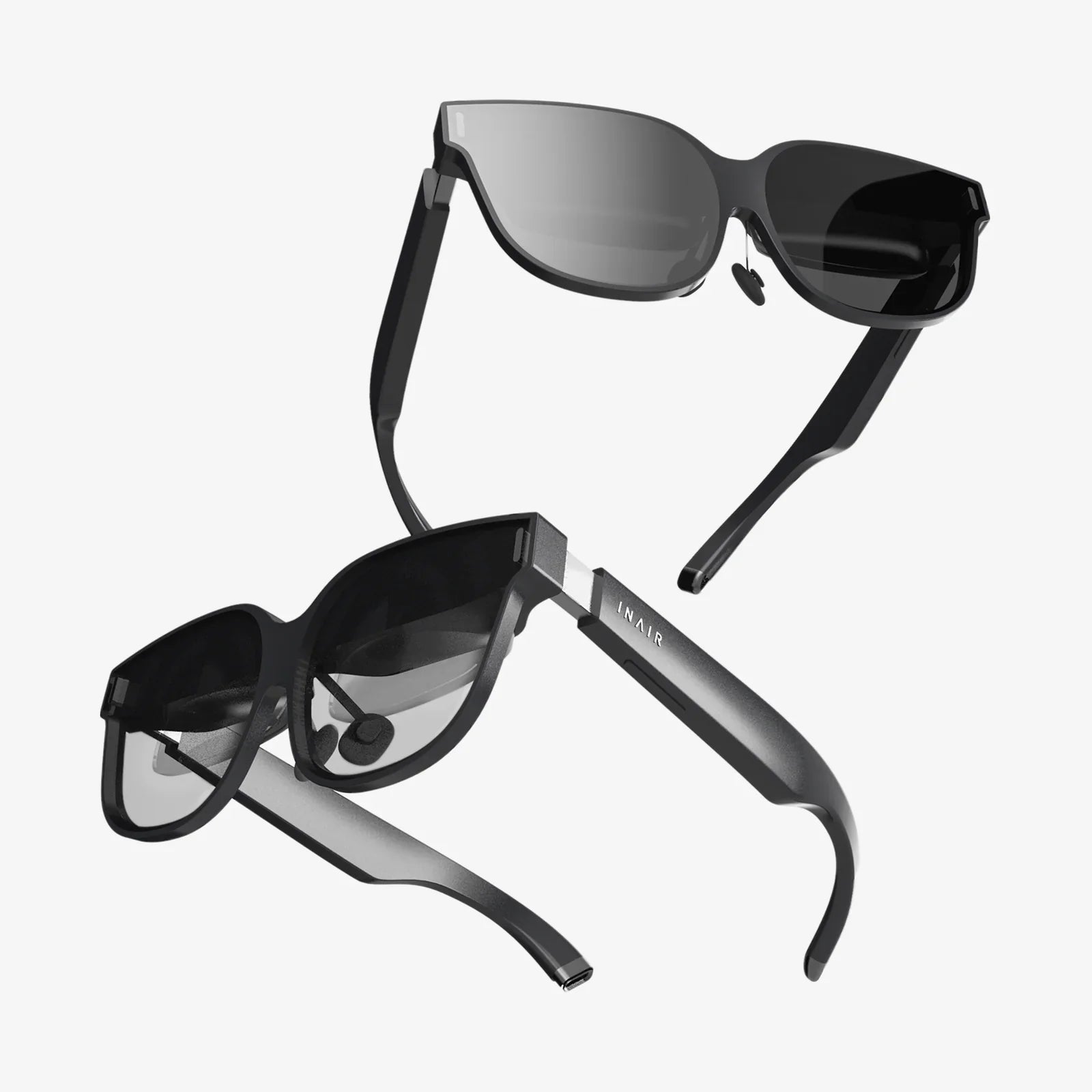
Imagine stepping through a portal into another world, where the boundaries of reality dissolve and your living room transforms into a fantastical landscape, a competitive arena, or a virtual meeting space. This is the promise of virtual reality, a technology that has exploded from science fiction fantasy into a tangible, awe-inspiring consumer experience. But with a market brimming with options, from sleek, standalone units to powerful, tethered behemoths, how do you possibly choose the best VR headset today? The answer isn't a single model, but a perfect alignment of technology with your personal desires for immersion, comfort, and experience. This definitive guide will cut through the noise, demystify the specs, and equip you with the knowledge to find your personal gateway to new realities.
The Three Pillars of Modern VR: Understanding Your Options
The first and most critical choice in your VR journey is selecting the type of platform that fits your lifestyle. The market has matured into three distinct categories, each with its own strengths and ideal user.
Standalone VR: The Freedom of All-in-One
Standalone headsets represent the most accessible and user-friendly entry point into VR. These devices have all the necessary computing power, sensors, and batteries built directly into the headset. There are no wires to connect to a powerful computer and no need to set up external tracking sensors.
Pros:
- Unmatched Convenience & Portability: Pick it up and you're inside VR within seconds. You can use it in any room with enough space to move safely.
- Lower Barrier to Entry: The initial cost is typically lower since you don't need to invest in high-end hardware.
- User-Friendly: The setup process is often streamlined and managed through intuitive mobile apps.
Cons:
- Limited Processing Power: The graphics and computational fidelity are constrained by the mobile-grade chipset running the show. Experiences can be less visually complex than their PC-powered counterparts.
- Battery Life: Sessions are limited to 2-3 hours on a single charge, which can interrupt longer gaming or viewing experiences.
Ideal For: Newcomers to VR, families, users who value convenience and wireless freedom, social VR applications, media consumption, and lighter gaming experiences.
PC VR: The Power of High-Fidelity Gaming
PC-connected, or tethered, VR headsets are the performance powerhouses of the industry. They rely on a direct connection to a capable gaming computer to handle the intense graphical rendering required for the most immersive experiences.
Pros:
- Top-Tier Visuals & Performance: Experience breathtakingly detailed textures, complex physics, high resolutions, and buttery-smooth frame rates that are crucial for deep immersion and comfort.
- Largest Library of Deep Content: Access a vast ecosystem of graphically intensive games and sophisticated simulations on platforms like SteamVR.
- Advanced Features: Often feature higher-quality displays, wider fields of view, and more precise tracking systems.
Cons:
- High Cost: Requires a significant investment not only in the headset itself but also in a powerful gaming PC that meets the often-steep system requirements.
- Wired Tether: A cable connects the headset to the computer, which can be immersion-breaking and a trip hazard, though wireless adapter kits exist for some models.
- Complex Setup: The process involves connecting sensors, managing software drivers, and ensuring PC compatibility.
Ideal For: Hardcore gamers, simulation enthusiasts (flight, racing, etc.), professionals in architecture and design, and anyone seeking the absolute pinnacle of visual and interactive quality.
Console VR: The Plug-and-Play Experience
This category is more niche, typically designed to work seamlessly with a specific video game console. It offers a middle ground between the plug-and-play ease of standalone and the curated high quality of PC VR.
Pros:
- Optimized Ecosystem: Games are specifically designed and optimized for the headset and console hardware, ensuring a stable and high-quality experience.
- Simplified Setup: Connects directly to the console with minimal fuss, leveraging a system you may already own.
- Strong Exclusive Content: Often features must-play games that are unavailable on other platforms.
Cons:
- Platform Lock-In: You are locked into the ecosystem of that specific console manufacturer.
- Limited Hardware Choices: There are very few options in this space, limiting consumer choice.
Ideal For: Owners of the specific console who want a guaranteed high-quality VR experience with excellent exclusive titles.
Beyond the Box: Critical Features to Scrutinize
Once you've chosen your preferred platform, you must dive into the specifications and features that separate a good headset from a great one. These elements directly impact your comfort, immersion, and long-term satisfaction.
Visual Clarity: Resolution, Lens Technology, and Refresh Rate
The quality of the display is paramount. The dreaded "screen door effect"—where you can see the lines between pixels—is now largely a thing of the past thanks to higher-resolution displays.
- Resolution: Measured in pixels per eye. Higher numbers generally mean sharper, clearer images. Look for at least 1832x1920 per eye as a modern standard.
- Lens Quality: Pancake lenses are a newer technology that allows for a much slimmer and lighter headset design while improving edge-to-edge clarity compared to older Fresnel lenses, which can cause god rays and glare in high-contrast scenes.
- Refresh Rate: Measured in Hertz (Hz), this is how many times the image refreshes per second. A higher rate (90Hz and above) leads to smoother motion, reduced latency, and is critical for preventing motion sickness. Many headsets now support 120Hz modes.
Tracking: How Your World Follows You
Accurate tracking is what makes VR feel real. It's the technology that translates your real-world movements into the virtual space.
- Inside-Out Tracking: Cameras on the headset itself track the controllers and your environment. This is the standard for standalone headsets and most modern PC VR kits, as it requires no external sensors and makes setup a breeze.
- Outside-In Tracking: External sensors or base stations placed around the room track the position of the headset and controllers. This method is often considered the gold standard for absolute precision and is favored by competitive VR gamers and professional applications, but it comes with the hassle of a more involved setup.
Comfort and Ergonomics: The Forgotten Frontier
You can have the most powerful headset in the world, but if it's uncomfortable, you won't use it. Comfort is a feature.
- Weight Distribution: A well-designed headset uses a counter-balanced strap (like a rigid halo or elite strap) to distribute weight away from your face and onto your forehead and the back of your skull. This is far superior to basic elastic straps.
- Interpupillary Distance (IPD) Adjustment: This physically or digitally shifts the lenses to match the distance between your pupils. Proper IPD adjustment is non-negotiable for visual clarity and eye strain prevention.
- Materials: Look for lightweight builds, breathable facial interfaces (often replaceable), and adjustable, padded straps.
The Controllers: Your Hands in the Virtual World
Controllers are your primary interface with the virtual world. Modern controllers are ergonomic wonders that use a combination of inertial sensors and the headset's tracking cameras to accurately represent your hands.
- Haptics: Advanced rumble features provide nuanced feedback, from the gentle buzz of a virtual object to the sharp kick of a weapon.
- Tracking Rings: The large plastic rings often seen on controllers house the LEDs or patterns that the headset's cameras use for tracking.
- Button Layout: They typically feature analog sticks, buttons, and triggers designed for intuitive interaction within VR environments.
Sound: The Unsung Hero of Immersion
Audio is half of the immersion equation. Spatial audio—the ability to hear sounds from specific directions and distances—is what makes you turn your head when you hear a noise behind you in VR.
- Built-in Speakers: Many headsets now feature directional speakers that hover near your ears, providing excellent spatial audio while allowing you to remain aware of your real-world surroundings.
- 3.5mm Jack: The option to plug in your own high-quality headphones is always a welcome feature for private, high-fidelity listening.
The Content Conundrum: What Will You Actually Do?
A headset is just a window; the software is the view. The available content library is arguably as important as the hardware itself.
Gaming: The Driving Force
VR gaming is the primary application for most users. The library is vast and diverse:
- AAA Experiences: Deep, narrative-driven games and large-scale ports from major studios offer dozens of hours of gameplay.
- Rhythm Games: Incredibly popular titles that have you slicing blocks, dodging walls, and moving to the beat.
- Social Hubs: Platforms where you can hang out, play games, and attend events with friends as personalized avatars.
- Fitness Apps: A surprise killer app. Dedicated fitness games provide incredibly effective and fun full-body workouts.
- Simulations: The ultimate experience for racing and flight enthusiasts, offering unparalleled realism.
Beyond Gaming: Productivity and Social Connection
VR is evolving into a platform for work and socializing.
- Virtual Desktops: Software that allows you to project your computer's desktop into a virtual environment, enabling you to work on a massive, private screen from anywhere.
- Collaborative Workspaces: Apps designed for remote teams to meet in virtual boardrooms, brainstorm on 3D whiteboards, and manipulate 3D models together.
- Media Consumption: Watching movies on a virtual giant screen or experiencing 360-degree videos and travel experiences.
Future-Proofing Your Purchase: The Horizon of VR
The VR landscape is not static. Several emerging technologies are set to redefine the experience in the coming years.
- Eye-Tracking: This technology allows the headset to know precisely where you are looking. It enables foveated rendering, a technique that renders the center of your vision in high detail while reducing the quality in your peripheral vision, drastically reducing the GPU power needed to run experiences. It also enables more natural social interactions by allowing avatars to make eye contact.
- Mixed Reality (MR): Using color passthrough cameras, MR headsets can blend digital objects with your real-world environment. This opens up incredible new possibilities for gaming, productivity, and design, allowing you to pin virtual screens to your walls or see digital creatures running around your coffee table.
- Haptic Feedback: The next frontier is haptic vests and gloves that allow you to feel impact, resistance, and texture in the virtual world, taking immersion to a whole new level.
The search for the best VR headset today is a thrilling personal quest, not a one-size-fits-all answer. It demands honest reflection on your budget, your tolerance for technical setup, your craving for graphical supremacy, and your dream virtual activities. Whether you prioritize the untethered freedom of a standalone device, the raw, breathtaking power of a PC-connected system, or the curated ease of a console ecosystem, the perfect portal awaits. The technology has matured, the libraries are overflowing with incredible experiences, and the future is brighter—and more immersive—than ever. Your journey into other worlds begins not with a single choice, but with understanding which world of technology is right for you.
Share:
What Do You See in a VR Headset - A Journey Into Digital Realities
Is It Worth Getting a VR Headset? An In-Depth Look at the Virtual Frontier