


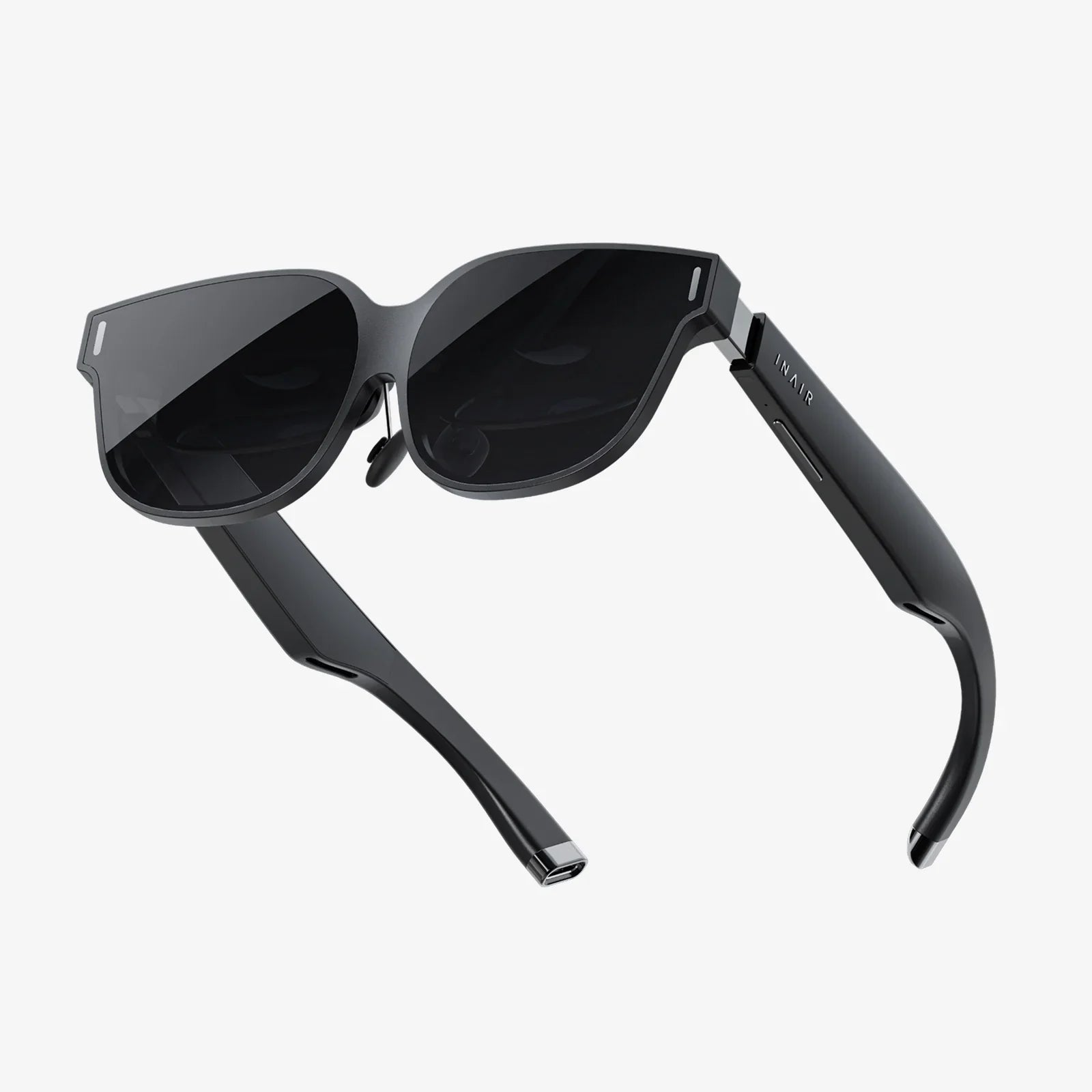
Imagine stepping into a breathtaking virtual world, exploring ancient ruins, attending a live concert from your couch, or battling intergalactic invaders—all without spending a fortune. The year 2025 has ushered in a new golden age for affordable virtual reality, where the barrier to entry has been shattered. For less than the cost of a pair of premium wireless headphones, you can now own a portal to infinite experiences. The hunt for the best VR headset under $100 is no longer a quest for a compromised toy, but a search for a genuinely impressive piece of technology that promises to redefine your entertainment and connectivity. This guide will navigate the exciting and rapidly evolving budget VR landscape, ensuring you find the perfect headset to launch your adventures.
The State of Affordable VR in 2025
Just a few years ago, the term "budget VR" was often synonymous with flimsy plastic, poor displays, and a library of shallow experiences. Today, that notion is utterly obsolete. Driven by fierce competition and rapid technological trickle-down from premium models, the sub-$100 segment has matured dramatically. Manufacturers have perfected the art of delivering core VR functionality by focusing on essential features rather than superfluous bells and whistles. The result is a market filled with devices that offer stunning visual clarity, robust tracking, and access to vast content libraries, all while adhering to a strict budget. This democratization of technology means immersive virtual reality is now truly accessible to everyone.
Key Features to Prioritize in a Sub-$100 Headset
While you can't expect every high-end feature at this price point, knowing what to look for will ensure you get the best possible experience for your money.
Display Resolution and Lens Quality
The single most important factor for immersion is the quality of the image you see. In 2025, the benchmark for budget headsets is a minimum per-eye resolution that significantly reduces the "screen door effect"—that distracting grid of lines between pixels that plagued earlier models. Look for terms like Fast-Switch LCD or improved OLED panels that offer vibrant colors and deep blacks. Equally crucial are the lenses; aspherical or fresnel lens designs should provide a large "sweet spot" (the area where the image is perfectly clear) and reduce god rays and blurring around the edges.
Tracking Technology: Inside-Out vs. External Sensors
Forget about complicated external sensor setups that require careful calibration and cable management. All competitive budget headsets in 2025 utilize inside-out tracking. This means cameras or sensors are mounted directly on the headset itself, allowing it to map your room and track the position of your head and controllers without any external hardware. This technology has become incredibly precise and reliable, offering six degrees of freedom (6DoF) for a fully immersive experience where you can duck, dodge, and lean into the virtual world.
Controller Design and Haptic Feedback
Your hands are your primary interface in VR, so the controllers matter. The standard has become ergonomic, two-piece controllers that fit comfortably in your hands, each with an analog stick, buttons, a trigger, and a grip button. Advanced haptic feedback is now common even in budget models, providing subtle vibrations that simulate the recoil of a weapon, the thrum of a vehicle, or the impact of a virtual object, greatly enhancing the sense of presence.
Comfort and Adjustability
A headset you can't wear for more than twenty minutes is a bad purchase, no matter how cheap. Prioritize models with adjustable head straps (preferably a rigid halo design or flexible straps with a rear counterweight), padded face gaskets made from breathable, hygienic materials, and a balanced weight distribution. The ability to adjust the lens distance (IPD) is also critical for aligning the screens with your pupils for a clear and comfortable view.
Content Library and Platform Compatibility
A headset is useless without software. Most devices under $100 are not standalone; they act as a display for a more powerful external device. The two primary platforms are:
- PC VR: These headsets connect to a gaming computer, unlocking the vast libraries of platforms like SteamVR and the Oculus PC app, home to the most graphically intensive and complex VR games and experiences.
- Console/Mobile VR: Some headsets are designed to work with specific gaming consoles, leveraging their power and exclusive game titles. Others may utilize a smartphone's processing power and sensors, though this category has shrunk significantly as dedicated hardware has become more affordable.
Understanding the Trade-Offs: What $100 Really Gets You
Setting realistic expectations is key to being satisfied with your purchase. At this price, you are getting a dedicated display and lens system with excellent tracking, but you are not getting a full computing package. The primary trade-off is that these are not all-in-one, standalone headsets. They require a connection to a source device—a capable gaming PC or a modern game console. This means your total investment involves both the headset and the hardware that powers it. Furthermore, you might miss out on premium features like eye-tracking, facial expression capture, or wireless streaming, which are still reserved for higher-tier devices. However, the core experience of high-quality, immersive VR is very much intact.
Setting Up Your New VR Headset
Once you've made your choice, proper setup is straightforward but essential. You'll need to download the necessary software or drivers on your PC or console. The room setup process will involve defining your play area—a cleared space where you can move safely without bumping into furniture. The inside-out tracking cameras will scan your environment, creating a guardian boundary that appears in VR if you get too close to the edges of your play space. Taking the time to adjust the headstrap and IPD for a clear, comfortable fit will make your first session, and every one after it, infinitely more enjoyable.
Must-Try Experiences to Start Your VR Journey
Your new headset is your ticket to countless worlds. Here are a few types of experiences that showcase the power of VR without requiring a massive financial investment in software:
- Social VR Platforms: Jump into free social spaces where you can meet friends, watch videos, play casual games, and attend events with people from around the world. These platforms are incredibly popular and demonstrate VR's potential for human connection.
- Rhythm Games: A staple of the VR genre, these games have you slicing blocks, dodging walls, and catching notes to the beat of infectious music. They are incredibly fun, great exercise, and perfect for showing off VR to friends and family.
- Exploration and Adventure Titles: From puzzle-solving in mysterious environments to simply exploring breathtaking alien landscapes, these experiences are perfect for getting lost in the immersion of virtual reality.
- VR Mods for Flat-Screen Games: A passionate modding community has added VR support to many existing popular flat-screen PC games, vastly expanding your potential library with some truly incredible conversions.
The Future is Now, and It's Affordable
The journey to find the perfect VR headset no longer requires a map to a hidden treasure chest of gold. The technology that once felt like science fiction is now sitting on virtual store shelves, waiting for you to claim it. With a clear understanding of the features that matter and the realistic expectations of what a sub-$100 device can deliver, you are empowered to make a brilliant choice. You're not just buying a piece of hardware; you're investing a minimal amount for a maximum return in entertainment, wonder, and a new way to see and interact with digital worlds. The door to virtual reality is wide open, and the only thing left to do is take that first, awe-inspiring step through it.
Share:
What Is The Best Resolution VR Headset - A Deep Dive Into Visual Fidelity
Use Android Phone as VR Headset - Your Ultimate Guide to Affordable Virtual Reality