


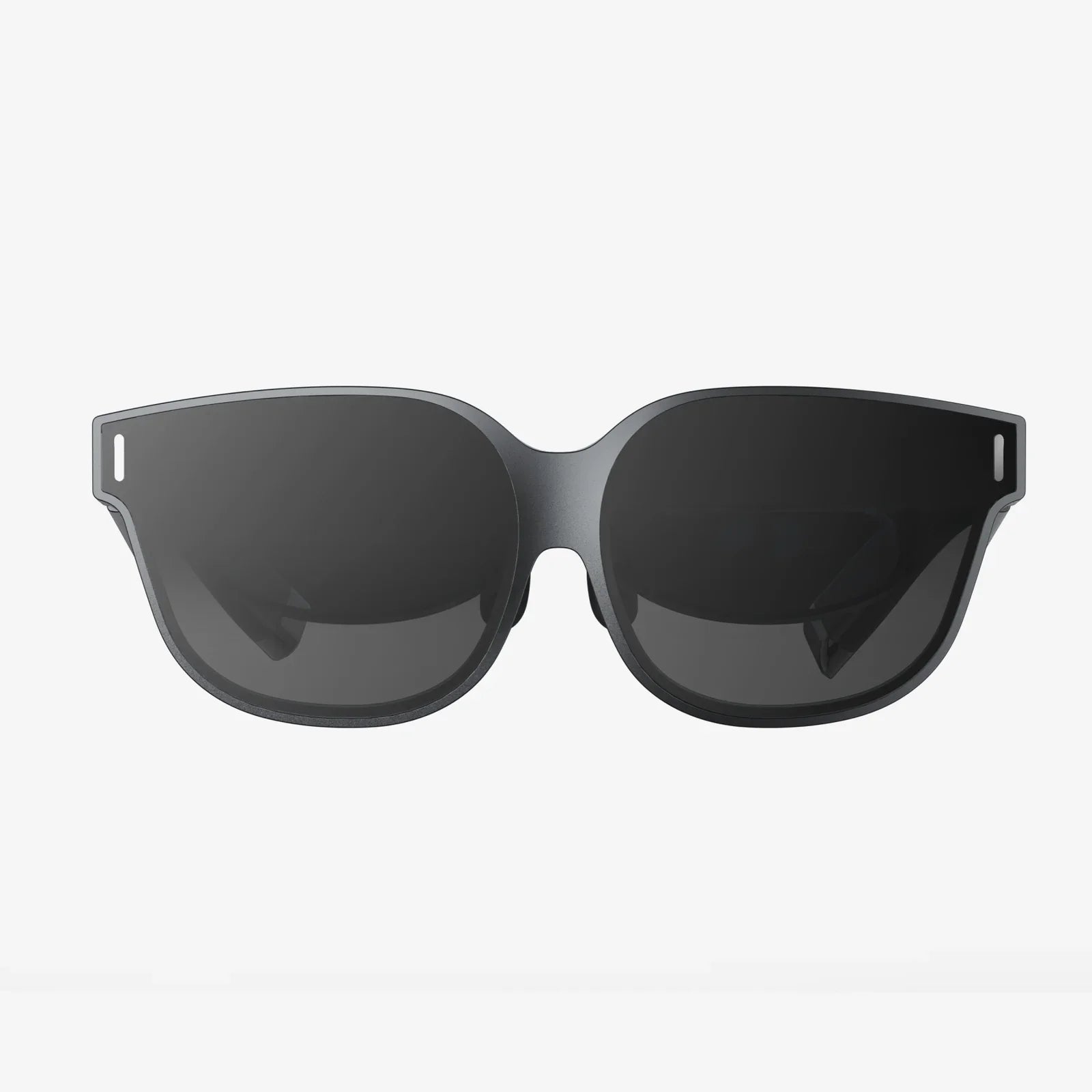
Imagine stepping into a world limited only by your imagination, where the lines between the digital and the physical blur into nothingness. This is the promise of high-fidelity virtual reality, an experience once reserved for tech giants and research labs but now accessible to the discerning enthusiast. With a budget of $2000, you are not just buying a gadget; you are purchasing a portal to new realities, a tool for unparalleled creativity, and a window into the future of computing. This guide is your first step through that portal, designed to demystify the high-end market and help you claim the ultimate immersive experience that awaits.
The New Golden Age of Virtual Reality
The virtual reality landscape has evolved at a breathtaking pace. We have moved far beyond the novelty of basic mobile-powered viewers into an era of sophisticated, powerful, and truly transformative technology. A budget of $2000 places you at the forefront of this revolution, granting access to headsets that boast staggering display clarity, precise inside-out tracking, and ergonomic designs built for extended journeys into the metaverse. This tier is no longer about simply experiencing VR; it's about experiencing it in its most refined and powerful form, with minimal compromises.
Deconstructing the Premium VR Experience: Key Specifications
To understand what makes one headset stand out in this competitive price bracket, we must break down the core components that define the user experience. Each element works in concert to create a sense of "presence"—the magical feeling of truly being in another world.
Visual Fidelity: The Window to Another World
The display is arguably the most critical component. Here, three factors are paramount:
- Resolution and Pixel Density (PPI): Look for headsets offering combined resolutions of 4K and beyond. High pixel density is crucial for eliminating the "screen door effect," where the gaps between pixels are visible, thus preserving immersion.
- Lens Technology: Advanced lens systems, like pancake lenses, allow for a more compact headset design and a larger "sweet spot"—the area where the image remains perfectly clear and in focus. This reduces eye strain and makes the experience more comfortable.
- Refresh Rate: A high refresh rate (90Hz, 120Hz, or even 144Hz) ensures smooth motion, which is critical for both fast-paced gaming and avoiding motion discomfort. The higher the refresh rate, the more natural and responsive the virtual world will feel.
Tracking and Controllers: Your Body in the Machine
How the headset translates your real-world movements into the digital realm is fundamental to immersion.
- Inside-Out Tracking: The modern standard for high-end headsets. Cameras on the headset itself track your movement and the position of the controllers, eliminating the need for external base stations. This makes for a much simpler setup process and greater freedom of movement.
- Controller Design and Haptics: Premium controllers offer ergonomic designs, intuitive button layouts, and advanced haptic feedback. This isn't just simple vibration; it's nuanced feedback that can simulate the feeling of tapping a surface, catching a ball, or feeling the virtual wind.
- Eye and Face Tracking: An emerging feature in this price range. Eye tracking allows for foveated rendering (where only the area you're directly looking at is rendered in full detail, boosting performance) and more expressive social interactions in virtual spaces.
Comfort and Design: For Long-Term Exploration
A headset can have the best specs on paper, but if it's uncomfortable to wear, it will gather dust.
- Weight Distribution: Premium materials and clever design ensure the weight is balanced, often shifting it away from the front of your face to prevent pressure points.
- Strapping Systems: Look for robust, adjustable straps—often a rigid halo design or a flexible, padded strap—that can be dialed in for a secure and comfortable fit for various head shapes.
- Ventilation and Materials: Breathable fabrics and well-placed vents prevent lens fogging and keep you cool during active experiences.
Audio: The Unseen Hand of Immersion
3D spatial audio is non-negotiable. High-end headsets often feature integrated, high-quality headphones or speakers that beam audio directly into your ears. This technology allows you to hear sounds from specific directions and distances—hearing an enemy creep up behind you or the subtle ambiance of a virtual forest is a game-changer for immersion.
Performance and Connectivity: The Brain of the Operation
Headsets in this category typically fall into two camps: tethered (PCVR) and standalone. Tethered headsets connect to a powerful computer, leveraging its GPU for the highest possible graphical fidelity. They use a high-speed connection like DisplayPort or a virtual link USB-C port to transmit data. Standalone headsets have all the computing power built-in, offering incredible convenience and wireless freedom, though they may not reach the absolute peak graphical quality of a well-equipped gaming PC.
The Software Ecosystem: Beyond the Hardware
The hardware is nothing without the software that brings it to life. When evaluating your options, consider the ecosystem it belongs to.
- Content Libraries: Access to a vast store of high-quality games, creative applications, and social experiences is crucial. Some platforms have exclusive titles that are must-haves for enthusiasts.
- Social and Productivity Platforms: The future of VR extends beyond games. Robust platforms for socializing, remote work collaboration, and fitness are becoming increasingly important value propositions.
- Backward Compatibility: Does the platform allow you to access and play your existing library of VR content? This protects your investment in software over time.
Matching the Headset to Your Virtual Life
Your ideal headset depends heavily on how you plan to use it.
- The Hardcore Gamer: Prioritize tethered PCVR headsets with the highest refresh rates, resolution, and precise tracking for competitive play and stunning single-player adventures.
- The Creator and Professional: Look for features like high-resolution color passthrough for mixed reality projects, eye/face tracking for avatars, and support for professional-grade creative and CAD software.
- The Social Explorer and Fitness Enthusiast: A comfortable, wireless standalone headset with a strong social platform and a wide array of fitness apps might be the perfect fit, emphasizing convenience and engagement.
The Future-Proofing Question
Technology evolves rapidly. While no device is truly future-proof, some features offer longer relevance. Modular designs, support for new software features via updates, and a strong track record of the manufacturer supporting its hardware are all positive signs that your significant investment will remain relevant for years to come.
The journey to finding the perfect high-end virtual reality system is an exciting one, filled with the promise of worlds unexplored and experiences unimagined. With this knowledge in hand, you are no longer a passive consumer but an informed pioneer, ready to select the premier hardware that will serve as your gateway. The threshold to these boundless digital realms is waiting; your perfect key, a masterpiece of modern engineering and design, is within reach.
Share:
VR Headset Impact on Eyes: A Deep Dive into the Science and Safety
VR for iPhone 6: A Comprehensive Guide to Retro Mobile Virtual Reality